

Can non - woven masks be used for woodworking?
Leave a message

Hey there! I'm a supplier of non - woven masks, and I often get asked if non - woven masks can be used for woodworking. So, let's dig into this topic and find out if these masks are a good fit for the woodworking environment.
First off, let's talk about what non - woven masks are. Non - woven masks are made from non - woven fabrics. These fabrics are created by bonding or interlocking fibers together, rather than weaving them like traditional fabrics. They're lightweight, breathable, and relatively inexpensive, which makes them a popular choice for a variety of applications.
Now, let's look at the woodworking environment. Woodworking involves cutting, sanding, and shaping wood, which generates a lot of dust. This dust can be a real health hazard. Inhaling wood dust can cause a range of health problems, from minor irritation in the nose, throat, and lungs to more serious long - term issues like asthma, chronic obstructive pulmonary disease (COPD), and even cancer. So, having proper respiratory protection is crucial when working with wood.
So, can non - woven masks do the job? Well, it depends. There are different types of non - woven masks, and their effectiveness varies.
Some basic non - woven masks are mainly designed for protection against large particles and droplets. They're great for everyday use, like when you're out in public and want to protect yourself from the flu or other airborne germs. But when it comes to woodworking dust, these basic masks may not be enough. Wood dust particles can be very small, often in the range of a few micrometers, and basic non - woven masks may not have a high enough filtration efficiency to block these tiny particles.
On the other hand, there are more advanced non - woven masks that are specifically designed for industrial use. These masks usually have a higher filtration efficiency and can provide better protection against fine dust particles. For example, some non - woven masks are rated to filter out a certain percentage of particles of a specific size. If you're using a non - woven mask that's rated for filtering fine dust, it can offer a reasonable level of protection in a woodworking environment.
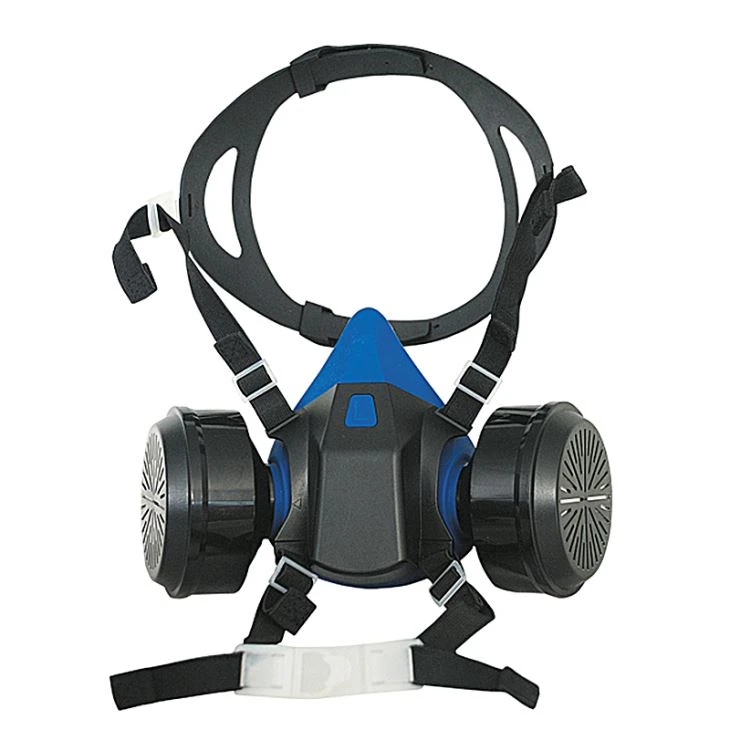
However, it's important to note that even the best non - woven masks have their limitations. Woodworking also generates other hazards besides dust. For instance, if you're using chemicals like wood stains, paints, or adhesives, these can release harmful fumes. Non - woven masks are generally not designed to protect against chemical vapors and gases. In such cases, you may need a more specialized respirator, like a Half face mask or a Filter half mask. These masks often come with replaceable filters that can remove both dust and certain chemicals from the air you breathe.
Another factor to consider is the fit of the mask. A mask that doesn't fit properly won't provide effective protection. Non - woven masks usually come in different sizes, and it's important to choose the right size for your face. A loose - fitting mask can allow dust to leak in around the edges, reducing its effectiveness. You should also make sure the mask is worn correctly, covering your nose and mouth completely.
Comfort is also an important aspect. Woodworking can be a physically demanding job, and you'll likely be wearing the mask for long periods. If the mask is uncomfortable, you may be tempted to take it off, which defeats the purpose of wearing it in the first place. Look for non - woven masks that are comfortable to wear, with features like adjustable straps and a soft inner lining.
Now, let's talk about some of the benefits of using non - woven masks in woodworking. As I mentioned earlier, they're lightweight and breathable. This means you can move around freely and won't feel too restricted while working. They're also disposable, which is convenient. Once the mask gets dirty or loses its effectiveness, you can simply throw it away and replace it with a new one.
In addition, non - woven masks are cost - effective. Compared to some other types of respirators, they're relatively inexpensive. This is especially important if you're a small - scale woodworker or on a tight budget. You can afford to stock up on a supply of non - woven masks without breaking the bank.
If you're working in a low - dust woodworking environment, like doing some light sanding or assembling small wooden pieces, a good quality non - woven mask may be sufficient. But if you're doing heavy sanding, using power tools that generate a lot of dust, or working with chemicals, you should consider using a more specialized respirator, such as the HALF GAS MASK industrial agriculture.
In conclusion, non - woven masks can be used for woodworking to some extent, but it's important to choose the right type of mask and understand its limitations. If you're unsure which mask is best for your woodworking needs, it's a good idea to consult with a safety professional or do some research on the specific requirements of your work environment.
As a non - woven mask supplier, I'm here to help you find the right respiratory protection for your woodworking projects. Whether you need basic non - woven masks for light work or more advanced masks for heavy - duty woodworking, I can provide you with high - quality products at competitive prices. If you're interested in learning more or making a purchase, feel free to reach out and start a conversation. We can discuss your specific needs and find the perfect solution for you.

References
- Occupational Safety and Health Administration (OSHA). Respiratory Protection Standards.
- American Conference of Governmental Industrial Hygienists (ACGIH). Threshold Limit Values for Chemical Substances and Physical Agents and Biological Exposure Indices.


