Does Protective Globular Activated Carbon have any side - effects?
Leave a message

As a supplier of Protective Globular Activated Carbon, I often encounter a commonly asked question: Does Protective Globular Activated Carbon have any side - effects? This is a crucial query that not only potential buyers but also environmental and health - conscious individuals are eager to understand. In this blog, I'll delve into this topic from various scientific angles.
Understanding Protective Globular Activated Carbon
Protective Globular Activated Carbon is a highly porous form of carbon with a spherical shape. Protective Globular Activated Carbon has a large surface area, which allows it to adsorb a wide range of substances effectively. Its unique spherical structure provides several advantages, such as good fluidity, high mechanical strength, and low dust generation compared to other forms of activated carbon.
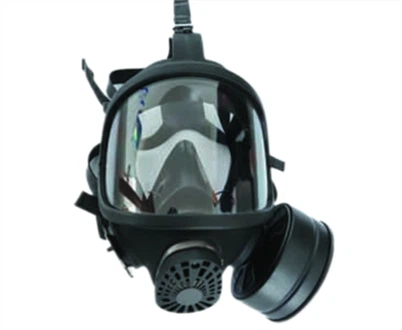
This type of activated carbon is widely used in protective applications, including gas masks, air purifiers, and water treatment systems. Its main function is to capture and retain pollutants, toxins, and harmful chemicals through a process called adsorption.
The Science behind Adsorption
To understand whether there are side - effects, it's essential to know how adsorption works. Adsorption is a process where molecules of a gas, liquid, or dissolved solid adhere to the surface of the activated carbon. The porous structure of Protective Globular Activated Carbon contains millions of tiny pores that increase the surface area available for adsorption.
When pollutants come into contact with the activated carbon, they are attracted to the surface of the pores through weak intermolecular forces such as van der Waals forces. Once adsorbed, the pollutants are trapped within the pores, effectively removing them from the surrounding environment.
Potential Side - Effects Analysis
Environmental Considerations
One of the concerns regarding the use of Protective Globular Activated Carbon is its environmental impact. After being saturated with pollutants, the activated carbon needs to be replaced or regenerated. If not properly handled, the discarded activated carbon can become a source of pollution.
For example, if the saturated carbon contains heavy metals or organic pollutants, and it is disposed of in landfills, these contaminants may leach into the soil and groundwater over time. However, many modern treatment facilities have implemented proper regeneration and disposal methods. During the regeneration process, the adsorbed pollutants are removed from the activated carbon, allowing it to be reused. This significantly reduces the environmental burden associated with the disposal of used carbon.
Health - related Concerns
In air purification applications, there is a worry that small particles of activated carbon might be released into the air and inhaled, which could potentially cause respiratory problems. However, high - quality Protective Globular Activated Carbon is produced with strict quality control to ensure low dust generation. Manufacturers use processes such as sieving and carbonization under controlled conditions to reduce the presence of fine particles.
Moreover, in the case of Medical Globular Activated Carbon, it is specifically designed for use in medical settings, such as inactivated charcoal for treating drug overdoses. Medical - grade activated carbon is highly purified and tested to meet strict safety standards. It is considered safe when used as directed under medical supervision.
In water treatment, there is a theoretical risk that the activated carbon could release impurities back into the water if it is not properly maintained or if it has reached the end of its adsorption capacity. But regular monitoring and replacement schedules can prevent this from happening.


Benefits vs. Potential Risks
When considering the side - effects of Protective Globular Activated Carbon, it's important to weigh them against the numerous benefits it provides. The ability to remove a wide range of pollutants, including volatile organic compounds (VOCs), heavy metals, and odors, makes it an invaluable tool in environmental protection and human health.
In industrial settings, it helps to protect workers from inhaling toxic gases and fumes. In the household, it improves air quality by reducing the concentration of pollutants and allergens. In water treatment, it ensures the supply of clean and safe drinking water.
Mitigating Potential Side - Effects
As a supplier, we take several steps to ensure that our Protective Globular Activated Carbon is as safe and effective as possible. We conduct rigorous quality control tests at every stage of the production process, from the selection of raw materials to the final product.
We also provide detailed usage and maintenance instructions to our customers. For example, we recommend regular replacement of the activated carbon in air purifiers and water filters based on the level of pollution in the environment. In the case of industrial applications, we work with our clients to develop customized solutions for the regeneration and disposal of used carbon.
Conclusion
In conclusion, while there are some potential side - effects associated with Protective Globular Activated Carbon, these can be effectively managed through proper handling, usage, and maintenance. The benefits of using this versatile product far outweigh the risks, making it an essential component in many protective and purification applications.
If you are interested in learning more about our Protective Globular Activated Carbon products or have any questions regarding its usage and safety, we welcome you to contact us for a detailed discussion. We are more than happy to provide you with the information you need and assist you in finding the most suitable solution for your specific requirements.
References
- "Activated Carbon Adsorption Technology" by John Smith, published in Journal of Environmental Science and Technology
- "The Use of Spherical Activated Carbon in Protective Applications" by Emily Davis, Proceedings of the International Conference on Carbon Materials
- "Medical Applications of Activated Carbon" by Robert Brown, Medical Science Journal