

How often should a gas mask be inspected?
Leave a message

As a seasoned supplier in the gas mask industry, I've witnessed firsthand the critical importance of regular gas mask inspections. Gas masks are not just pieces of equipment; they are life - saving tools designed to protect individuals from harmful gases, chemicals, and biological agents. In this blog, I'll delve into how often a gas mask should be inspected, the reasons behind these inspection intervals, and the key aspects to focus on during each inspection.

Factors Influencing Inspection Frequency
Several factors play a significant role in determining how often a gas mask should be inspected. These include the frequency of use, the environment in which the mask is stored and used, and the type of gas mask itself.
Frequency of Use
If a gas mask is used regularly, for example, in industrial settings where workers are exposed to potentially hazardous substances daily, it should be inspected more frequently. A mask that sees daily use might need to be inspected before each use and then undergo a more comprehensive monthly inspection. On the other hand, a gas mask that is used only occasionally, such as in emergency response situations that rarely occur, can have a less frequent inspection schedule. However, it should still be inspected at least every three to six months to ensure it remains in proper working condition.
Storage and Usage Environment
The environment in which the gas mask is stored and used has a profound impact on its integrity. If a gas mask is stored in a hot, humid environment, it may be more prone to mold growth, rubber degradation, and corrosion of metal parts. In such conditions, monthly inspections are advisable. Similarly, if the mask is used in harsh industrial environments with high levels of dust, chemicals, or extreme temperatures, more frequent inspections are necessary. For instance, in a chemical manufacturing plant where the mask is exposed to corrosive substances, inspections might be required weekly or even more often.
Type of Gas Mask
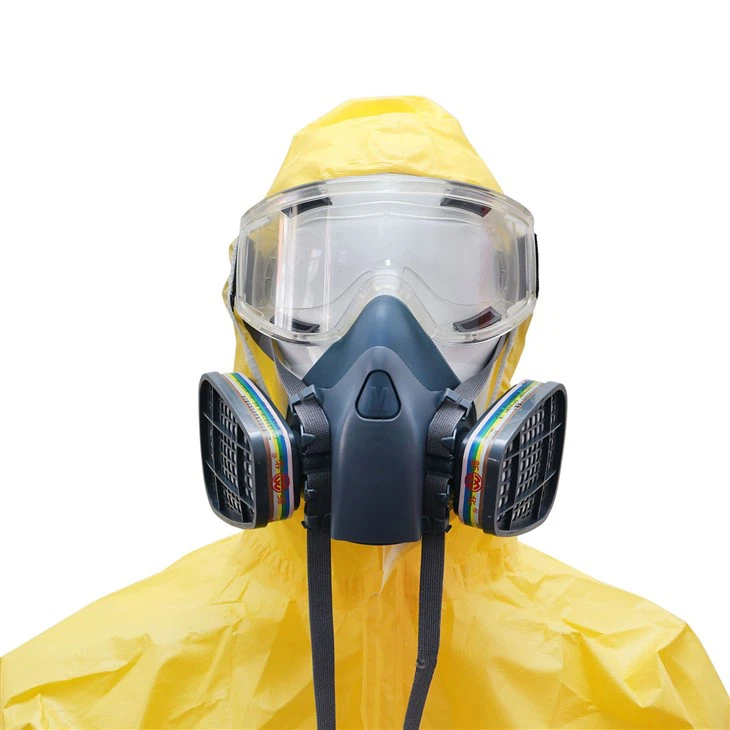
Different types of gas masks have different inspection requirements. For example, a Gas Mask With Binocular Window has additional components like the binocular window, which may require special attention. The seal around the window, the clarity of the lenses, and the functionality of any attached mechanisms need to be checked regularly. A full - face Full Mask that covers the entire face has a larger surface area and more components compared to a half - face mask. This means it may need more thorough inspections, perhaps on a monthly basis. A Liquid Silicone Rubber Half Face Mask is made of a different material, and its rubber parts need to be inspected for signs of cracking, hardening, or softening. Depending on usage, these masks should be inspected every one to three months.
Recommended Inspection Schedules
Based on the above factors, here are some general recommended inspection schedules for different scenarios:
Occasional Use and Ideal Storage Conditions
If a gas mask is used only occasionally and stored in a cool, dry place, it should be inspected at least every six months. This inspection should include a visual check of the mask body, straps, filters, and any other components. The mask should also be tested for proper fit and seal.
Regular Use in Normal Environments
For gas masks that are used regularly in normal industrial or work environments, a pre - use inspection is essential. Before each use, the user should check for any visible damage, ensure the filters are properly attached, and test the seal. A more comprehensive monthly inspection should also be carried out. This includes checking the integrity of the rubber parts, the functionality of valves, and the expiration date of the filters.
Frequent Use in Harsh Environments
In harsh environments where the gas mask is exposed to extreme conditions, daily pre - use inspections are a must. Workers should look for signs of damage caused by chemicals, dust, or physical impact. Weekly or bi - weekly comprehensive inspections should be conducted to check all components in detail. This may involve disassembling parts of the mask for a more thorough examination.
Key Aspects of Gas Mask Inspection
During each inspection, several key aspects of the gas mask should be carefully examined:
Mask Body
The mask body is the main structure that provides protection. Check for any cracks, holes, or signs of wear and tear. Pay special attention to areas around the edges where the mask seals against the face. Any damage to the mask body can compromise the seal and allow harmful substances to enter.
Straps and Buckles
The straps and buckles are responsible for holding the mask in place. Inspect them for fraying, stretching, or damage. Ensure that the buckles are functioning properly and can be easily adjusted. Loose or damaged straps can prevent the mask from fitting correctly, reducing its effectiveness.
Filters
Filters are the heart of a gas mask. Check the expiration date of the filters and replace them if they have expired. Inspect the filters for any signs of damage, such as cracks or blockages. A damaged filter may not be able to effectively remove harmful substances from the air.
Valves
Valves are crucial for proper airflow in and out of the mask. Check that the inhalation and exhalation valves are working correctly. They should open and close smoothly without any obstruction. A malfunctioning valve can make breathing difficult and may also allow contaminants to enter the mask.
Seal
The seal between the mask and the face is what prevents harmful substances from entering. To test the seal, cover the filters with your hands and inhale gently. The mask should collapse slightly and hold its shape. If air leaks in around the edges, the mask may not be fitting properly, and adjustments or replacement may be necessary.
The Consequences of Neglecting Inspections
Neglecting to inspect a gas mask regularly can have serious consequences. A damaged or malfunctioning gas mask may not provide adequate protection in a hazardous situation. Workers may be exposed to harmful gases, chemicals, or biological agents, leading to health problems such as respiratory issues, skin irritation, or even long - term diseases. In industrial settings, this can also result in lost productivity, increased healthcare costs, and potential legal liabilities for employers.
Conclusion
In conclusion, regular inspections of gas masks are essential to ensure their reliability and effectiveness. The frequency of inspections depends on factors such as usage, environment, and the type of mask. By following the recommended inspection schedules and thoroughly examining all components, users can be confident that their gas masks will provide the protection they need when it matters most.
If you're in the market for high - quality gas masks or need more information on gas mask maintenance and inspection, we're here to help. Our team of experts can provide you with the best products and advice tailored to your specific needs. Contact us to start a procurement discussion and ensure the safety of your workforce.
References
- Occupational Safety and Health Administration (OSHA). Guidelines for Respiratory Protection.
- National Institute for Occupational Safety and Health (NIOSH). Standards for Gas Masks and Respiratory Equipment.
- International Safety Equipment Association (ISEA). Best Practices for Gas Mask Inspection and Maintenance.


