

How often should Nut Shell Based Activated Carbon be replaced in a swimming pool?
Leave a message

Hey there, pool owners and enthusiasts! As a supplier of Nut Shell Based Activated Carbon, I often get asked this question: How often should Nut Shell Based Activated Carbon be replaced in a swimming pool? Well, it's not a one - size - fits - all answer, and there are several factors we need to consider.
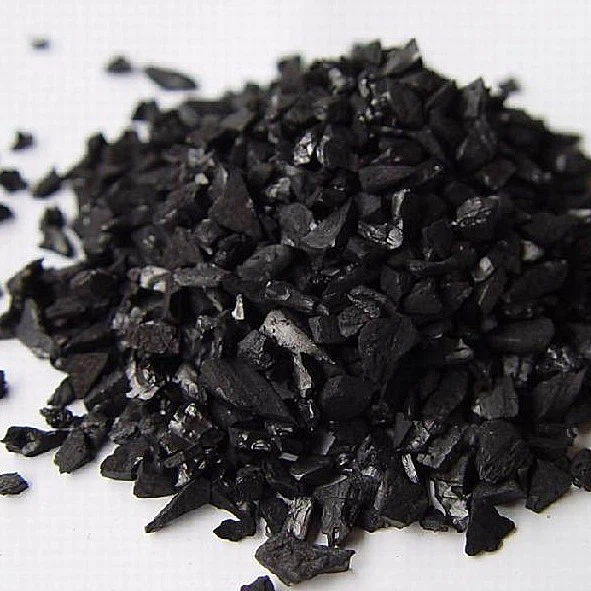
First off, let's quickly talk about why Nut Shell Based Activated Carbon is so good for swimming pools. It has excellent adsorption properties. That means it can grab onto all the yucky stuff in the pool water, like chloramines (which cause that strong chlorine smell), organic contaminants, and even some metals. It can effectively improve the water quality, making the swimming experience much more pleasant.
Factors Affecting Replacement Frequency
1. Pool Usage
The frequency of pool usage is a huge factor. If you have a pool that's used daily by a large number of people, like in a hotel or a public swimming complex, the carbon will get saturated much faster. Every time someone jumps into the pool, they bring in sweat, body oils, sunscreen, and other contaminants. The more people using the pool, the more there is for the carbon to adsorb.
On the flip side, if it's a private pool that's only used on weekends by a small family, the carbon doesn't have to work as hard. So, for a high - usage pool, you might need to replace the Nut Shell Based Activated Carbon every 1 - 2 months, while for a low - usage pool, it could last 3 - 4 months.

2. Surrounding Environment
The environment around the pool also matters. If your pool is located in an area with a lot of trees, pollen, and dust, it'll be exposed to more organic debris. This debris gets into the water and needs to be filtered out by the carbon. Similarly, if the pool is near a busy road or an industrial area, there might be more pollutants in the air that end up in the water.
In a dirty or debris - filled environment, you should check the carbon more frequently, maybe every 6 - 8 weeks. And if it seems to be losing its effectiveness, go ahead and replace it. In a cleaner environment, you can stretch the replacement interval to 3 - 4 months.
3. Water Chemistry
The chemical balance of the pool water can impact the lifespan of the activated carbon. For example, if the pH of the water is too high or too low, it can affect the adsorption capacity of the carbon. Also, if the water has a high concentration of certain chemicals, such as high - level sanitizers or oxidizers, it might cause the carbon to break down faster.
You should regularly test the pool water chemistry and try to keep it within the recommended range. A well - balanced water chemistry can help the Nut Shell Based Activated Carbon work more efficiently and last longer. If the water chemistry is off, you may need to replace the carbon more often.
4. Type of Nut Shell Based Activated Carbon
There are different types of Nut Shell Based Activated Carbon, and each has its own properties that can affect replacement frequency.
- Nut Shell Activated Carbon ZnCL: This type of carbon Nut Shell Activated Carbon ZnCL is produced using the ZnCL method. It has a high surface area and good adsorption capacity for a wide range of contaminants. However, depending on the specific conditions in your pool, it may need to be replaced every 2 - 4 months.
- H₃PO₄ method Nut Shell Activated Carbon: Produced with the H₃PO₄ method, H₃PO₄ method Nut Shell Activated Carbon is known for its strong adsorption for certain organic compounds. Its replacement period can range from 2.5 - 4.5 months, depending on the factors we've discussed earlier.
- Steam Shell Activated Carbon: Steam Shell Activated Carbon is made through a steam activation process. It's great for removing odors and some fine - particulate contaminants. In a normal pool environment, it might last 3 - 5 months.
Signs That It's Time to Replace
1. Decrease in Water Clarity
One of the most obvious signs is when the water starts to look cloudy. If your pool water was crystal - clear before but now has a hazy appearance, it could mean that the activated carbon is no longer doing its job effectively.
2. Return of Bad Odors
Remember how we mentioned that the carbon gets rid of the chloramine smell? If you start to notice that strong, unpleasant chlorine odor again, the carbon might be saturated and need to be replaced.
3. Poor Filtration
If you notice that your pool filter is getting clogged more often than usual, it could be because the carbon isn't removing as many contaminants as it should. The contaminants are then passing through to the filter, causing it to clog up faster.
How to Determine the Right Time
You can't just set a strict schedule and forget about it. Regular testing is key. You can use simple test kits to check the water quality. Look at parameters like clarity, odor, and the presence of certain contaminants.
Also, keep an eye on the pool filter pressure. A sudden increase in pressure can indicate that the filter is working harder due to poor carbon performance.
If possible, take a sample of the activated carbon and have it tested periodically. There are labs that can analyze the carbon to see how much of its adsorption capacity has been used up.
Conclusion
So, there you have it! How often you should replace Nut Shell Based Activated Carbon in a swimming pool depends on pool usage, surrounding environment, water chemistry, and the type of carbon you're using. By keeping an eye on the signs and regularly testing the water and carbon, you can ensure that your pool always has clean, clear, and odor - free water.
If you're looking for high - quality Nut Shell Based Activated Carbon for your pool, or you have more questions about it, don't hesitate to reach out. We're here to help you figure out the best solution for your pool. Whether you own a small private pool or a large public facility, we can provide the right carbon product and expert advice.
References
- "Pool Water Chemistry Handbook"
- Industry - standard swimming pool maintenance guidelines.


