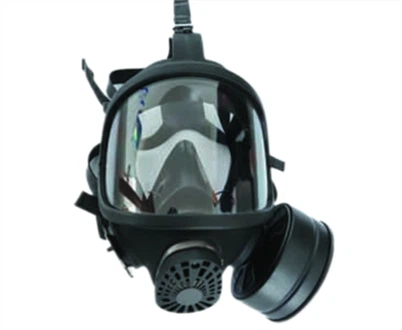
How to remove stubborn stains from the MF27 type Gas Mask?
Leave a message

As a trusted supplier of the MF27 type Gas Mask, I understand the importance of maintaining the functionality and appearance of this essential safety equipment. Over time, gas masks can accumulate stubborn stains, which not only affect their aesthetic appeal but may also potentially compromise their performance. In this blog post, I will share some effective methods on how to remove stubborn stains from the MF27 type Gas Mask.
Understanding the MF27 Type Gas Mask
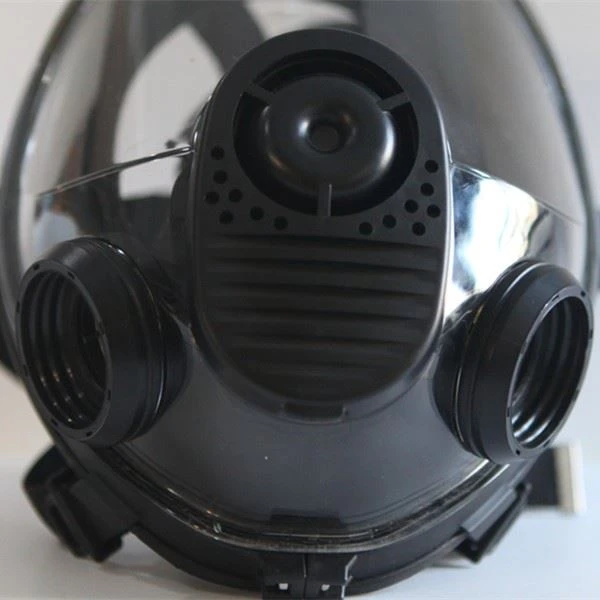
The MF27 type Gas Mask is designed to provide reliable protection in various hazardous environments. It is constructed with high - quality materials to ensure durability and effectiveness. However, due to its exposure to different chemicals, dust, and other contaminants, stains can form on its surface, including the mask body, straps, and lenses.
Identifying the Stain Types
Before attempting to remove the stains, it is crucial to identify the type of stain. Different stains require different cleaning methods. Here are some common stain types and their possible causes:
- Dirt and Dust Stains: These are the most common stains and are usually caused by the mask's exposure to dusty environments. They can accumulate on the outer surface of the mask and may also penetrate into the crevices.
- Chemical Stains: If the mask has been used in an environment with chemicals, it may develop chemical stains. These stains can be more difficult to remove and may require specific cleaning agents.
- Oil and Grease Stains: In industrial settings, the mask may come into contact with oil and grease, resulting in stubborn stains that can be resistant to regular cleaning.
Cleaning Methods for Different Stains
Dirt and Dust Stains
- Step 1: Pre - cleaning Inspection
- Before starting the cleaning process, carefully inspect the mask for any visible damage. Check the straps, valves, and seals to ensure they are in good condition.
- Step 2: Dry Brushing
- Use a soft - bristled brush to gently remove loose dirt and dust from the surface of the mask. This can prevent the dirt from scratching the mask during the wet cleaning process.
- Step 3: Mild Soap Solution
- Prepare a mild soap solution by mixing a small amount of gentle liquid soap with warm water. Dip a soft cloth or sponge into the solution and wring it out until it is damp.
- Step 4: Wiping
- Gently wipe the surface of the mask with the damp cloth or sponge. Pay special attention to the areas with stains. Avoid using excessive force, as this may damage the mask.
- Step 5: Rinsing
- Rinse the mask thoroughly with clean water to remove any soap residue. Make sure all the soap is washed away, as soap residue can attract more dirt.
- Step 6: Drying
- Allow the mask to air - dry in a well - ventilated area. Do not use a heater or direct sunlight to dry the mask, as this may cause the materials to warp or degrade.
Chemical Stains
- Step 1: Safety First
- When dealing with chemical stains, it is essential to wear appropriate personal protective equipment, such as gloves and goggles.
- Step 2: Identify the Chemical
- If possible, try to identify the type of chemical that caused the stain. This will help you choose the appropriate cleaning agent.
- Step 3: Specific Cleaning Agents
- For some common chemical stains, such as acid or alkali stains, you can use a neutralizing agent. For example, if it is an acid stain, a weak alkaline solution (such as baking soda dissolved in water) can be used for neutralization. If it is an alkali stain, a weak acid solution (such as vinegar diluted with water) may be effective.
- For more stubborn chemical stains, you may need to use specialized cleaning agents. However, make sure to test the cleaning agent on a small, inconspicuous area of the mask first to ensure it does not cause any damage.
- Step 4: Application and Soaking
- Apply the cleaning agent to the stained area and let it soak for a few minutes. Follow the instructions on the cleaning agent carefully.
- Step 5: Scrubbing (if necessary)
- If the stain is still present after soaking, you can use a soft - bristled brush to gently scrub the area. But be very careful not to damage the mask.
- Step 6: Rinse and Dry
- Rinse the mask thoroughly with clean water to remove the cleaning agent and any remaining stain particles. Then, let the mask air - dry.
Oil and Grease Stains
- Step 1: Degreasing Agent
- Choose a suitable degreasing agent. You can use a commercial degreaser or a natural alternative, such as lemon juice or dish soap with strong degreasing properties.
- Step 2: Application
- Apply the degreasing agent directly to the oil and grease stains. Let it sit for a few minutes to break down the grease.
- Step 3: Scrubbing
- Use a soft - bristled brush or a cloth to gently scrub the stained area. Work the degreasing agent into the stain to lift it off the surface.
- Step 4: Rinse and Repeat
- Rinse the mask with clean water. If the stain is still visible, repeat the process until the stain is removed.
- Step 5: Final Rinse and Drying
- After the stain is removed, give the mask a final rinse to ensure all the degreasing agent is removed. Then, let it air - dry.
Special Considerations for Lenses
The lenses of the MF27 type Gas Mask are crucial for clear vision. When cleaning the lenses, follow these additional steps:
- Use a Lens - Safe Cleaner: Avoid using abrasive cleaners or rough materials on the lenses, as they can scratch the surface. Instead, use a cleaner specifically designed for mask lenses or a mild soap solution.
- Gently Wipe: Use a soft, lint - free cloth to gently wipe the lenses in a circular motion. Do not apply too much pressure.
- Anti - Fog Treatment: If the lenses have an anti - fog coating, make sure to use a cleaner that is compatible with the coating. Some anti - fog treatments may need to be reapplied after cleaning.
Maintenance Tips to Prevent Stains
- Regular Cleaning: Even if there are no visible stains, it is recommended to clean the MF27 type Gas Mask regularly. This can prevent the accumulation of dirt and stains over time.
- Proper Storage: Store the mask in a clean, dry, and cool place. Avoid storing it in direct sunlight or in an environment with high humidity, as this can cause damage and promote the growth of mold and mildew.
- Protective Covers: Consider using protective covers for the mask when it is not in use. This can reduce the exposure to dust and other contaminants.
Other Related Products
If you are interested in other types of gas masks, we also offer a wide range of products, such as the Chemical Mask, the P - A - 1 Industry Full Mask, and the Positive pressure air respirator. These products are designed to meet different safety requirements and provide reliable protection in various scenarios.
Contact for Purchase and Consultation
If you have any questions about the MF27 type Gas Mask, its cleaning, or if you are interested in purchasing our products, please feel free to contact us. We are committed to providing high - quality products and excellent customer service. Our team of experts is ready to assist you with any inquiries and help you find the most suitable safety equipment for your needs.

References
- "Gas Mask Maintenance and Cleaning Guide", Safety Equipment Handbook, 2022
- "Chemical Resistance of Gas Mask Materials", Journal of Industrial Safety, 2021