

What materials are gas masks made of?
Leave a message

Gas masks are essential pieces of personal protective equipment (PPE) designed to protect the wearer from inhaling harmful gases, vapors, and particulate matter. As a leading gas mask supplier, we understand the importance of using high-quality materials to ensure the effectiveness and reliability of our products. In this blog post, we will explore the various materials used in the manufacturing of gas masks and their specific functions.
Outer Shell Materials
The outer shell of a gas mask serves as the first line of defense, protecting the internal components from physical damage, chemicals, and environmental factors. It needs to be durable, resistant to abrasion, and able to maintain its integrity under various conditions.
Rubber
Rubber is a commonly used material for the outer shell of gas masks due to its flexibility, elasticity, and chemical resistance. Natural rubber, derived from latex, offers excellent comfort and a tight seal against the face. Synthetic rubbers, such as neoprene and nitrile, are also popular choices. Neoprene is known for its resistance to oils, solvents, and ozone, making it suitable for use in industrial and military applications. Nitrile rubber, on the other hand, provides good resistance to chemicals and punctures, making it a reliable option for protecting against a wide range of hazards.
Silicone
Silicone is another material used in the construction of gas mask outer shells. It is known for its high-temperature resistance, flexibility, and biocompatibility. Silicone masks are often preferred in medical and laboratory settings due to their hypoallergenic properties and ease of cleaning. They also offer a good seal and can conform to the shape of the face, providing a comfortable fit for extended periods of use.
Filter Materials
The filters in a gas mask are responsible for removing harmful contaminants from the air before it is inhaled. Different types of filters are used depending on the specific hazards present.
Activated Carbon
Activated carbon is a key component in many gas mask filters. It is a highly porous material with a large surface area, which allows it to adsorb a wide range of gases and vapors. The activation process creates millions of tiny pores in the carbon, increasing its surface area and enhancing its adsorption capacity. Activated carbon filters are effective against organic vapors, such as solvents, pesticides, and volatile organic compounds (VOCs). They work by attracting and holding the gas molecules on the surface of the carbon through a process called adsorption.
Particulate Filters
Particulate filters are used to remove solid and liquid particles from the air, such as dust, pollen, and biological agents. These filters are typically made of fibrous materials, such as glass fiber or synthetic polymers. The fibers create a maze-like structure that traps the particles as the air passes through. Particulate filters are rated according to their efficiency in removing particles of different sizes. For example, N95 filters are designed to remove at least 95% of airborne particles that are 0.3 microns in diameter or larger.
Chemical Filters
Chemical filters are used to protect against specific chemical agents, such as ammonia, chlorine, and hydrogen sulfide. These filters contain specialized adsorbents or reactive materials that can neutralize or remove the harmful chemicals from the air. For example, filters containing impregnated activated carbon can react with certain chemicals to convert them into less harmful substances.
Straps and Fasteners
The straps and fasteners on a gas mask are used to secure the mask to the face and ensure a proper fit. They need to be adjustable, comfortable, and strong enough to hold the mask in place during movement.
Elastic Straps
Elastic straps are commonly used in gas masks to provide a secure and comfortable fit. They are typically made of rubber or synthetic elastomers and can be adjusted to fit different head sizes. Elastic straps are easy to use and can be quickly adjusted to ensure a tight seal around the face.
Buckles and Clasps
Buckles and clasps are used to fasten the straps and adjust the tension of the mask. They are usually made of plastic or metal and need to be durable and easy to operate. Some gas masks use quick-release buckles or clasps, which allow the mask to be removed quickly in an emergency.
Viewing Windows
The viewing window in a gas mask allows the wearer to see clearly while wearing the mask. It needs to be made of a material that is transparent, scratch-resistant, and impact-resistant.
Polycarbonate
Polycarbonate is a popular material for gas mask viewing windows due to its high impact resistance and optical clarity. It is a lightweight and durable plastic that can withstand a significant amount of force without shattering. Polycarbonate windows are also resistant to chemicals and UV radiation, making them suitable for use in a variety of environments.

Acrylic
Acrylic is another material used in gas mask viewing windows. It is a clear, lightweight plastic that offers good optical clarity and scratch resistance. Acrylic windows are less expensive than polycarbonate windows but may be more prone to cracking under high impact.
Our Gas Mask Products
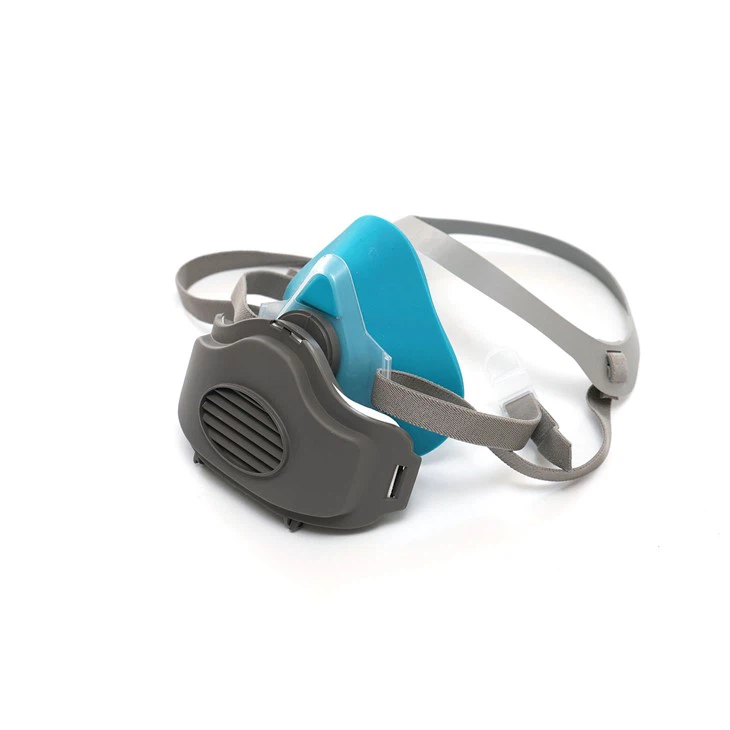
As a gas mask supplier, we offer a wide range of products to meet the needs of different customers. Our Half facial mask double filter is a popular choice for protecting against a variety of hazards. It features a double filter system that provides enhanced protection against both gases and particulates. The mask is made of high-quality rubber and has adjustable straps for a comfortable fit.
Our Dust Mask is designed to protect against dust and other particulate matter. It is made of a soft, breathable material and has a particulate filter that meets industry standards. The mask is lightweight and comfortable to wear, making it suitable for use in a variety of work environments.
For those who need protection against specific chemical agents, our ABEKP Half Mask is an excellent option. It features a chemical filter that is effective against a wide range of gases and vapors, including organic solvents, ammonia, and chlorine. The mask is made of silicone and has a comfortable, adjustable strap system.
Contact Us for Procurement
If you are interested in purchasing gas masks for your organization or personal use, we encourage you to contact us for more information. Our team of experts can help you choose the right products for your specific needs and provide you with competitive pricing and excellent customer service. Whether you are a business looking to protect your employees or an individual seeking personal protection, we have the solutions you need.
References
- "Gas Masks: A Comprehensive Guide to Selection, Use, and Maintenance." Occupational Safety and Health Administration (OSHA).
- "Personal Protective Equipment for Respiratory Protection." National Institute for Occupational Safety and Health (NIOSH).
- "The Chemistry of Activated Carbon." Journal of Chemical Education.


