Activated carbon in gas masks
Leave a message
Activated carbon is a highly porous material that is commonly used in gas masks to filter out harmful gases, chemicals, and particles. The material is made by heating carbon-rich materials like coconut shells, sawdust, or coal at high temperatures to create a superabsorbent substance with a large surface area.
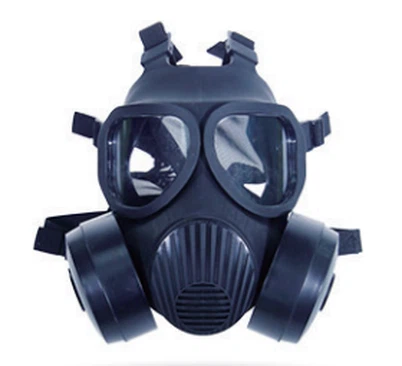
The application of activated carbon in gas masks is as part of the filtration system. Activated carbon has high efficiency adsorption capacity, can be harmful gases and chemicals in the air adsorption and adsorption on their own surface. The activated carbon in a gas mask usually comes in a granular form and forms a filter with other filtering materials. When the outside gas through the filter, activated carbon will absorb harmful gases, filter out other impurities, so as to ensure that people breathe clean, healthy, safe air. Activated carbon is an important part of gas mask, which can effectively prevent all kinds of dangerous gases from harming people and protect people's life and health.The active sites on the surface of the carbon attract and trap molecules, effectively removing them from the air before they can be breathed in. Activated carbon is effective at removing a wide range of toxic substances, including gases like carbon monoxide, hydrogen sulfide, and chlorine, as well as volatile organic compounds (VOCs) and particulates.
The use of activated carbon in gas masks has been proven effective in protecting military personnel, first responders, and workers in industries like mining and construction from the harmful effects of exposure to toxic substances. However, it's important to note that activated carbon needs to be replaced periodically as it becomes saturated with contaminants. The frequency of replacement depends on the level of exposure to toxic substances and the quality of the filter.
Overall, the use of activated carbon in gas masks is an important aspect of protecting people from hazardous materials in a variety of settings. Its ability to filter out harmful contaminants makes it an essential part of any respiratory protective equipment, helping to keep people safe in dangerous environments.