Application of Activated Carbon in Purifying Bath
Leave a message
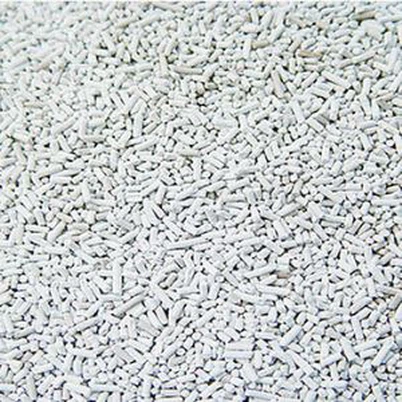
Activated carbon is a porous structure material, which is obtained by impregnating raw materials with chloride and acid, carbonizing at low temperature, and then calcining for activation or by activating pure carbon at high temperature in a gas medium. The powder surface area of activated carbon is as high as 500-1500m2, and it has excellent adsorption performance. In the purification of various electroplating solutions, its main function is to remove grease, organic impurities and decomposition products of various additives. use
Activated carbon purification bath should pay attention to the following points:
1. Choose a suitable activated carbon product. There are two types of activated carbons on the market: granular and powdered. It is more convenient to use granular activated carbon for filtration, but the treatment effect is far less than that of powdered activated carbon. The reason is that the specific surface area of powdered activated carbon is much larger than that of granular activated carbon. Choose according to the degree of contamination of the plating solution.
2. The activated carbon should not contain impurity ions that are harmful to the plating solution. At present, the raw materials for the manufacture of activated carbon are mainly wood, coal and husks of hard-shelled nuts (such as coconuts). Practice has proved that in the purification of plating solution, activated carbon made from hard nut shells is superior to activated carbon products made from coal. Inferior activated carbon often contains more impurities such as zinc and should not be used. If activated carbon containing zinc impurities is used in the purification of nickel plating solution, it will cause worse pollution results (such cases are not uncommon).
3. The dosage should be sufficient. For plating solutions with different levels of organic impurity contamination, an appropriate amount of input should be used, generally 2 to 5 g/L. If the amount is insufficient, the treatment effect will be poor. The amount of activated carbon can also be determined by a small test cell or a Hull cell.
4. The θ and pH of the bath to be treated should be appropriate. Most of the baths have better treatment effect when the θ is 55~70℃ and the pH is 5~6. Theta and pH should remain stable throughout the treatment.
5. Stir well and evenly. It is advisable to use circulating filtration and compressed air for intermittent strong stirring. If manual stirring is used, it should be continuously carried out in various places in the plating tank, and no dead ends should be left. t Stirring should generally be in 2 ~ 4h.
6. Rest time. After the adsorption process is completed, the plating solution should be allowed to stand for a period of time before filtration, and the t still is 6 to 12 hours; after sufficient precipitation, filter 2 to 3 times until there is no residual carbon powder in the plating solution, and the plating solution is in the body color (no charcoal black).
7. Prevent desorption. The electroplating process of activated carbon continuous circulation filtration is adopted. When the activated carbon adsorption is saturated, the activated carbon in the filter element should be cleaned and replaced in time to prevent desorption and impurities from re-contaminating the plating solution.