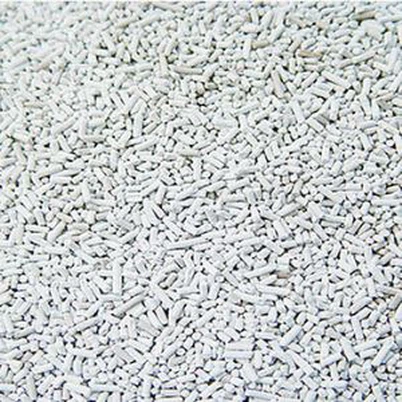
Characteristics and properties of different activated carbons
Leave a message
Activated carbon is an adsorption material with good adsorption capacity and regularity. The main differences between different activated carbons lie in their raw materials, preparation methods, and adsorption properties.
1. Different raw materials: The raw materials of different activated carbons are usually wood, coal, asphalt, coconut shell, chaff, fruit shell, etc. There are differences in the physical and chemical properties of activated carbon prepared from different raw materials.
2. Different preparation methods: There are different methods for preparing different activated carbons, including physical methods, chemical methods and physicochemical methods. Different preparation methods can affect the pore structure and surface properties of activated carbons.
3. Different pore structures: Different activated carbons have different pore structure sizes, shapes, and pore distribution densities, including micropores, mesopores, and macropores. Different pore structures have an important influence on the adsorption performance of activated carbon.
4. Different adsorption properties: Different activated carbons have different adsorption properties for different substances. For example, some activated carbons have a better adsorption capacity for organic substances in the gas phase, while others have a better adsorption effect for heavy metal ions in aqueous solution.
Overall, different activated carbons perform differently and have different applications. In the application, it is necessary to select the appropriate activated carbon according to the specific needs.
Activated carbon is a highly porous adsorption material. According to the source, treatment method and application of activated carbon, its characteristics and properties are also different, mainly including the following points:
1. High porosity: The porosity of activated carbon is generally very high, which can reach more than 1000m³/g. This highly porous structure is one of the main reasons for its good adsorption performance.
2. Strong adsorption: Activated carbon has a very large surface and different pore sizes, so it can adsorb various organic substances, gases and impurities in dissolved liquids. This strong adsorption is also an important reason why activated carbon is widely used.
3. Good chemical stability: Activated carbon has good chemical stability, generally not easy to decompose, insoluble in water and many organic solvents, and will not degrade due to moisture or broken, and can be applied under different environmental conditions.
4. Economical: Activated carbon is a low-cost, readily available material and thus one of the materials of choice in many industrial applications.
5. Characteristics of different sources: Due to the different sources of activated carbon, its physical and chemical properties are also different. For example, wood-based activated carbon has a small surface area and large pore size, and is suitable for decolorization, deodorization, and pure water treatment; while coal-based activated carbon has a high surface area and porosity, and is suitable for gas adsorption, catalyst carriers, etc. Fields; mixed activated carbons are made of Prepared by mixing various raw materials, it has the advantages of wide adsorption range and good treatment effect, and is widely used in water treatment, waste gas treatment, domestic sewage treatment and other fields.
Generally speaking, activated carbon has various properties such as adsorption, separation, and purification. Its properties and characteristics vary due to factors such as source, processing technology, pore size distribution, etc., so it is necessary to choose the appropriate activated carbon according to specific needs.