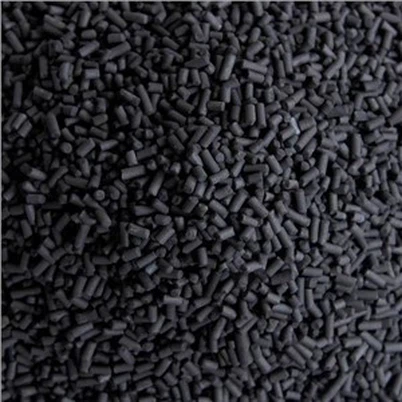
Raw material of activated carbon
Leave a message
Activated carbon, also known as activated charcoal, is a highly adsorptive material used for a variety of applications, such as water purification, air filtration, and food processing. The raw material used to produce activated carbon can be derived from a variety of sources, including coconut shells, wood, and coal.
One of the most commonly used raw materials for producing activated carbon is coconut shells. These shells are a waste product from the coconut industry and are readily available in countries where coconut cultivation is prevalent. The shells are first carbonized to remove any volatile compounds, then activated through a high-temperature process that creates a network of tiny pores throughout the material.
Wood is another common raw material used for producing activated carbon. Hardwoods such as oak, hickory, and maple are most commonly used due to their high carbon content and low ash content. Similar to coconut shells, the wood is first carbonized, then activated through a high-temperature process.
Coal is also used as a raw material for producing activated carbon. This is primarily done in countries where coal is abundant and is a cost-effective option. The coal is first crushed and then heated in the absence of air to produce a high carbon content material. The activated carbon is then produced through a chemical activation process.
In recent years, other raw materials such as bamboo and agricultural waste have also been explored for producing activated carbon. These renewable resources offer potential benefits for a more sustainable and eco-friendly production process. Regardless of the raw material used, the production process for activated carbon involves a precise combination of temperature, pressure, and activation agents to create a highly adsorptive material with a range of applications.