How To Distinguish The Strength Of Coconut Shell Activated Carbon Adsorption
Leave a message
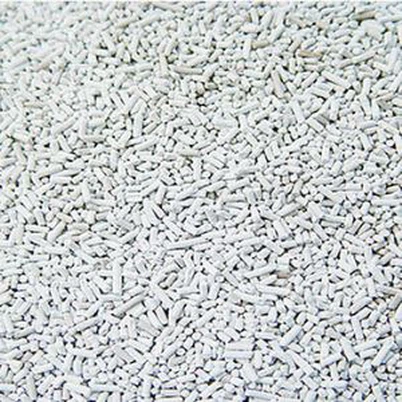
Coconut shell activated carbon is made from high-quality coconut shell as a raw material and is processed by a series of consumer processes. The appearance of coconut shell activated carbon is black, with two kinds of granules and columns. It has the advantages of prosperous pores, good adsorption performance, high strength, easy regeneration, economy and durability. Products are mainly used for deodorization, drinking water filtration, etc.
The strength of coconut shell activated carbon adsorption depends not only on its pore structure, but also on its external chemical properties, which determine the chemical adsorption of coconut shell activated carbon. The difference in appearance chemical properties will have a great influence on the acidity and alkalinity, adsorption selectivity, catalytic properties and electrochemical properties of coconut shell activated carbon.
Therefore, the research on the appearance chemical properties of coconut shell activated carbon has also received great attention. Due to the presence of unsaturation in the surface of carbon solids, they will chemically separate atoms and atomic groups other than carbon components to form a variety of surface functional groups, thus giving coconut shell activated carbon a variety of adsorption characteristics. The main chemical groups that exist in coconut shell activated carbon and have an effect on its adsorption performance are mainly oxygen-containing functional groups and nitrogen-containing functional groups.
Coconut shell activated carbon, etc. use nitric acid, hypochlorous acid and ammonia to stop modification treatment of coconut shell activated carbon. HNO3 is a strong oxidant, which can produce a large number of acidic surface groups, while hypochlorous acid has a milder oxidizability, which can adjust the appearance acidity of coconut shell activated carbon to a suitable value. The oxidized modified coconut shell activated carbon is then treated with ammonia at a lower temperature (200 ° C) to obtain an alkaline appearance with strong ion exchange performance.