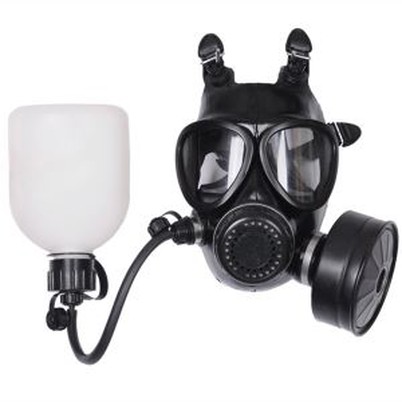
Manufacturing Materials Of Gas Mask
Leave a message
The manufacturing of antivirus masks has become an essential part of protecting ourselves against harmful contaminants such as airborne illnesses. Given the rising demand for this product lately, there are plenty of materials and techniques employed to create these much-needed masks. Let's take a closer look at the different materials used and the features of each.
The first material we will explore is the most commonly used in antivirus masks -- non-woven fabric. This material is made of fiber and other polymers and bonded through heat and chemicals. Some non-woven fabrics are made using natural materials like cotton or silk, while others utilize synthetic materials. Masks made from non-woven fabrics are popular because they are lightweight, breathable, and have excellent filtration capabilities, ensuring that they filter out unwanted particles.
Another material used in the manufacturing of antivirus masks is activated carbon. This material is produced from peat or coconut husks. The activated carbon is used in a layer within the mask to absorb any harmful molecules or bacteria particles, preventing them from being inhaled.
N95 respirator masks are also commonly used, primarily in healthcare settings. These masks are made with electrostatically charged fabric that works to entrap airborne particles. They are highly efficient and can filter out up to 95% of airborne particles that are 0.3 microns in size. N95 masks have a unique three-panel design that expands to fit a wearer's face, providing maximum facial coverage and breathability.
Lastly, there are also transparent masks made of medical-grade silicone materials. These masks are becoming more popular in the healthcare industry as they allow for better communication between healthcare personnel and patients. They are reusable, easy to clean, and provide excellent protection against airborne particles.
In conclusion, making antivirus masks involves the use of various materials and techniques depending on the intended use of the mask. The primary goal is to create masks that provide maximum protection against airborne particles. With continued research and innovation, manufacturers can improve these masks' efficiency and effectiveness even further, ensuring that individuals are fully protected. Overall, we should be grateful for these masks' availability and effectiveness in preventing the spread of harmful illnesses and diseases.