Can a gas mask be used in a chemical plant?
Leave a message

Can a gas mask be used in a chemical plant? This is a question that often arises when considering safety measures in the high - risk environment of chemical plants. As a gas mask supplier, I am well - versed in the intricacies of gas mask usage and its applicability in chemical plant settings.


The Hazards in Chemical Plants
Chemical plants are filled with a wide array of potential hazards. These facilities handle various chemicals, some of which are highly toxic, corrosive, or flammable. Gases such as chlorine, ammonia, and hydrogen sulfide are commonly present. In addition to toxic gases, there are also fine particulate matter and aerosols that can be harmful when inhaled. For example, during chemical reactions or when handling powdered chemicals, dust particles can become airborne. Exposure to these substances can cause a range of health problems, from minor irritation of the respiratory tract to severe and long - term health issues such as lung damage, cancer, and even death.
How Gas Masks Work
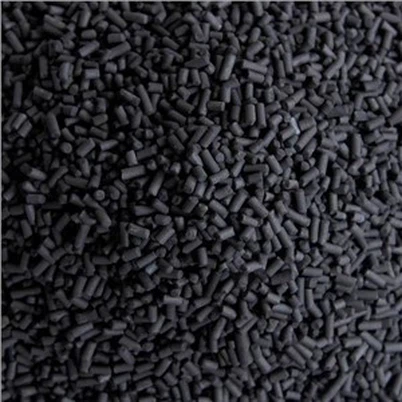
Gas masks are designed to protect the wearer from inhaling harmful substances. They typically consist of a facepiece that covers the nose and mouth (or in some cases, the entire face), and a filter or cartridge system. The filter is the key component that removes contaminants from the air. There are different types of filters, each designed to target specific types of pollutants. For instance, activated carbon filters are effective at adsorbing organic vapors, while particulate filters can trap dust, smoke, and other solid or liquid particles.
Suitability of Gas Masks in Chemical Plants
Advantages
- Immediate Protection: Gas masks can provide immediate protection against a variety of chemical hazards. In the event of a sudden gas leak or a release of toxic fumes, a properly worn gas mask can prevent the inhalation of harmful substances. For example, if there is a leak of chlorine gas, a gas mask with the appropriate filter can remove the chlorine from the air before it reaches the wearer's lungs.
- Portability: Gas masks are relatively portable compared to other types of respiratory protection equipment. Workers can carry them easily and put them on quickly when needed. This is especially important in a dynamic work environment like a chemical plant, where workers may need to move around frequently and respond to emergencies promptly.
- Versatility: There are different types of gas masks available to suit different needs. We offer a Comprehensive Protective Gas Mask that provides comprehensive protection against a wide range of chemical agents, including both gases and particulates. This type of mask is suitable for general use in chemical plants where multiple types of hazards may be present.
Limitations
- Limited Protection Time: The filters in gas masks have a limited lifespan. Once the filter is saturated with contaminants, it loses its effectiveness. In a chemical plant with high levels of pollutants, the filter may need to be replaced frequently. For example, in an area with a high concentration of benzene vapors, the activated carbon filter in the gas mask may become saturated within a few hours, requiring immediate replacement.
- Fit and Comfort: A proper fit is crucial for the effectiveness of a gas mask. If the mask does not fit tightly against the face, contaminants can leak in around the edges. However, achieving a perfect fit can be challenging for some individuals, especially those with facial hair or unique facial features. Additionally, wearing a gas mask for an extended period can be uncomfortable, which may lead to workers removing the mask prematurely.
- Specificity of Filters: Different filters are required for different types of chemicals. If a worker is exposed to a chemical that the filter is not designed to remove, the gas mask will not provide adequate protection. For example, a filter designed for organic vapors may not be effective against inorganic gases like sulfur dioxide.
Types of Gas Masks for Chemical Plants
Gas Mask Half Mask
The Gas Mask Half Mask is a popular choice for many workers in chemical plants. It covers the nose and mouth and is relatively lightweight and comfortable to wear. This type of mask is suitable for situations where the level of contaminants is relatively low or when protection against specific types of pollutants is required. For example, it can be used when handling powdered chemicals to prevent inhalation of dust particles. However, it does not provide protection for the eyes and the rest of the face, which may be exposed to splashes or aerosols.
P - A - 1 Industry Full Mask
The P - A - 1 Industry Full Mask offers more comprehensive protection. It covers the entire face, including the eyes, providing protection against both inhalation hazards and splashes of chemicals. This type of mask is ideal for workers who are exposed to high - risk chemicals or in situations where there is a potential for chemical splashes. For example, in a chemical mixing area where there is a risk of corrosive chemicals splashing onto the face, the full mask can prevent damage to the eyes and skin as well as protect the respiratory system.
Considerations for Using Gas Masks in Chemical Plants
- Training: Workers must receive proper training on how to use gas masks correctly. This includes how to put on and remove the mask, how to check for a proper fit, and how to replace the filters. Training should also cover the limitations of the gas mask and what to do in case of a filter failure or other problems.
- Maintenance: Regular maintenance of gas masks is essential to ensure their effectiveness. This includes cleaning the facepiece, checking for any signs of damage, and replacing the filters at the recommended intervals. For example, if a gas mask has been exposed to a corrosive chemical, it should be thoroughly cleaned to prevent damage to the mask and the filter.
- Compatibility: The gas mask and the filter must be compatible with the specific chemicals present in the chemical plant. Before using a gas mask, a risk assessment should be conducted to determine the types of pollutants that workers may be exposed to, and the appropriate filter should be selected accordingly.
Conclusion
In conclusion, gas masks can be a valuable tool for protecting workers in chemical plants. They offer immediate protection against a variety of chemical hazards, are portable, and come in different types to suit different needs. However, they also have limitations, such as limited protection time, fit and comfort issues, and the need for specific filters. To ensure the safety of workers, proper training, maintenance, and selection of the right gas mask and filter are crucial.
If you are looking for high - quality gas masks for your chemical plant, we are here to help. Our range of gas masks, including the Comprehensive Protective Gas Mask, Gas Mask Half Mask, and P - A - 1 Industry Full Mask, are designed to meet the highest safety standards. Contact us to discuss your specific requirements and start a procurement negotiation. We are committed to providing you with the best solutions for respiratory protection in your chemical plant.
References
- Occupational Safety and Health Administration (OSHA). Respiratory Protection Standards.
- National Institute for Occupational Safety and Health (NIOSH). Guidelines for the Selection and Use of Respiratory Protection Equipment.
- American Conference of Governmental Industrial Hygienists (ACGIH). Threshold Limit Values for Chemical Substances and Physical Agents.