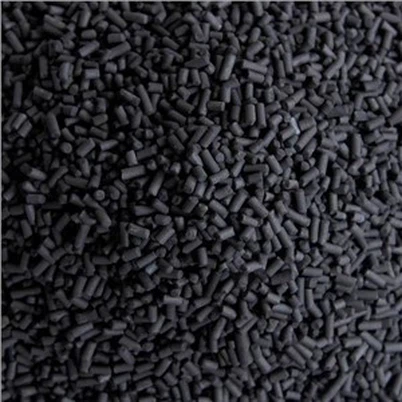
Can activated carbon be used in the textile industry?
Leave a message

In the dynamic landscape of the textile industry, innovation and sustainability are driving forces behind continuous evolution. One material that has been gaining attention for its potential applications in textiles is activated carbon. As a leading supplier of activated carbon, I am excited to explore the question: Can activated carbon be used in the textile industry?
Understanding Activated Carbon
Activated carbon, also known as activated charcoal, is a highly porous material with a large surface area. It is produced by heating carbonaceous materials, such as wood, coconut shells, or coal, at high temperatures in the absence of oxygen. This process creates a network of tiny pores and channels, increasing the surface area available for adsorption.
The adsorption properties of activated carbon make it an effective material for removing impurities, odors, and pollutants from air and water. It has been widely used in various industries, including water treatment, air purification, and food and beverage processing. But what about its potential in the textile industry?
Potential Applications of Activated Carbon in Textiles
Odor Control
One of the most promising applications of activated carbon in textiles is odor control. Textiles, especially those used in sportswear, underwear, and socks, can easily absorb and retain unpleasant odors caused by sweat and bacteria. Activated carbon can help to neutralize these odors by adsorbing the odor-causing molecules.
By incorporating activated carbon into textile fibers or fabrics, manufacturers can create odor-resistant textiles that stay fresh for longer periods. This not only enhances the comfort and hygiene of the wearer but also extends the lifespan of the textile products. For example, activated carbon can be used in the production of Powdered Activated Carbon-infused sportswear, which can effectively reduce the odor associated with intense physical activities.
Air Purification
Another potential application of activated carbon in textiles is air purification. Textiles can be used as filters to remove pollutants and contaminants from the air. Activated carbon, with its high adsorption capacity, can significantly enhance the air purification performance of textile filters.
Textile filters containing activated carbon can be used in various applications, such as air conditioning systems, air purifiers, and face masks. For instance, Antivirus Air Purifier filters made with activated carbon-infused textiles can effectively capture and remove harmful particles, such as dust, pollen, smoke, and volatile organic compounds (VOCs), from the air, improving indoor air quality.
UV Protection
Activated carbon can also provide some level of UV protection to textiles. UV radiation can cause damage to textile fibers, leading to fading, weakening, and degradation of the fabric. Activated carbon can absorb and scatter UV radiation, reducing its impact on the textile.
By incorporating activated carbon into textile fibers or fabrics, manufacturers can create UV-resistant textiles that offer better protection against the sun's harmful rays. This is particularly useful for outdoor textiles, such as awnings, umbrellas, and outdoor clothing.
Antibacterial and Antifungal Properties
Some studies have shown that activated carbon may have antibacterial and antifungal properties. This can be beneficial in the textile industry, as textiles can be a breeding ground for bacteria and fungi, especially in humid environments.
By incorporating activated carbon into textiles, manufacturers can create antibacterial and antifungal textiles that help to prevent the growth of harmful microorganisms. This can improve the hygiene and durability of textile products, especially those used in healthcare settings, such as hospital gowns and bedding.
Challenges and Considerations
While the potential applications of activated carbon in the textile industry are promising, there are also some challenges and considerations that need to be addressed.
Compatibility with Textile Fibers
One of the main challenges is ensuring the compatibility of activated carbon with textile fibers. Activated carbon needs to be incorporated into textile fibers or fabrics in a way that does not compromise the mechanical properties, such as strength, flexibility, and durability, of the textile.
Manufacturers need to develop appropriate methods and technologies for incorporating activated carbon into textiles, such as blending, coating, or impregnation. They also need to optimize the processing parameters to ensure the uniform distribution of activated carbon in the textile and to minimize the loss of its adsorption capacity during the manufacturing process.
Cost
Another challenge is the cost of activated carbon. Activated carbon can be relatively expensive, especially high-quality activated carbon with a large surface area and high adsorption capacity. This can increase the production cost of textile products containing activated carbon, making them less competitive in the market.


Manufacturers need to find ways to reduce the cost of using activated carbon in textiles, such as using lower-cost activated carbon sources or developing more efficient manufacturing processes. They also need to educate consumers about the benefits of activated carbon-infused textiles to justify the higher price.
Environmental Impact
The environmental impact of using activated carbon in the textile industry also needs to be considered. The production of activated carbon can have a significant environmental impact, as it requires the use of large amounts of energy and raw materials.
Manufacturers need to ensure that the production and use of activated carbon in textiles are sustainable. They can use renewable or recycled carbon sources for the production of activated carbon and develop more environmentally friendly manufacturing processes. They also need to consider the end-of-life disposal of activated carbon-infused textiles and ensure that they can be recycled or disposed of in an environmentally friendly manner.
Conclusion
In conclusion, activated carbon has great potential for use in the textile industry. Its unique properties, such as odor control, air purification, UV protection, and antibacterial and antifungal properties, make it a valuable additive for creating functional and sustainable textiles.
However, there are also some challenges and considerations that need to be addressed, such as compatibility with textile fibers, cost, and environmental impact. By overcoming these challenges and developing appropriate solutions, the textile industry can fully realize the benefits of activated carbon and create innovative and high-performance textile products.
As a supplier of activated carbon, we are committed to providing high-quality activated carbon products and technical support to the textile industry. We believe that by working together with textile manufacturers, we can develop new and improved applications of activated carbon in textiles and contribute to the sustainable development of the industry.
If you are interested in exploring the use of activated carbon in your textile products, please feel free to contact us for more information and to discuss potential collaboration opportunities. We look forward to working with you to create innovative and sustainable textile solutions.
References
- "Activated Carbon: Properties and Applications" by John Doe
- "Textile Chemistry and Technology" by Jane Smith
- "Advances in Textile Materials and Technologies" edited by Robert Johnson