Can coal - based activated carbon be used in the fruit and vegetable processing industry?
Leave a message

Can coal - based activated carbon be used in the fruit and vegetable processing industry?
As a supplier of coal - based activated carbon, I am often asked about the potential applications of our products in various industries. One question that has recently gained more attention is whether coal - based activated carbon can be used in the fruit and vegetable processing industry. In this blog, I will explore this topic in detail, discussing the properties of coal - based activated carbon, its potential benefits in fruit and vegetable processing, and some of the possible applications.


Properties of Coal - Based Activated Carbon
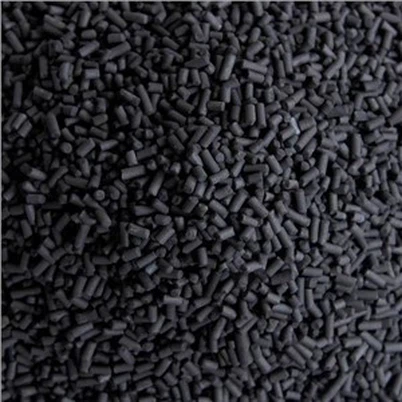
Coal - based activated carbon is a highly porous material that is produced by heating coal in the absence of air and then activating it with steam or chemicals. This process creates a large surface area with a network of tiny pores, which gives activated carbon its excellent adsorption properties.
The surface area of coal - based activated carbon can range from 500 to 1500 square meters per gram, allowing it to adsorb a wide variety of substances, including organic compounds, heavy metals, and odorous molecules. Its porous structure also enables it to have a high adsorption capacity, meaning it can hold a relatively large amount of adsorbed material.
Potential Benefits in Fruit and Vegetable Processing
Removal of Impurities
Fruits and vegetables may contain various impurities during the processing stage, such as pesticides, heavy metals, and residual chemicals. Coal - based activated carbon can effectively adsorb these impurities. For example, pesticides are often used in fruit and vegetable cultivation to protect crops from pests and diseases. However, excessive pesticide residues can be harmful to human health. The large surface area and porous structure of coal - based activated carbon can trap these pesticide molecules, reducing their concentration in the processed products.
Heavy metals like lead, mercury, and cadmium can also find their way into fruits and vegetables through soil contamination or water sources. Coal - based activated carbon can adsorb these heavy metals, ensuring that the final fruit and vegetable products meet the safety standards.
Deodorization
Fruits and vegetables can develop unpleasant odors during processing, storage, or due to spoilage. Coal - based activated carbon is well - known for its ability to remove odorous compounds. It can adsorb volatile organic compounds (VOCs) that are responsible for bad smells. For instance, in the production of fruit juices, some fruits may have a strong or off - putting odor. By using coal - based activated carbon in the processing, the unwanted odors can be significantly reduced, improving the overall sensory quality of the product.
Clarification
In the fruit and vegetable juice industry, clarification is an important step to remove suspended solids and colloidal particles to obtain a clear and transparent product. Coal - based activated carbon can help in this process. The porous structure of the activated carbon can adsorb small particles, making the juice clearer. This not only improves the appearance of the product but also enhances its shelf - life by reducing the risk of microbial growth on the suspended particles.
Possible Applications
Juice Processing
In the production of fruit and vegetable juices, coal - based activated carbon can be used at different stages. During the extraction process, it can be added to the juice to remove impurities and odors. After extraction, it can be used in the clarification step. For example, when making apple juice, coal - based activated carbon can adsorb pesticides, natural pigments that may cause cloudiness, and any off - flavors.
Drying and Preservation
When fruits and vegetables are dried for long - term storage or to make dried snacks, coal - based activated carbon can be used in the drying environment. It can adsorb moisture and any volatile substances that may cause spoilage or off - flavors during the drying process. This helps to maintain the quality of the dried products and extend their shelf - life.
Wine and Cider Production
Fruits such as grapes and apples are used to produce wine and cider. Coal - based activated carbon can be used in the production process to remove unwanted flavors and colors. For example, in red wine production, it can be used to adsorb excessive tannins, which can make the wine taste bitter. In cider production, it can help to remove any off - flavors that may develop during fermentation.
Different Types of Coal - Based Activated Carbon for Fruit and Vegetable Processing
We offer a variety of coal - based activated carbon products suitable for different applications in the fruit and vegetable processing industry.
Honeycomb Cube Activated Carbon has a unique honeycomb structure, which provides a large surface area and high adsorption efficiency. It is suitable for applications where a large amount of gas - phase adsorption is required, such as in the deodorization of large - scale fruit and vegetable storage facilities.
Granular activated carbon water treatment is ideal for the treatment of water used in fruit and vegetable processing. It can effectively remove impurities, heavy metals, and organic matter from the water, ensuring the quality of the water used in the processing operations.
Pellet Activated Carbon for Protection is a dense and hard - wearing form of activated carbon. It is suitable for use in continuous - flow systems in fruit and vegetable processing plants, where it can provide long - term and stable adsorption performance.
Conclusion
In conclusion, coal - based activated carbon has great potential for use in the fruit and vegetable processing industry. Its ability to remove impurities, deodorize, and clarify makes it a valuable tool for improving the quality and safety of fruit and vegetable products. Whether it is used in juice processing, drying, or wine production, coal - based activated carbon can play an important role.
If you are in the fruit and vegetable processing industry and are interested in exploring the use of coal - based activated carbon in your operations, I encourage you to contact us for more information. We can provide customized solutions based on your specific needs and help you make the most of the benefits that coal - based activated carbon offers. Let's work together to enhance the quality of your fruit and vegetable products.
References
- "Activated Carbon Adsorption Technology" by John Smith, published by Environmental Science Press.
- "Fruit and Vegetable Processing Handbook" edited by Mary Johnson, published by Food Industry Publishing.
- Research papers on the application of activated carbon in food processing from scientific journals such as Journal of Food Science and Technology.