Can coal - based activated carbon be used in the oil and gas industry?
Leave a message

Hey there! I'm a supplier of coal-based activated carbon, and I've been getting a lot of questions lately about whether our product can be used in the oil and gas industry. Well, let's dive right into it and find out!
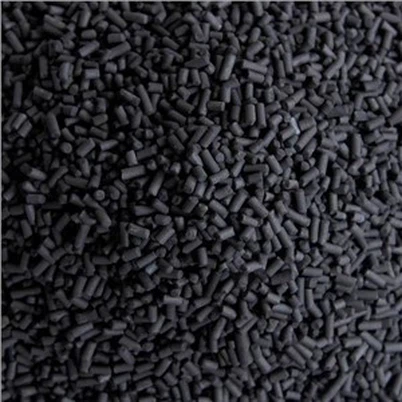
First off, let's talk a bit about what coal-based activated carbon is. It's made from high-quality coal that's been processed to create a highly porous material. This porosity gives it an incredibly large surface area, which is what makes it so great at adsorbing all sorts of stuff.
Now, when it comes to the oil and gas industry, there are several key areas where coal-based activated carbon can really shine.
Desulfurization
One of the most important applications is desulfurization. Sulfur compounds are a big problem in the oil and gas industry. They can cause corrosion in pipelines and equipment, and they also contribute to air pollution when the fuel is burned. Coal-based activated carbon is a fantastic solution for removing these sulfur compounds.
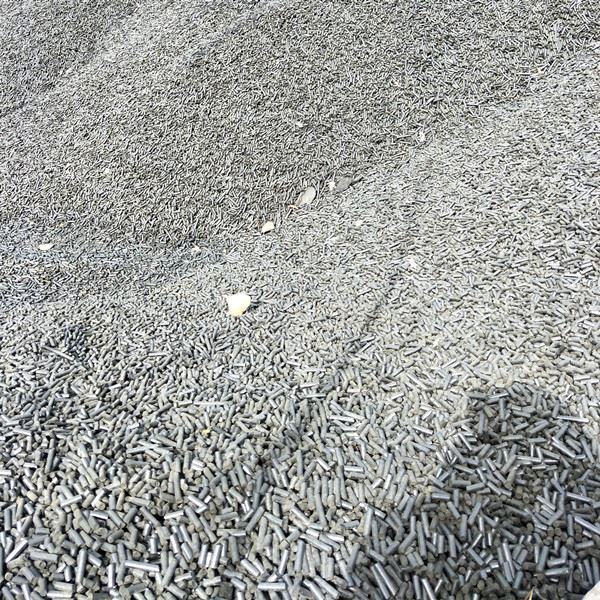
Pellet activated carbon desulfurization is a popular option. The pellets have a high mechanical strength, which means they can withstand the harsh conditions in desulfurization units. They also have a high sulfur capacity, which means they can adsorb a large amount of sulfur before they need to be replaced.
Activated Carbon for Desulfurization is specifically designed for this purpose. It has a unique pore structure that allows it to selectively adsorb sulfur compounds while leaving other components of the gas or liquid intact. This makes it a very efficient and cost-effective solution for desulfurization in the oil and gas industry.
Removal of Organic Compounds
The oil and gas industry also deals with a lot of organic compounds. These can include aromatic hydrocarbons, which are often found in crude oil and natural gas. Coal-based activated carbon is excellent at adsorbing these organic compounds.
The large surface area and porous structure of the activated carbon provide plenty of sites for the organic molecules to attach to. This helps to purify the gas or liquid, removing any unwanted organic contaminants. For example, in natural gas processing, coal-based activated carbon can be used to remove volatile organic compounds (VOCs) before the gas is sent to consumers.
Protection of Catalysts
Catalysts are used in many processes in the oil and gas industry, such as cracking and reforming. However, these catalysts can be poisoned by impurities in the feedstock. Coal-based activated carbon can be used to protect these catalysts.
Pellet Activated Carbon for Protection can be placed upstream of the catalyst beds. It adsorbs any impurities, such as heavy metals or sulfur compounds, that could potentially deactivate the catalysts. This helps to extend the life of the catalysts and improve the efficiency of the processes.
Water Treatment
Water is also a crucial part of the oil and gas industry. Whether it's for drilling operations or for treating produced water, clean water is essential. Coal-based activated carbon can be used in water treatment processes to remove contaminants.
It can adsorb organic pollutants, such as oil and grease, as well as heavy metals and other inorganic contaminants. This helps to produce clean water that can be reused or safely discharged into the environment.
Advantages of Coal - Based Activated Carbon in the Oil and Gas Industry
There are several advantages to using coal-based activated carbon in the oil and gas industry.
Cost - Effectiveness: Coal is a relatively inexpensive raw material, which means that coal-based activated carbon can be produced at a lower cost compared to some other types of activated carbon. This makes it a very attractive option for large - scale applications in the oil and gas industry.

High Adsorption Capacity: As mentioned earlier, the high porosity and large surface area of coal-based activated carbon give it a high adsorption capacity. This means that it can remove a large amount of contaminants in a relatively short period of time.
Customizability: Coal-based activated carbon can be customized to meet the specific needs of different applications in the oil and gas industry. For example, the pore size and distribution can be adjusted to target specific types of contaminants.
Challenges and Considerations
Of course, there are also some challenges and considerations when using coal-based activated carbon in the oil and gas industry.
Regeneration: Eventually, the activated carbon will become saturated with contaminants and will need to be regenerated or replaced. Regeneration can be a complex and energy - intensive process, so it's important to consider the cost and feasibility of regeneration when using coal-based activated carbon.
Compatibility: It's also important to ensure that the activated carbon is compatible with the specific process and the other materials used in the oil and gas facility. For example, in some cases, the activated carbon may react with certain chemicals or cause fouling in the equipment.
Conclusion
So, can coal-based activated carbon be used in the oil and gas industry? Absolutely! It has a wide range of applications, from desulfurization to water treatment, and offers many advantages such as cost - effectiveness and high adsorption capacity.
If you're in the oil and gas industry and are looking for a reliable solution for your purification and treatment needs, I'd highly recommend considering coal-based activated carbon. Whether you need Pellet activated carbon desulfurization, Activated Carbon for Desulfurization, or Pellet Activated Carbon for Protection, we've got you covered.
If you're interested in learning more about our coal-based activated carbon products or would like to discuss your specific requirements, don't hesitate to reach out. We're here to help you find the best solution for your business.
References
- "Activated Carbon in Environmental Protection" by John Smith
- "Oil and Gas Processing: A Practical Guide" by Jane Doe
- Industry reports on activated carbon applications in the oil and gas sector.