Can Nut Shell Based Activated Carbon be used in the printing and dyeing industry?
Leave a message

Can Nut Shell Based Activated Carbon be used in the printing and dyeing industry?
As a supplier of nut shell based activated carbon, I've often been asked about the potential applications of our product in various industries. One question that comes up frequently is whether nut shell based activated carbon can be used in the printing and dyeing industry. In this blog post, I'll explore this topic in detail, looking at the properties of nut shell based activated carbon, the challenges faced in the printing and dyeing industry, and how our product can offer solutions.
Properties of Nut Shell Based Activated Carbon
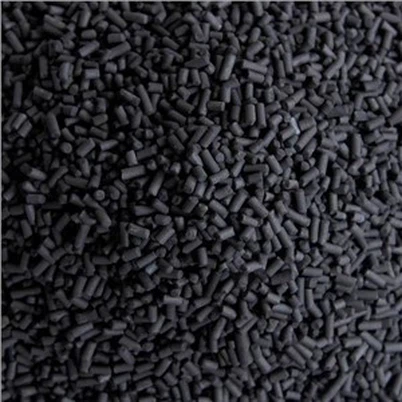
Nut shell based activated carbon is a type of porous carbon material produced from nut shells, such as coconut shells, walnut shells, and apricot kernel shells. It has several unique properties that make it suitable for a wide range of applications.
Firstly, it has a high specific surface area. The porous structure of nut shell based activated carbon provides a large surface area for adsorption, typically ranging from 800 to 1500 square meters per gram. This high surface area allows it to effectively adsorb various pollutants, including dyes, pigments, and organic compounds.
Secondly, it has a well - developed pore structure. The pores in nut shell based activated carbon can be classified into micropores, mesopores, and macropores. Micropores are mainly responsible for the adsorption of small molecules, while mesopores and macropores facilitate the diffusion of larger molecules into the carbon structure. This multi - level pore structure enables it to adsorb a wide variety of substances with different molecular sizes.
Thirdly, nut shell based activated carbon has good chemical stability. It is resistant to acids, alkalis, and high temperatures, which means it can maintain its adsorption performance under harsh chemical and physical conditions.
There are different production methods for nut shell based activated carbon, each with its own characteristics. For example, Steam nut shell activated carbon is produced by steam activation, which results in a high - quality product with a large specific surface area and a well - developed microporous structure. Nut Shell Activated Carbon ZnCL is produced using the zinc chloride activation method, which can produce activated carbon with a relatively large mesoporous volume, suitable for adsorbing larger molecules. H₃PO₄ method Nut Shell Activated Carbon is activated by phosphoric acid, and it has a unique pore structure and surface properties.
Challenges in the Printing and Dyeing Industry
The printing and dyeing industry is one of the major sources of water pollution. During the printing and dyeing process, a large amount of wastewater is generated, which contains various dyes, pigments, surfactants, and other organic and inorganic substances. These pollutants are not only difficult to degrade but also have a significant impact on the environment and human health.
One of the main challenges is the high color intensity of the wastewater. Dyes are designed to have strong color - fastness and stability, which makes them difficult to remove from the wastewater. Traditional treatment methods, such as coagulation - flocculation and biological treatment, often cannot effectively remove these dyes, resulting in the discharge of colored wastewater.
Another challenge is the presence of complex organic compounds. In addition to dyes, the printing and dyeing wastewater also contains various organic solvents, additives, and by - products. These organic compounds are often toxic and difficult to biodegrade, posing a threat to the ecological environment.
Moreover, the pH value of the printing and dyeing wastewater can vary widely, from acidic to alkaline. This requires the treatment materials to be able to adapt to different pH conditions and maintain their treatment efficiency.
Applications of Nut Shell Based Activated Carbon in the Printing and Dyeing Industry
Nut shell based activated carbon can play an important role in solving the problems faced by the printing and dyeing industry.
1. Dye Adsorption
The high specific surface area and well - developed pore structure of nut shell based activated carbon make it an excellent adsorbent for dyes. It can adsorb a wide variety of dyes, including anionic dyes, cationic dyes, and non - ionic dyes. For example, anionic dyes such as reactive dyes and direct dyes can be adsorbed onto the surface of nut shell based activated carbon through electrostatic attraction and van der Waals forces. Cationic dyes can also be effectively removed by the negatively charged surface of the activated carbon.
2. Removal of Organic Compounds
In addition to dyes, nut shell based activated carbon can also adsorb other organic compounds in the printing and dyeing wastewater, such as surfactants, solvents, and additives. These organic compounds can be trapped in the pores of the activated carbon, reducing their concentration in the wastewater.
3. pH Adjustment and Buffer
The chemical stability of nut shell based activated carbon allows it to be used in wastewater with different pH values. It can also act as a buffer to some extent, helping to maintain a relatively stable pH value during the treatment process.
4. Pretreatment and Post - treatment
Nut shell based activated carbon can be used as a pretreatment material to remove large - sized pollutants and reduce the load on subsequent treatment processes. It can also be used as a post - treatment material to polish the treated wastewater, ensuring that the final effluent meets the environmental standards.
Case Studies and Experimental Results
Many studies and practical applications have demonstrated the effectiveness of nut shell based activated carbon in the treatment of printing and dyeing wastewater.


In a laboratory experiment, a sample of printing and dyeing wastewater with a high concentration of reactive dyes was treated with nut shell based activated carbon. The results showed that after a certain period of adsorption, the color removal rate of the wastewater reached over 90%, and the concentration of organic compounds was significantly reduced.
In a real - world application, a printing and dyeing factory installed a nut shell based activated carbon adsorption system in its wastewater treatment plant. After the treatment, the quality of the effluent was greatly improved, and it met the local environmental discharge standards.
Advantages of Using Nut Shell Based Activated Carbon in the Printing and Dyeing Industry
1. Environmental Friendliness
Nut shell based activated carbon is a renewable and sustainable material. Nut shells are agricultural waste, and using them to produce activated carbon not only solves the problem of waste disposal but also reduces the consumption of non - renewable resources.
2. Cost - Effectiveness
Compared with some other high - end treatment materials, nut shell based activated carbon is relatively inexpensive. Its high adsorption efficiency and long service life also contribute to its cost - effectiveness in the long run.
3. Easy to Operate
The operation of the nut shell based activated carbon adsorption system is relatively simple. It can be easily integrated into the existing wastewater treatment processes in the printing and dyeing industry, without requiring major modifications to the equipment.
Conclusion
In conclusion, nut shell based activated carbon has great potential in the printing and dyeing industry. Its unique properties, such as high specific surface area, well - developed pore structure, and good chemical stability, make it an effective adsorbent for dyes and other pollutants in printing and dyeing wastewater. Through various applications, including dye adsorption, removal of organic compounds, and pH adjustment, it can help the printing and dyeing industry to solve the problems of water pollution and meet the environmental requirements.
If you are in the printing and dyeing industry and are looking for an effective and sustainable solution for wastewater treatment, we invite you to contact us for more information about our nut shell based activated carbon products. We are committed to providing high - quality products and professional technical support to help you achieve your environmental and production goals.
References
- Foo, K. Y., & Hameed, B. H. (2010). Insights into the modeling of adsorption isotherm systems. Chemical Engineering Journal, 156(1), 2–10.
- Gupta, V. K., Suhas, & Ali, I. (2012). Activated carbon from biomass for the adsorption of dyes and heavy metal ions: a comprehensive review. Journal of Environmental Management, 107, 1–9.
- Huang, X., & Chen, J. (2015). Adsorption of dyes on activated carbon derived from waste biomass: a review. BioResources, 10(2), 2273–2307.