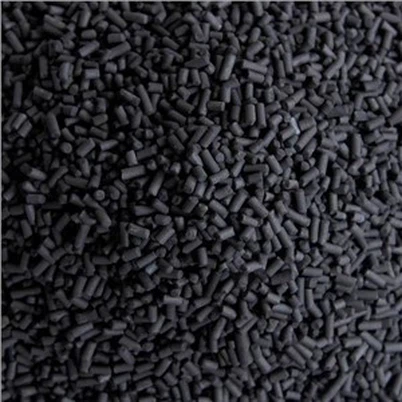
Can Nut Shell Based Activated Carbon be used in the treatment of pharmaceutical wastewater?
Leave a message

Hey there! As a supplier of Nut Shell Based Activated Carbon, I've been getting a lot of questions lately about whether our product can be used in the treatment of pharmaceutical wastewater. So, I thought I'd take a few minutes to share some insights on this topic.
First off, let's talk a bit about what pharmaceutical wastewater is and why it's such a challenge to treat. Pharmaceutical wastewater contains a wide range of contaminants, including drugs, antibiotics, hormones, and other chemical compounds. These contaminants can be harmful to the environment and human health if not properly treated. Moreover, pharmaceutical wastewater often has high chemical oxygen demand (COD), biological oxygen demand (BOD), and toxicity levels, making it difficult to treat using conventional methods.
Now, let's get to the main question: Can Nut Shell Based Activated Carbon be used in the treatment of pharmaceutical wastewater? The answer is a resounding yes! Nut Shell Based Activated Carbon has several properties that make it an excellent choice for treating pharmaceutical wastewater.


One of the key advantages of Nut Shell Based Activated Carbon is its high surface area. Activated carbon is made by heating carbonaceous materials, such as nut shells, to high temperatures in the absence of oxygen. This process creates a network of tiny pores and channels on the surface of the carbon, increasing its surface area significantly. A high surface area means that the activated carbon has more sites available for adsorption, allowing it to effectively remove a wide range of contaminants from the wastewater.
Another important property of Nut Shell Based Activated Carbon is its porosity. The pores in the activated carbon come in different sizes, which allows it to adsorb contaminants of various molecular sizes. This is particularly important when treating pharmaceutical wastewater, as the contaminants can have a wide range of molecular weights. The small pores in the activated carbon can adsorb small molecules, such as drugs and antibiotics, while the larger pores can adsorb larger molecules, such as hormones and other chemical compounds.
In addition to its high surface area and porosity, Nut Shell Based Activated Carbon also has a high degree of surface reactivity. The surface of the activated carbon contains functional groups, such as hydroxyl, carboxyl, and carbonyl groups, which can interact with the contaminants in the wastewater through various mechanisms, such as adsorption, ion exchange, and chemical reaction. This surface reactivity allows the activated carbon to remove contaminants from the wastewater more effectively than other adsorbents.
There are different types of Nut Shell Based Activated Carbon available, each with its own unique properties and applications. For example, Nut Shell Activated Carbon ZnCL is produced using the zinc chloride activation method. This type of activated carbon has a high micropore volume and is particularly effective in removing small organic molecules from the wastewater.
Steam nut shell activated carbon is produced using the steam activation method. This method results in an activated carbon with a well-developed mesopore and macropore structure, making it suitable for removing larger molecules and colloidal particles from the wastewater.
H3PO4 method Nut Shell Activated Carbon is produced using the phosphoric acid activation method. This type of activated carbon has a high surface area and a high degree of surface acidity, which makes it effective in removing basic contaminants from the wastewater.
When using Nut Shell Based Activated Carbon to treat pharmaceutical wastewater, there are a few things to keep in mind. First, the type of activated carbon used should be selected based on the specific contaminants present in the wastewater. Different types of activated carbon have different adsorption capacities and selectivities for different contaminants, so it's important to choose the right type of activated carbon for the job.
Second, the dosage of the activated carbon should be optimized. The amount of activated carbon required to treat the wastewater depends on several factors, such as the concentration of the contaminants, the flow rate of the wastewater, and the contact time between the activated carbon and the wastewater. Too little activated carbon may not be effective in removing the contaminants, while too much activated carbon can be wasteful and increase the cost of treatment.
Third, the contact time between the activated carbon and the wastewater should be sufficient. Adsorption is a time-dependent process, and it takes time for the contaminants to diffuse into the pores of the activated carbon and be adsorbed. Therefore, it's important to ensure that the wastewater has enough contact time with the activated carbon to achieve maximum adsorption.
In conclusion, Nut Shell Based Activated Carbon is a highly effective and versatile adsorbent for treating pharmaceutical wastewater. Its high surface area, porosity, and surface reactivity make it capable of removing a wide range of contaminants from the wastewater. Whether you're dealing with drugs, antibiotics, hormones, or other chemical compounds, Nut Shell Based Activated Carbon can help you achieve your wastewater treatment goals.
If you're interested in using Nut Shell Based Activated Carbon for the treatment of pharmaceutical wastewater, I'd love to have a chat with you. We can discuss your specific requirements and help you choose the right type of activated carbon for your application. Don't hesitate to reach out and start a conversation about how we can work together to solve your wastewater treatment challenges.
References
- Foo, K. Y., & Hameed, B. H. (2010). Insights into the modeling of adsorption isotherm systems. Chemical Engineering Journal, 156(1), 2-10.
- Gupta, V. K., & Suhas. (2009). Application of low-cost adsorbents for dye removal - A review. Journal of Environmental Management, 90(8), 2313-2342.
- Yang, R. T. (2003). Adsorbents: Fundamentals and Applications. Wiley.