Can Protective Globular Activated Carbon be used in aquariums?
Leave a message

In the world of aquarium keeping, maintaining optimal water quality is of utmost importance for the health and well - being of the aquatic inhabitants. One commonly used tool in water treatment is activated carbon. As a supplier of Protective Globular Activated Carbon, I often get asked whether our product can be used in aquariums. In this blog post, I'll explore the properties of Protective Globular Activated Carbon, its suitability for aquarium use, and the potential benefits and drawbacks.
What is Protective Globular Activated Carbon?
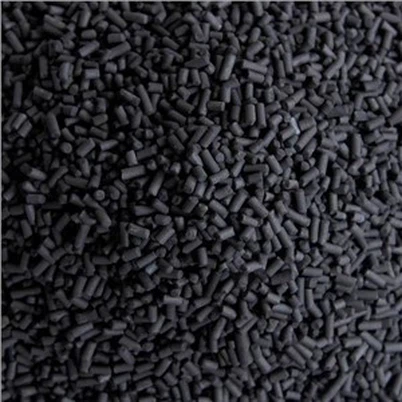
Protective Globular Activated Carbon is a type of activated carbon that is produced in a spherical or globular shape. Its spherical form offers several advantages compared to traditional irregularly - shaped activated carbon. It has a uniform size and shape, which allows for better flow distribution in filtration systems. This type of activated carbon is typically derived from special carbonaceous raw materials and undergoes an activation process that creates a highly porous structure.
The porosity of Protective Globular Activated Carbon is what gives it its exceptional adsorption capabilities. The tiny pores on its surface provide a large surface area where various substances can adhere. This enables it to remove a wide range of impurities from liquids and gases. To learn more about this product, you can visit Protective Globular Activated Carbon.


Suitability for Aquarium Use
Positive Aspects
-
Adsorption of Impurities: One of the key benefits of using Protective Globular Activated Carbon in an aquarium is its ability to adsorb a variety of impurities. In an aquarium environment, there are many potential sources of contaminants. Organic compounds such as uneaten fish food, fish waste, and decaying plant matter can release harmful substances like ammonia, nitrites, and nitrates over time. Protective Globular Activated Carbon can adsorb these organic molecules, helping to keep the water clean and clear. It can also remove dissolved pigments that may make the water appear cloudy or discolored, giving your aquarium a more aesthetically pleasing look.
-
Removal of Medications and Chemicals: If you have ever had to treat your aquarium for diseases or parasites, you may have used medications. Some of these medications can leave residues in the water even after the treatment is complete. Protective Globular Activated Carbon can adsorb these chemical residues, ensuring that the water is returned to a more natural and healthy state for your fish.
-
Odor Control: Aquariums can sometimes develop unpleasant odors, especially when the water quality is poor. The odor is often caused by the presence of volatile organic compounds (VOCs) in the water. Protective Globular Activated Carbon can adsorb these VOCs, helping to eliminate or reduce the unpleasant smell in and around your aquarium.
Potential Drawbacks
-
PH and Mineral Imbalance: While Protective Globular Activated Carbon is great at adsorbing impurities, it can also have an impact on the water chemistry. In some cases, it may adsorb essential minerals from the water, which could potentially lead to a change in the pH level. A sudden change in pH can be stressful for fish and other aquatic organisms, as they are adapted to a specific range of water conditions. Therefore, it is important to monitor the water parameters regularly when using activated carbon in your aquarium.
-
Limited Lifespan: The adsorption capacity of Protective Globular Activated Carbon is not infinite. Over time, the pores of the carbon become filled with the adsorbed substances, and its effectiveness decreases. You will need to replace the activated carbon periodically to maintain its performance. However, the exact replacement frequency depends on various factors such as the size of the aquarium, the number of fish, and the level of contaminants.
Factors to Consider Before Using Protective Globular Activated Carbon in an Aquarium
-
Aquarium Size: The size of your aquarium matters. A larger aquarium will generally require more Protective Globular Activated Carbon to be effective. As a general rule, you should use about 1 to 2 grams of activated carbon per gallon of water. However, this is just a rough guideline, and you may need to adjust the amount based on the specific conditions of your aquarium.
-
Type of Aquatic Life: Different types of fish and other aquatic organisms have different sensitivities to water chemistry. Some species are more adaptable to changes in water conditions, while others are very sensitive. If you have sensitive species in your aquarium, such as certain types of freshwater shrimp or some saltwater corals, you need to be extra cautious when using Protective Globular Activated Carbon. You may want to introduce it gradually and closely monitor the behavior and health of your aquatic inhabitants.
-
Filtration System Compatibility: You need to ensure that the Protective Globular Activated Carbon is compatible with your aquarium's filtration system. Some filtration systems may not be designed to handle spherical carbon effectively, and it may cause clogs or reduce the flow rate. You should consult the manufacturer's documentation of your filtration system to determine if it can be used with spherical activated carbon.
How to Use Protective Globular Activated Carbon in an Aquarium
-
Preparation: Before adding Protective Globular Activated Carbon to your aquarium, you should rinse it thoroughly with clean water. This will remove any loose particles or dust that may be present on the surface of the carbon. Do not use tap water that may contain chlorine or other chemicals, as these can be adsorbed by the carbon and then released into the aquarium.
-
Placement: The best place to put the activated carbon is in the filter of your aquarium. If you have a canister filter, you can place the carbon in a mesh bag and insert it into the appropriate compartment of the filter. For hang - on - back filters, you can use a media cartridge specifically designed to hold activated carbon.
-
Monitoring and Maintenance: As mentioned earlier, you need to monitor the water parameters regularly. Test the water for pH, ammonia, nitrite, and nitrate levels at least once a week. Observe the behavior of your fish for any signs of stress, such as lethargy or loss of appetite. When it comes time to replace the Protective Globular Activated Carbon, follow the manufacturer's instructions for disposal to ensure that it is done safely and environmentally friendly.
Comparison with Other Types of Activated Carbon in Aquariums
There are other types of activated carbon available for aquarium use, such as granular activated carbon and powdered activated carbon. Compared to granular activated carbon, Protective Globular Activated Carbon has better flow characteristics. The spherical shape allows for a more uniform flow of water through the carbon, which can improve its overall adsorption efficiency.
Powdered activated carbon, on the other hand, has an extremely large surface area due to its fine particle size. While it may have a high adsorption capacity initially, it can be more difficult to handle and may cause cloudiness in the water if not properly contained. In contrast, Protective Globular Activated Carbon is easier to use and less likely to cause water clarity issues.
Special Considerations for Medical - Related Applications in Aquariums
In some cases, you may need a more specialized form of activated carbon for specific medical situations in your aquarium. Medical Globular Activated Carbon is a product that is specifically designed for use in environments where high - purity and precision are required. It meets strict quality standards and can be used when treating delicate or sensitive aquarium inhabitants.
Contact for Purchase and Consultation
If you are interested in using Protective Globular Activated Carbon in your aquarium or have any questions about our product, we would be more than happy to assist you. We can provide you with detailed information about the product, its usage guidelines, and help you determine the appropriate amount for your aquarium. Please feel free to reach out to us to start the conversation about purchasing and optimizing the use of our Protective Globular Activated Carbon for your aquarium needs.
References
- Schmidt, J., & Smith, A. (2020). Aquarium Water Quality Management. Aquatic Science Journal, 35(2), 123 - 135.
- Brown, C., & Green, D. (2018). Activated Carbon in Aquatic Environments. Environmental Chemistry Reviews, 22(4), 201 - 215.