How do I compare different room air purifiers?
Leave a message

When it comes to creating a healthy and comfortable indoor environment, room air purifiers play a crucial role. As a supplier of room air purifiers, I understand the importance of helping customers make informed decisions when comparing different models. In this blog post, I will share some key factors to consider when comparing room air purifiers, based on my experience in the industry.
Clean Air Delivery Rate (CADR)
One of the most important factors to consider when comparing room air purifiers is the Clean Air Delivery Rate (CADR). The CADR measures the volume of filtered air that an air purifier can deliver per minute. It is typically measured in cubic feet per minute (CFM) for three main pollutants: smoke, dust, and pollen. A higher CADR means that the air purifier can clean the air in a room more quickly and effectively.
When comparing CADR ratings, it's important to consider the size of the room where the air purifier will be used. As a general rule, you should choose an air purifier with a CADR that is appropriate for the square footage of the room. For example, a small bedroom may only require an air purifier with a CADR of 100-150 CFM, while a larger living room may need an air purifier with a CADR of 300-400 CFM or higher.
Filtration System
Another important factor to consider when comparing room air purifiers is the filtration system. Most air purifiers use a combination of filters to remove different types of pollutants from the air. The most common types of filters used in air purifiers include:
- Pre-filters: These filters are designed to capture large particles such as dust, hair, and pet dander. They help to extend the life of the other filters in the air purifier.
- HEPA filters: High-Efficiency Particulate Air (HEPA) filters are capable of capturing 99.97% of particles that are 0.3 microns or larger. They are very effective at removing allergens, dust, pollen, and other small particles from the air.
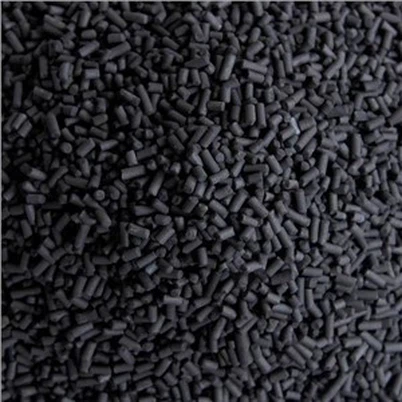
- Activated carbon filters: These filters are designed to remove odors, chemicals, and volatile organic compounds (VOCs) from the air. They work by adsorbing these pollutants onto the surface of the carbon.
- UV-C light filters: Ultraviolet-C (UV-C) light filters are used to kill bacteria, viruses, and other microorganisms in the air. They work by damaging the DNA of these organisms, preventing them from reproducing.
When comparing air purifiers, it's important to consider the type and quality of the filters used. Look for air purifiers that use high-quality HEPA filters and activated carbon filters, as these are the most effective at removing a wide range of pollutants from the air. You should also consider the replacement frequency of the filters, as this can affect the long-term cost of using the air purifier.
Noise Level
The noise level of an air purifier is another important factor to consider, especially if you plan to use the air purifier in a bedroom or other quiet space. Most air purifiers operate at a noise level of between 30 and 60 decibels (dB), which is similar to the sound of a quiet conversation or a refrigerator.
When comparing air purifiers, look for models that have a low noise level, especially if you plan to use the air purifier while you sleep. Some air purifiers have a "sleep mode" that reduces the fan speed and noise level, making them more suitable for use in a bedroom.

Energy Efficiency
Energy efficiency is another important factor to consider when comparing room air purifiers. Most air purifiers consume between 20 and 100 watts of electricity, depending on the size and model of the air purifier.
When comparing air purifiers, look for models that are Energy Star certified. Energy Star certified air purifiers are designed to use less energy than standard air purifiers, which can help to reduce your energy bills and your carbon footprint.
Additional Features
In addition to the factors mentioned above, there are several other features that you may want to consider when comparing room air purifiers. These features can include:

- Smart features: Some air purifiers come with smart features such as Wi-Fi connectivity, smartphone apps, and voice control. These features allow you to control the air purifier remotely and monitor the air quality in your home.
- Air quality sensors: Some air purifiers come with air quality sensors that can detect the level of pollutants in the air and adjust the fan speed accordingly. This can help to ensure that the air purifier is operating at the most efficient level.
- Auto mode: Some air purifiers have an auto mode that automatically adjusts the fan speed based on the air quality in the room. This can help to save energy and ensure that the air purifier is always operating at the optimal level.
- Filter replacement indicator: Some air purifiers have a filter replacement indicator that alerts you when it's time to replace the filters. This can help to ensure that the air purifier is always operating at its best.
Comparing Specific Models
Now that you know what factors to consider when comparing room air purifiers, let's take a look at some specific models that we offer as a supplier.
- Room Air Purifier filter: This air purifier features a high-efficiency HEPA filter and an activated carbon filter, which are effective at removing a wide range of pollutants from the air. It also has a CADR of 310 CFM, which makes it suitable for use in medium-sized rooms. The air purifier has a low noise level and is Energy Star certified, which makes it energy-efficient.
- Room Air Purifier clean water: This air purifier uses a unique clean water filtration system to remove pollutants from the air. It is effective at removing dust, pollen, smoke, and other small particles from the air. The air purifier has a CADR of 150 CFM, which makes it suitable for use in small rooms. It also has a low noise level and is energy-efficient.
- Air Purifier machine Room: This air purifier features a high-efficiency HEPA filter, an activated carbon filter, and a UV-C light filter, which are effective at removing a wide range of pollutants from the air. It also has a CADR of 600 CFM, which makes it suitable for use in large rooms. The air purifier has a low noise level and is Energy Star certified, which makes it energy-efficient.
Conclusion
When comparing different room air purifiers, it's important to consider several factors, including the Clean Air Delivery Rate (CADR), the filtration system, the noise level, the energy efficiency, and the additional features. By considering these factors, you can choose an air purifier that is suitable for your needs and budget.
As a supplier of room air purifiers, we are committed to providing our customers with high-quality products and excellent customer service. If you have any questions or need help choosing an air purifier, please feel free to contact us. We would be happy to assist you with your purchase.
References
- "Clean Air Delivery Rate (CADR) - What You Need to Know." Air Purifier Review.
- "How to Choose an Air Purifier." Consumer Reports.
- "Air Purifier Buying Guide." Home Depot.