How does wood - based activated carbon perform in removing color from liquids?
Leave a message

In the realm of liquid purification, the removal of color is a critical process across various industries, including food and beverage, pharmaceuticals, and wastewater treatment. Among the many adsorbents available, wood-based activated carbon stands out as a highly effective solution. As a leading supplier of wood-based activated carbon, I am excited to delve into how this remarkable material performs in removing color from liquids.
Understanding Wood-based Activated Carbon
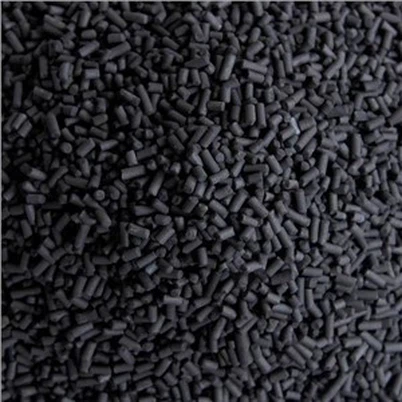
Wood-based activated carbon is derived from natural wood sources, such as coconut shells, wood chips, and sawdust. Through a process of carbonization and activation, these raw materials are transformed into a highly porous material with a large surface area. This porous structure gives wood-based activated carbon its exceptional adsorption properties, allowing it to trap and remove a wide range of contaminants, including color-causing substances.
The activation process is crucial in determining the performance of wood-based activated carbon. There are two main methods of activation: physical activation and chemical activation. Physical activation involves heating the carbonized wood in the presence of an oxidizing gas, such as steam or carbon dioxide. This process creates a network of pores within the carbon structure, increasing its surface area and enhancing its adsorption capacity. Chemical activation, on the other hand, involves treating the wood with chemicals, such as phosphoric acid or zinc chloride, before carbonization. This method can produce activated carbon with a more uniform pore size distribution and higher adsorption efficiency.
Mechanisms of Color Removal
The removal of color from liquids by wood-based activated carbon occurs through several mechanisms, including adsorption, ion exchange, and chemical reaction.


Adsorption
Adsorption is the primary mechanism by which wood-based activated carbon removes color from liquids. The large surface area and porous structure of the activated carbon provide numerous sites for the adsorption of color-causing molecules. These molecules are attracted to the surface of the activated carbon through various forces, such as van der Waals forces, electrostatic interactions, and hydrogen bonding. Once adsorbed, the color-causing molecules are held onto the surface of the activated carbon, effectively removing them from the liquid.
Ion Exchange
In some cases, color-causing substances may be in the form of ions. Wood-based activated carbon can act as an ion exchanger, exchanging its own ions with the color-causing ions in the liquid. This process can be particularly effective in removing metal ions, such as iron and copper, which can cause coloration in liquids.
Chemical Reaction
Wood-based activated carbon can also participate in chemical reactions with color-causing substances. For example, some activated carbons contain functional groups on their surface that can react with certain color-causing molecules, such as dyes. These reactions can result in the breakdown or transformation of the color-causing molecules, making them easier to remove from the liquid.
Performance Factors
The performance of wood-based activated carbon in removing color from liquids is influenced by several factors, including the type of activated carbon, the properties of the liquid, and the operating conditions.
Type of Activated Carbon
The type of wood-based activated carbon used can have a significant impact on its color removal performance. Different types of activated carbon have different pore size distributions, surface areas, and surface chemistries, which can affect their ability to adsorb different types of color-causing substances. For example, activated carbon with a large pore size may be more effective in removing large color-causing molecules, while activated carbon with a small pore size may be better suited for removing small molecules.
Properties of the Liquid
The properties of the liquid being treated, such as its pH, temperature, and concentration of color-causing substances, can also affect the performance of wood-based activated carbon. For example, the pH of the liquid can influence the surface charge of the activated carbon and the ionization state of the color-causing molecules, which can affect the adsorption process. Similarly, the temperature of the liquid can affect the kinetics of the adsorption reaction, with higher temperatures generally resulting in faster adsorption rates.
Operating Conditions
The operating conditions, such as the contact time between the activated carbon and the liquid, the dosage of activated carbon, and the flow rate of the liquid, can also impact the color removal performance. Increasing the contact time between the activated carbon and the liquid can allow more time for the adsorption process to occur, resulting in higher color removal efficiency. Similarly, increasing the dosage of activated carbon can provide more adsorption sites, leading to improved color removal. However, it is important to note that increasing the dosage of activated carbon beyond a certain point may not result in a proportional increase in color removal efficiency, as the adsorption sites may become saturated.
Applications in Different Industries
Wood-based activated carbon is widely used in various industries for the removal of color from liquids.
Food and Beverage Industry
In the food and beverage industry, wood-based activated carbon is used to remove color from a variety of products, such as fruit juices, wine, and sugar solutions. The removal of color is important in these products to improve their appearance and quality. For example, in the production of fruit juices, activated carbon can be used to remove the natural pigments that can cause cloudiness and off-color. In the production of wine, activated carbon can be used to remove the color and odor compounds that can develop during the fermentation process.
Pharmaceutical Industry
In the pharmaceutical industry, wood-based activated carbon is used to purify pharmaceutical products and remove color impurities. The high purity and low ash content of wood-based activated carbon make it suitable for use in pharmaceutical applications. For example, activated carbon can be used to remove the color and odor from pharmaceutical solutions, such as antibiotics and vitamins.
Wastewater Treatment Industry
In the wastewater treatment industry, wood-based activated carbon is used to remove color and other contaminants from industrial wastewater. The large surface area and high adsorption capacity of activated carbon make it effective in removing a wide range of pollutants, including color-causing substances. For example, activated carbon can be used to treat the wastewater from textile mills, which often contains high concentrations of dyes and other colorants.
Advantages of Wood-based Activated Carbon
There are several advantages to using wood-based activated carbon for color removal in liquids.
Natural and Sustainable
Wood-based activated carbon is derived from natural wood sources, which makes it a sustainable and environmentally friendly option. Unlike some other types of activated carbon, which are derived from fossil fuels, wood-based activated carbon is renewable and can be produced in a carbon-neutral manner.
High Adsorption Capacity
Wood-based activated carbon has a high adsorption capacity, which means that it can remove a large amount of color-causing substances from liquids. This makes it an effective and efficient solution for color removal applications.
Low Ash Content
Wood-based activated carbon typically has a low ash content, which means that it produces less waste and is easier to handle and dispose of. This is particularly important in applications where the purity of the treated liquid is critical, such as in the food and beverage and pharmaceutical industries.
Customizable Properties
Wood-based activated carbon can be customized to meet the specific requirements of different applications. By adjusting the activation process and the raw materials used, the pore size distribution, surface area, and surface chemistry of the activated carbon can be tailored to optimize its performance for color removal.
Contact for Purchase and Consultation
If you are interested in using wood-based activated carbon for color removal in your liquid purification process, I encourage you to contact us for a consultation. As a leading supplier of wood-based activated carbon, we have a wide range of products available, including Wood-based Activated Carbon powder and Wood-based powder Activated Carbon steam. Our team of experts can help you select the right product for your specific application and provide you with technical support and guidance.
We are committed to providing our customers with high-quality products and excellent service. Whether you are a small business or a large corporation, we have the resources and expertise to meet your needs. Contact us today to learn more about how wood-based activated carbon can improve the color and quality of your liquids.
References
- Yang, R. T. (1997). Gas separation by adsorption processes. World Scientific.
- Foo, K. Y., & Hameed, B. H. (2010). Insights into the modeling of adsorption isotherm systems. Chemical Engineering Journal, 156(1), 2-10.
- Bansal, R. C., & Goyal, M. (2005). Activated carbon adsorption. Taylor & Francis.