Is a portable room air purifier effective?
Leave a message

In recent years, the demand for clean and healthy indoor air has skyrocketed, leading to a surge in the popularity of portable room air purifiers. As a supplier of high - quality room air purifiers, I am often asked the question: "Is a portable room air purifier effective?" In this blog, I will delve into the science behind air purifiers, their effectiveness, and factors that influence their performance.
How Portable Room Air Purifiers Work
Portable room air purifiers operate on a relatively simple principle: they draw in air from the surrounding environment, pass it through a series of filters or purification mechanisms, and then release the cleaned air back into the room. The key components of an air purifier are its filters and the purification technology it employs.
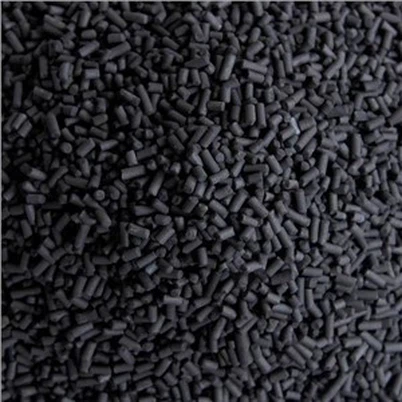
One of the most common types of filters used in air purifiers is the High - Efficiency Particulate Air (HEPA) filter. HEPA filters are designed to trap at least 99.97% of particles that are 0.3 microns in diameter. These particles can include dust, pollen, pet dander, and some bacteria. Some air purifiers also use activated carbon filters, which are effective at removing odors, volatile organic compounds (VOCs), and certain chemicals from the air.
In addition to physical filters, many modern air purifiers incorporate advanced purification technologies such as ultraviolet germicidal irradiation (UVGI), which can kill or inactivate microorganisms like viruses and bacteria, and ionizers, which release negative ions into the air to attract and neutralize positively charged particles.
Evidence of Effectiveness
Numerous scientific studies have demonstrated the effectiveness of portable room air purifiers in improving indoor air quality. For example, a study published in the Journal of Allergy and Clinical Immunology found that using a HEPA air purifier in the bedroom significantly reduced the levels of dust mite allergens and improved sleep quality in people with allergic rhinitis.
Another study conducted by the U.S. Environmental Protection Agency (EPA) showed that air purifiers equipped with HEPA filters can effectively reduce the concentration of fine particulate matter (PM2.5) in indoor environments. PM2.5 is a major concern as these tiny particles can penetrate deep into the lungs and cause a range of health problems, including respiratory and cardiovascular diseases.
When it comes to specific contaminants, air purifiers have been shown to be effective in reducing the presence of tobacco smoke. A research project at the University of California found that an air purifier with a combination of HEPA and activated carbon filters could reduce the levels of nicotine and other harmful chemicals in the air of a room where smoking had occurred.
Factors Affecting Effectiveness
However, the effectiveness of a portable room air purifier is not absolute and can be influenced by several factors.
Room Size
The size of the room is a crucial factor. An air purifier is rated by its Clean Air Delivery Rate (CADR), which measures the volume of clean air it can deliver per minute. If the room is too large for the air purifier's CADR, the purifier may not be able to clean the air effectively. For example, a small - sized air purifier with a low CADR may struggle to purify a large living room. It is important to choose an air purifier that is appropriately sized for the room where it will be used. You can find the right Room Air Purifier filter for different room sizes in our product range.
Filter Maintenance
The performance of an air purifier depends heavily on the condition of its filters. Over time, filters become clogged with particles, reducing their efficiency. Regular filter replacement or cleaning is essential to ensure that the air purifier continues to work effectively. Some air purifiers come with indicator lights to remind users when it's time to change the filters. If filters are not maintained properly, the air purifier may even start to release the trapped contaminants back into the air.
Airflow and Placement
The placement of the air purifier in the room also matters. It should be placed in an area with good airflow, away from obstructions such as furniture or curtains. Placing the air purifier near a source of contaminants, like a litter box or a smoking area, can help it capture the pollutants more effectively. Additionally, proper airflow within the room can ensure that the purified air is evenly distributed throughout the space.
Contaminant Type and Source
The type and source of contaminants in the room can affect the air purifier's performance. For example, if the room has a high level of mold spores, an air purifier with a HEPA filter may be able to capture the spores, but it cannot address the underlying mold growth issue. In cases where there is a continuous source of contaminants, such as a leaking gas stove emitting VOCs, the air purifier may only provide temporary relief unless the source is fixed.
Comparing Different Types of Air Purifiers
There are various types of portable room air purifiers on the market, each with its own advantages and limitations.
Filter - Based Air Purifiers
As mentioned earlier, filter - based air purifiers, especially those with HEPA and activated carbon filters, are effective at removing a wide range of particles and odors. They are a popular choice for general air purification in homes and offices. Our Room Air Purifier clean water models use high - quality filters to provide efficient air cleaning.
UVGI Air Purifiers
UVGI air purifiers are effective at killing or inactivating microorganisms. However, they are not as effective at removing particulate matter or odors. They are often used in combination with other types of air purifiers for comprehensive air purification.
Ionizer Air Purifiers
Ionizers can help to reduce the amount of airborne particles by causing them to clump together and fall out of the air. But some ionizers can produce ozone as a by - product, which is a harmful air pollutant. It is important to choose ionizer air purifiers that have been tested and certified to produce safe levels of ozone.
Real - World Applications
In real - world scenarios, portable room air purifiers have many practical applications.
Home Use
In homes, air purifiers can be used in bedrooms to improve sleep quality by reducing allergens and odors. They are also useful in living rooms, especially for families with pets or smokers. In the kitchen, an air purifier can help remove cooking odors and smoke.
Office Use
In offices, air purifiers can create a healthier work environment by reducing the levels of dust, VOCs from office equipment, and odors. This can lead to increased productivity and fewer sick days among employees. Our Air Purifier machine Room models are suitable for office settings, providing a clean and fresh workspace.


Healthcare Settings
In healthcare facilities, air purifiers play a vital role in preventing the spread of airborne diseases. They can be used in patient rooms, waiting areas, and operating rooms to maintain a sterile environment.
Conclusion
In conclusion, portable room air purifiers can be highly effective in improving indoor air quality when used correctly. They are capable of removing a wide range of contaminants, including particles, odors, and microorganisms. However, their effectiveness is influenced by factors such as room size, filter maintenance, airflow, and the type of contaminants.
As a supplier of room air purifiers, we are committed to providing high - quality products that meet the diverse needs of our customers. Our range of air purifiers is designed to offer optimal performance in different environments. Whether you are looking for an air purifier for your home, office, or healthcare facility, we have the right solution for you.
If you are interested in learning more about our products or would like to discuss your specific air purification needs, we invite you to contact us for a procurement discussion. We are here to help you breathe cleaner, healthier air.
References
- Journal of Allergy and Clinical Immunology, "Effect of HEPA air cleaners on indoor allergens and asthma symptoms"
- U.S. Environmental Protection Agency, "Indoor Air Quality and Air Purifiers"
- University of California research project on tobacco smoke reduction by air purifiers
- Research on air purifier performance and contaminant removal in different settings