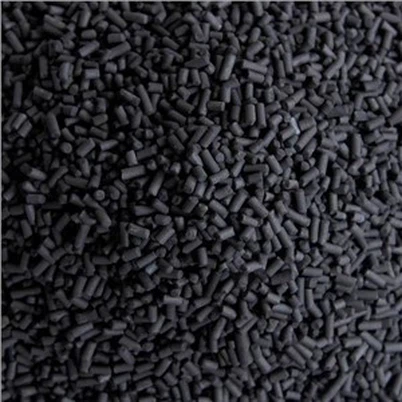
What are the applications of wood - based activated carbon in the beverage industry?
Leave a message

In the beverage industry, the pursuit of purity, clarity, and safety is unending. Wood-based activated carbon has emerged as a crucial player in meeting these standards, offering a range of applications that enhance the quality of various beverages. As a supplier of high - quality wood - based activated carbon, I am excited to delve into the numerous ways this remarkable product is used in the beverage sector.
1. Removal of Impurities and Contaminants
One of the primary applications of wood - based activated carbon in the beverage industry is the removal of impurities and contaminants. Beverages, whether they are fruit juices, soft drinks, or alcoholic beverages, can contain a variety of unwanted substances such as pesticides, heavy metals, and organic pollutants. These contaminants can not only affect the taste and aroma of the beverage but also pose health risks to consumers.
Wood - based activated carbon has a highly porous structure, which provides a large surface area for adsorption. This allows it to effectively trap and remove a wide range of impurities. For example, in the production of fruit juices, pesticides and other chemical residues can be present on the surface of the fruits. When the juice is passed through a bed of wood - based activated carbon, these contaminants are adsorbed onto the carbon surface, leaving the juice cleaner and safer to consume.
In the case of alcoholic beverages like whiskey and vodka, wood - based activated carbon is used to remove unwanted flavors and odors. During the distillation process, some by - products are formed that can give the beverage an unpleasant taste or smell. Activated carbon can selectively adsorb these compounds, resulting in a smoother and more refined product. You can learn more about our Wood - based Activated Carbon powder which is specifically designed for such purification processes.
2. Color Removal
Color is an important aspect of the visual appeal of beverages. Unwanted colors can be present in beverages due to natural pigments, oxidation products, or contaminants. Wood - based activated carbon is an effective tool for color removal.
In the production of sugar syrups used in soft drinks, for instance, the syrup may have a yellowish or brownish color due to the presence of caramelization products or other impurities. By passing the syrup through a column filled with wood - based activated carbon, the colored compounds are adsorbed, resulting in a clear and colorless syrup. This clear syrup can then be used to produce soft drinks with a more appealing appearance.
Similarly, in the wine industry, wood - based activated carbon can be used to adjust the color of wines. Some wines may have an overly intense color, which may not be desirable for certain consumer preferences. Activated carbon can be used to selectively remove some of the color - contributing compounds, giving the wine a more balanced and attractive color. Our Wood - based powder Activated Carbon steam is well - suited for color removal applications, providing a consistent and reliable performance.
3. Clarification of Beverages
Clarity is another key factor in the quality of beverages. Hazy or cloudy beverages are often perceived as being of lower quality. Wood - based activated carbon can play a significant role in clarifying beverages.


In the production of beer, for example, proteins and other colloidal particles can cause haze. These particles can be removed by adding wood - based activated carbon to the beer during the brewing process. The carbon adsorbs the colloidal particles, allowing them to be easily filtered out, resulting in a clear and bright beer.
Fruit juices can also benefit from clarification using wood - based activated carbon. Pectin and other suspended solids can make the juice appear cloudy. By treating the juice with activated carbon, these solids are adsorbed, and the juice can be filtered to achieve a clear and visually appealing product.
4. Adsorption of Aroma Compounds
While the main focus is often on removing unwanted odors and flavors, wood - based activated carbon can also be used to selectively adsorb and retain desirable aroma compounds. In the production of flavored beverages, such as tea - based drinks or fruit - flavored waters, the aroma is a critical component of the product's appeal.
Activated carbon can be used to adsorb and concentrate certain aroma compounds during the manufacturing process. This can help to enhance the overall aroma profile of the beverage. For example, in the production of black tea beverages, activated carbon can be used to adsorb and retain the characteristic tea aroma compounds, ensuring that the final product has a strong and pleasant tea smell.
5. Removal of Chlorine and Chloramines
In many beverage production facilities, water is a key ingredient. Municipal water supplies often contain chlorine or chloramines, which are used as disinfectants. However, these chemicals can have a negative impact on the taste and quality of beverages.
Wood - based activated carbon is highly effective in removing chlorine and chloramines from water. When water is passed through a carbon filter containing wood - based activated carbon, the chlorine and chloramines react with the carbon surface and are reduced to harmless by - products. This ensures that the water used in beverage production is free from these unwanted chemicals, resulting in a better - tasting beverage.
6. Regulatory Compliance
The beverage industry is subject to strict regulations regarding the safety and quality of products. Wood - based activated carbon can help beverage manufacturers meet these regulatory requirements. By removing impurities, contaminants, and unwanted substances, beverages treated with activated carbon are more likely to comply with food safety standards.
For example, regulations may limit the levels of heavy metals, pesticides, and other contaminants in beverages. Using wood - based activated carbon in the production process can help manufacturers reduce these levels to within the acceptable limits, ensuring that their products can be sold in the market without any regulatory issues.
Conclusion
Wood - based activated carbon offers a wide range of applications in the beverage industry, from removing impurities and contaminants to enhancing color, clarity, and aroma. As a supplier of wood - based activated carbon, we are committed to providing high - quality products that meet the diverse needs of the beverage industry.
If you are in the beverage industry and are looking for a reliable and effective solution for your purification, clarification, or aroma - related needs, we invite you to contact us for procurement and further discussions. Our team of experts can help you select the right type of wood - based activated carbon for your specific application.
References
- "Activated Carbon in the Food and Beverage Industry" by J. Smith, published in Food Technology Journal, 2018.
- "Beverage Production and Quality Control" edited by A. Johnson, 2020.
- "The Science of Activated Carbon Adsorption" by R. Brown, Academic Press, 2019.