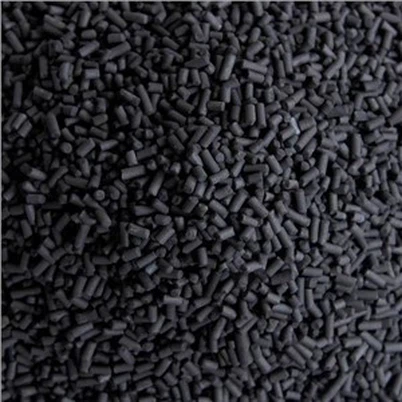
What are the safety precautions when using coal - based activated carbon?
Leave a message

What are the safety precautions when using coal - based activated carbon?
As a supplier of coal - based activated carbon, I understand the importance of ensuring the safe use of our products. Coal - based activated carbon is widely used in various industries, including water treatment, air purification, and chemical processing, due to its excellent adsorption properties. However, like any other industrial product, it requires proper handling and safety precautions to prevent potential hazards.
1. Storage Safety
Proper storage is the first step in ensuring the safe use of coal - based activated carbon. Activated carbon is highly porous and has a large surface area, which makes it prone to adsorbing moisture and other substances from the air.
-
Dry Environment: Store coal - based activated carbon in a dry place. Moisture can reduce its adsorption capacity and may even cause it to clump together. A humidity - controlled warehouse with a relative humidity below 60% is ideal. For example, if the activated carbon is stored in a damp basement, it will quickly absorb water vapor, and its effectiveness in applications such as air purification will be significantly reduced.
-
Separate from Incompatible Substances: Keep coal - based activated carbon away from oxidizing agents, strong acids, and alkalis. These substances can react with activated carbon, leading to chemical reactions that may generate heat, gases, or even cause fires. For instance, if activated carbon comes into contact with concentrated sulfuric acid, a violent exothermic reaction may occur.
-
Proper Packaging: Ensure that the activated carbon is stored in sealed containers or bags. This not only protects it from moisture but also prevents the release of dust. Dust from activated carbon can be a respiratory hazard if inhaled, so it is crucial to minimize its exposure.
2. Handling Safety
When handling coal - based activated carbon, workers should take appropriate safety measures to protect themselves from potential harm.
- Personal Protective Equipment (PPE): Workers should wear appropriate PPE, including dust masks, goggles, and gloves. A dust mask can prevent the inhalation of activated carbon dust, which may cause respiratory problems such as coughing, wheezing, and shortness of breath. Goggles protect the eyes from dust particles, and gloves prevent skin contact, which may cause irritation.
- Avoiding Dust Generation: When transferring or using coal - based activated carbon, try to minimize dust generation. This can be achieved by using enclosed systems or by wetting the activated carbon slightly before handling. For example, in a water treatment plant, when adding activated carbon to a water tank, use a dosing system that can accurately measure and deliver the activated carbon without creating excessive dust.
- Proper Lifting Techniques: Activated carbon is often stored in heavy bags or containers. Workers should use proper lifting techniques to avoid back injuries. This includes bending the knees, keeping the back straight, and using the leg muscles to lift the load.
3. Usage Safety
During the use of coal - based activated carbon, different industries may face different safety challenges.
- Water Treatment: In water treatment plants, activated carbon is used to remove impurities and contaminants from water. When adding activated carbon to water, ensure that the water flow rate is properly adjusted. If the flow rate is too high, the activated carbon may not have enough time to adsorb the contaminants effectively. On the other hand, if the flow rate is too low, it may cause clogging in the filtration system.
- Air Purification: In air purification systems, activated carbon filters are commonly used to remove odors and pollutants from the air. Regular maintenance of these filters is essential. Over time, the filters may become saturated with contaminants, reducing their effectiveness. Replace the filters according to the manufacturer's recommendations to ensure continuous and efficient air purification.
- Chemical Processing: In chemical processing industries, coal - based activated carbon may be used as a catalyst or an adsorbent in chemical reactions. When using activated carbon in chemical processes, strict control of reaction conditions such as temperature, pressure, and reactant concentrations is necessary. Any deviation from the optimal conditions may lead to unexpected reactions or safety hazards.
4. Fire and Explosion Safety
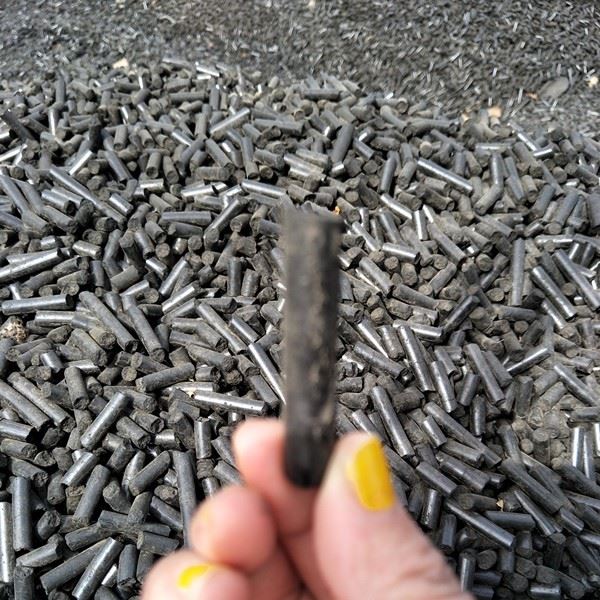
Coal - based activated carbon is combustible, and under certain conditions, it may pose a fire or explosion risk.

-
Preventing Ignition Sources: Keep coal - based activated carbon away from open flames, sparks, and hot surfaces. Smoking should be strictly prohibited in areas where activated carbon is stored or used. Additionally, electrical equipment in these areas should be properly grounded and explosion - proof to prevent electrical sparks from igniting the activated carbon.
-
Ventilation: Adequate ventilation is crucial to prevent the accumulation of combustible dust. In enclosed spaces where activated carbon is handled, install ventilation systems that can effectively remove dust from the air. This reduces the risk of dust explosions, which can occur when a cloud of combustible dust is ignited in a confined space.
-
Firefighting Measures: Make sure that appropriate firefighting equipment is available in areas where coal - based activated carbon is stored or used. Dry chemical extinguishers or carbon dioxide extinguishers are suitable for extinguishing fires involving activated carbon. Water should be used with caution, as it may cause the activated carbon to spread and make the fire worse.
5. Product - Specific Safety
Our company offers a variety of coal - based activated carbon products, each with its own unique characteristics and application scenarios.
- Pellet Activated Carbon for impregnated carbon: This product is often used for impregnation processes to enhance its adsorption properties for specific substances. When using this type of activated carbon, follow the impregnation instructions carefully to ensure that the impregnation process is carried out safely and effectively.
- Special Activated Carbon for Denitrification: In denitrification applications, this activated carbon plays a crucial role in removing nitrogen oxides from exhaust gases. Ensure that the operating conditions of the denitrification system, such as temperature and gas flow rate, are within the recommended range to avoid potential chemical reactions or structural damage to the activated carbon.
- Pellet Activated Carbon for Protection: This product is commonly used for protection purposes, such as in gas masks or protective clothing. Check the integrity of the protective equipment regularly to ensure that the activated carbon is functioning properly and providing adequate protection.
If you are interested in our coal - based activated carbon products or have any questions about their safety and usage, please feel free to contact us for further discussion and procurement negotiations. We are committed to providing high - quality products and professional technical support to meet your specific needs.
References
- ASTM International. (2018). Standard Practices for Sampling Activated Carbon. ASTM D2867 - 18.
- International Labour Organization. (2019). Occupational Safety and Health Guidelines for the Chemical Industry.
- National Fire Protection Association. (2020). NFPA 654: Standard for the Prevention of Fire and Dust Explosions from the Manufacturing, Processing, and Handling of Combustible Particulate Solids.