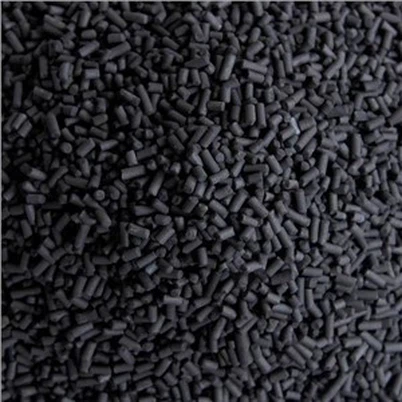
What is the use of coal - based activated carbon in the meat processing industry?
Leave a message

Coal-based activated carbon is a remarkable product with a wide range of applications across various industries. As a trusted supplier of coal-based activated carbon, I've witnessed its diverse uses firsthand. One industry where coal-based activated carbon plays a crucial yet often overlooked role is the meat processing industry. In this blog, we'll explore in depth the significant uses of coal-based activated carbon in meat processing.
Odor Removal
One of the most prominent challenges in the meat processing industry is dealing with strong and often unpleasant odors. The breakdown of proteins and fats during the processing of meat can release a variety of volatile organic compounds (VOCs) and sulfur - containing compounds, which contribute to the foul smell. Coal-based activated carbon is an excellent solution for odor control.
The porous structure of coal-based activated carbon provides a large surface area for adsorption. When air or gas containing odor - causing molecules passes through a bed of coal-based activated carbon, these molecules are attracted to the surface of the carbon pores and held there through a process called adsorption. This effectively reduces the concentration of odor - causing substances in the air, creating a more pleasant working environment for employees and minimizing the impact of odors on the surrounding community.
Our Granular activated carbon water treatment product is particularly well - suited for odor removal applications in meat processing plants. Its granular form allows for efficient gas flow through the carbon bed, ensuring maximum contact between the odor - laden air and the activated carbon surface.
Color and Impurity Removal in Processing Liquids
In meat processing, various liquids are used, such as brines for marinating and solutions for washing and cleaning. These liquids can become contaminated with pigments, suspended solids, and other impurities over time. Coal-based activated carbon can be used to purify these processing liquids.
The activated carbon adsorbs colored compounds and other impurities present in the liquids. For example, during the production of meat extracts or broths, coal-based activated carbon can be added to the liquid. The carbon particles attract and hold onto the unwanted pigments and other organic impurities, leaving behind a clearer and more aesthetically pleasing liquid.
Our High Efficiency Adsorption Activated Carbon is designed to have a high adsorption capacity for a wide range of impurities. It can effectively remove both large and small molecules, making it an ideal choice for purifying meat processing liquids. This not only improves the quality of the final meat products but also helps in recycling and reusing the processing liquids, which is cost - effective and environmentally friendly.
Removal of Residual Chemicals and Toxins
Meat processing involves the use of various chemicals, such as antibiotics, pesticides (if the animals were exposed), and disinfectants. Residual amounts of these chemicals can remain in the meat or the processing environment. Coal-based activated carbon can help in removing these residual chemicals and toxins.
Activated carbon has a high affinity for many organic and inorganic chemicals. It can adsorb antibiotics and pesticides, reducing their concentration in the meat and ensuring that the final products meet food safety standards. In addition, it can also remove disinfectant residues from the processing equipment and water used in the plant.
The Pellet activated carbon gas separation product we offer can be used in systems designed to treat water and air in meat processing facilities. Its pellet form provides a stable and easy - to - handle medium for the adsorption of chemicals and toxins.
Preservation and Shelf - Life Extension
Coal-based activated carbon can also contribute to the preservation of meat products. By removing oxygen, moisture, and other contaminants from the storage environment, it helps to slow down the spoilage process.
Oxygen is one of the main factors that cause meat to deteriorate. It can react with the fats in the meat, leading to oxidation and the development of off - flavors and rancidity. Activated carbon can adsorb oxygen molecules, reducing the oxygen concentration in the storage area and thus extending the shelf life of the meat.
Moisture is another factor that promotes the growth of bacteria and mold on meat. Coal-based activated carbon can adsorb excess moisture from the air, creating a drier environment that is less conducive to microbial growth. This helps to keep the meat fresh for a longer period.
Quality Improvement of Meat Products
In addition to the above functions, coal-based activated carbon can also play a role in improving the overall quality of meat products. For example, in the production of high - end meat products such as cured meats and smoked meats, activated carbon can be used to refine the flavor and aroma of the final products.
By removing unwanted odors and off - flavors during the processing, the natural flavor of the meat can be better preserved and enhanced. Activated carbon can also be used to adsorb some of the impurities in the smoke used for smoking meat, resulting in a cleaner and more consistent flavor of the smoked meat.
Why Choose Our Coal - Based Activated Carbon?
As a supplier, we take pride in offering high - quality coal - based activated carbon products. Our products are made from carefully selected coal sources and processed using advanced manufacturing techniques. This ensures that our activated carbon has a high surface area, a well - developed pore structure, and excellent adsorption properties.
We also provide customized solutions to meet the specific needs of meat processing plants. Whether you need a product for odor removal, liquid purification, or chemical adsorption, we can recommend the most suitable type of coal - based activated carbon for your application.
Conclusion
In conclusion, coal - based activated carbon has a multitude of uses in the meat processing industry. From odor removal and liquid purification to chemical adsorption and product preservation, it plays an essential role in ensuring the quality, safety, and efficiency of meat processing operations.


If you are a meat processing plant looking for a reliable solution for odor control, liquid purification, or other related needs, we invite you to contact us to discuss your requirements. Our team of experts is ready to provide you with detailed information and guidance on choosing the right coal - based activated carbon product for your specific application. Let us work together to improve the quality and efficiency of your meat processing operations.
References
- "Activated Carbon: Adsorption Technology and Applications" by S. K. Bhattacharyya
- "Food Processing Technology: Principles and Practice" by P. J. Fellows