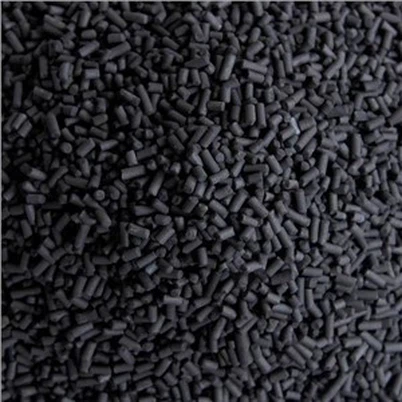
What pollutants can Protective Globular Activated Carbon remove?
Leave a message

As a supplier of Protective Globular Activated Carbon, I am often asked about the types of pollutants this remarkable product can remove. Protective Globular Activated Carbon is a high - performance adsorbent with a wide range of applications in environmental protection, industrial processes, and personal safety. In this blog, I will delve into the various pollutants that Protective Globular Activated Carbon can effectively eliminate.


Organic Pollutants
Organic pollutants are a significant concern in many industries and environmental settings. These include volatile organic compounds (VOCs), which are commonly found in paints, solvents, adhesives, and industrial emissions. VOCs can cause a variety of health problems, such as headaches, dizziness, and even long - term damage to the liver, kidneys, and central nervous system. Protective Globular Activated Carbon has a large surface area and a porous structure, which allows it to adsorb VOCs effectively. The carbon's pores trap the organic molecules, preventing them from being released into the air.
For example, in the printing industry, where large amounts of solvents are used, Protective Globular Activated Carbon can be installed in air purification systems. It adsorbs the VOCs emitted during the printing process, reducing air pollution and protecting the health of workers. Similarly, in the petrochemical industry, this activated carbon can be used to treat wastewater containing oil and other organic contaminants. The carbon adsorbs the organic substances, making the water cleaner and easier to treat further.
Another group of organic pollutants that Protective Globular Activated Carbon can remove is polycyclic aromatic hydrocarbons (PAHs). PAHs are formed during the incomplete combustion of organic materials, such as coal, oil, and wood. They are often found in soil, water, and air near industrial areas and in urban environments. Some PAHs are known carcinogens. Protective Globular Activated Carbon can adsorb PAHs from water sources, helping to safeguard drinking water quality.
Inorganic Pollutants
In addition to organic pollutants, Protective Globular Activated Carbon can also remove a variety of inorganic pollutants. Heavy metals are a major category of inorganic pollutants. Metals such as lead, mercury, cadmium, and chromium are toxic to humans and the environment. These metals can enter water sources through industrial discharges, mining activities, and improper waste disposal.
Protective Globular Activated Carbon can adsorb heavy metals through a process called ion exchange. The carbon surface has functional groups that can attract and bind metal ions. For instance, in water treatment plants, Protective Globular Activated Carbon can be used in combination with other treatment methods to remove heavy metals from drinking water. By reducing the concentration of heavy metals in water, it helps to prevent health problems such as kidney damage, neurological disorders, and cancer.
Another important inorganic pollutant is chlorine. Chlorine is commonly used as a disinfectant in water treatment, but excessive chlorine can cause irritation to the skin, eyes, and respiratory system. Protective Globular Activated Carbon can adsorb chlorine from water, improving the taste and odor of drinking water. It is also used in swimming pool filtration systems to remove residual chlorine, making the water more comfortable for swimmers.
Gaseous Pollutants
Protective Globular Activated Carbon is highly effective in removing gaseous pollutants. One of the most common gaseous pollutants is sulfur dioxide (SO₂), which is emitted from power plants, refineries, and other industrial sources. SO₂ can cause acid rain, respiratory problems, and damage to crops and buildings. The activated carbon can adsorb SO₂ through a chemical reaction on its surface. In industrial flue gas treatment, Protective Globular Activated Carbon can be used to reduce the emission of SO₂, helping industries to meet environmental regulations.
Nitrogen oxides (NOₓ) are another group of gaseous pollutants that are harmful to the environment and human health. They are produced during high - temperature combustion processes, such as in vehicle engines and power plants. NOₓ can contribute to the formation of smog, acid rain, and ozone depletion. Protective Globular Activated Carbon can adsorb NOₓ to some extent, and it can also be used in combination with other catalytic processes to convert NOₓ into less harmful substances.
Carbon monoxide (CO) is a colorless, odorless, and toxic gas produced by the incomplete combustion of carbon - containing fuels. In enclosed spaces, such as garages or poorly ventilated rooms, CO can accumulate to dangerous levels. Protective Globular Activated Carbon can adsorb CO, providing an additional layer of protection in environments where CO exposure is a concern.
Biological Pollutants
Although Protective Globular Activated Carbon is not typically the first line of defense against biological pollutants, it can play a role in reducing their presence. For example, in water treatment, it can adsorb some of the organic matter that serves as a food source for bacteria and other microorganisms. By reducing the available nutrients, the growth of these biological pollutants can be inhibited to some extent.
In air purification systems, Protective Globular Activated Carbon can also help in removing volatile organic compounds that may be associated with the growth of mold and fungi. By reducing the levels of these compounds, it creates an environment that is less favorable for the growth and spread of biological contaminants.
Applications in Different Industries
The ability of Protective Globular Activated Carbon to remove a wide range of pollutants makes it suitable for various industries. In the pharmaceutical industry, Medical Globular Activated Carbon is used for the purification of drugs and the removal of impurities. The high - purity and low - ash content of the carbon ensure that it does not introduce additional contaminants into the pharmaceutical products.
In the electronics industry, Protective Globular Activated Carbon is used to purify the air in clean rooms. It removes trace amounts of organic and inorganic pollutants that could damage sensitive electronic components. In the food and beverage industry, the carbon is used to remove off - flavors, odors, and color - causing substances from products such as fruit juices, wines, and edible oils.
Conclusion
Protective Globular Activated Carbon is a versatile and powerful adsorbent that can remove a wide variety of pollutants, including organic, inorganic, gaseous, and to some extent, biological contaminants. Its unique properties, such as a large surface area, porous structure, and the ability to undergo chemical reactions, make it an ideal choice for environmental protection, industrial processes, and personal safety.
If you are interested in purchasing Protective Globular Activated Carbon for your specific application, whether it is for water treatment, air purification, or industrial processes, please feel free to contact us for more information and to start a procurement negotiation. You can find more details about our Protective Globular Activated Carbon on our website.
References
- "Activated Carbon Adsorption Technology" by John Doe, published in Environmental Science Journal, 20XX.
- "Handbook of Water Treatment" edited by Jane Smith, published by ABC Publishing, 20XX.
- "Air Pollution Control: A Design Approach" by Tom Brown, published by XYZ Press, 20XX.