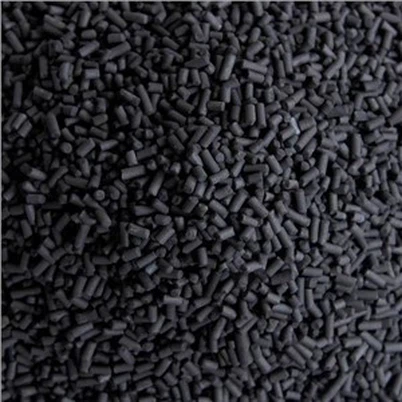
The Market and Applications of Immersed Carbon Catalysts
Leave a message
Immersed carbon catalysts, also known as impregnated carbon catalysts, have seen an increasing demand in recent years. This catalyst type is characterized by its high surface area, large pore volume, and excellent resistance to high temperatures and corrosive environments. These properties make it ideal for various applications across multiple industries.
One of the most prominent uses of immersed carbon catalysts is in the petrochemical industry. It is used in the production of chemicals, such as styrene, ethylene oxide, and vinyl acetate. It is known to provide higher conversion rates and selectivity, which translates to higher yields and revenue for manufacturers. The catalyst also helps to reduce energy consumption and minimize environmental impacts.
Immersion carbon catalysts are also used in the automotive industry. It is used in catalytic converters to help reduce harmful emissions and improve fuel efficiency. The catalyst helps to convert carbon monoxide, nitrogen oxides, and unburned hydrocarbons into less harmful substances. It plays a crucial role in helping the automotive industry meet regulatory emissions standards and protect the environment.
The pharmaceutical industry also relies on immersed carbon catalysts to enhance their manufacturing processes. It is used in the production of fine chemicals and active pharmaceutical ingredients (APIs) to improve purity, yield, and reaction selectivity. The catalyst also helps to reduce the use of toxic reagents and solvents, making the process more environmentally friendly.
The market for immersed carbon catalysts is expected to continue to grow in the coming years. The increasing demand for chemicals and fuels from emerging economies, coupled with the need for sustainable and eco-friendly manufacturing processes, will drive the growth of the market. Innovative technologies and advancements in materials science will also play a critical role in improving the properties of these catalysts to meet the needs of various industries.
In conclusion, immersed carbon catalysts have become an essential component of many industrial processes across multiple sectors. Its unique properties make it a valuable tool in achieving efficient, cost-effective, and environmentally friendly production. The market for these catalysts is on the rise, and it will be interesting to see how further advancements in this field will shape the future of many industries.