Does the particle size of activated carbon matter?
Leave a message

Does the Particle Size of Activated Carbon Matter?
As a seasoned supplier of activated carbon, I've fielded countless inquiries about the diverse properties of this remarkable material. One question that frequently surfaces is whether the particle size of activated carbon truly matters. The short answer is a resounding yes. Particle size plays a pivotal role in determining the performance, efficiency, and suitability of activated carbon for various applications. In this blog, I'll delve into the significance of particle size, exploring how it influences different aspects of activated carbon's functionality and why it's a critical consideration for anyone in the market for this versatile product.
Understanding Activated Carbon and Its Particle Sizes
Activated carbon, also known as activated charcoal, is a highly porous material with a large surface area. This unique structure allows it to adsorb a wide range of impurities, making it an indispensable tool in water purification, air filtration, gas separation, and many other industries. Activated carbon comes in various forms, including powder, granular, and extruded, each with distinct particle sizes.
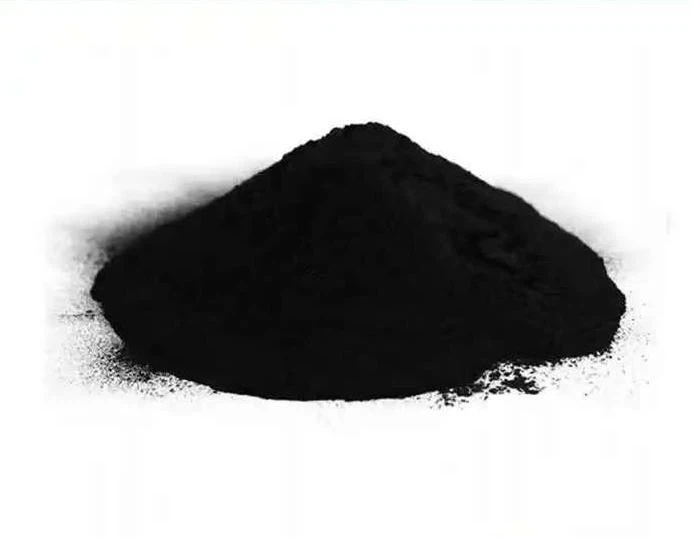
Powdered activated carbon (PAC) consists of fine particles, typically less than 0.18 mm in diameter. Its small size provides a large external surface area, enabling rapid adsorption kinetics. PAC is often used in applications where quick treatment and high adsorption capacity are required, such as in water treatment plants for the removal of organic contaminants, taste, and odor.
Granular activated carbon (GAC) has larger particles, usually ranging from 0.5 to 4 mm. The increased particle size provides lower pressure drop and better flow characteristics, making GAC suitable for fixed-bed applications, such as in gravity filters, pressure vessels, and columns. GAC is commonly used for water and air purification, as well as in the separation and recovery of valuable compounds.
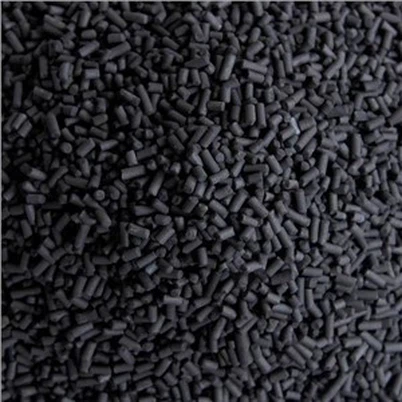
Extruded activated carbon (EAC) is produced by compressing activated carbon powder with a binder and extruding it into various shapes, such as pellets or cylinders. EAC combines the advantages of both PAC and GAC, offering high adsorption capacity, mechanical strength, and low-pressure drop. It is often used in applications where high-performance and long service life are required, such as in gas masks, air purifiers, and industrial gas treatment systems.
Impact of Particle Size on Adsorption Performance
The particle size of activated carbon has a significant impact on its adsorption performance. The smaller the particle size, the larger the external surface area and the faster the adsorption rate. This is because smaller particles provide more sites for contaminants to interact with the activated carbon surface, allowing for quicker and more efficient adsorption.
In water treatment applications, for example, PAC is often preferred over GAC for the removal of rapidly reacting contaminants, such as taste and odor compounds, due to its high surface area and fast adsorption kinetics. PAC can be added directly to the water, where it quickly adsorbs the contaminants and is then removed by sedimentation or filtration.
On the other hand, GAC is better suited for the removal of slowly reacting contaminants, such as heavy metals and organic pollutants, due to its large pore volume and long diffusion path. GAC is typically used in fixed-bed filters, where the water passes through the carbon bed over an extended period, allowing for the gradual adsorption of contaminants.

The choice between PAC and GAC also depends on the specific application and the desired treatment efficiency. In some cases, a combination of both PAC and GAC may be used to achieve optimal results. For example, PAC can be used for the initial rapid removal of contaminants, followed by GAC for the final polishing and long-term treatment.
Influence of Particle Size on Pressure Drop and Flow Characteristics
Another important consideration when selecting activated carbon is the pressure drop and flow characteristics. The pressure drop is the difference in pressure between the inlet and outlet of a carbon bed and is a measure of the resistance to flow. A high-pressure drop can reduce the efficiency of the system and increase the energy consumption.
The particle size of activated carbon has a direct impact on the pressure drop and flow characteristics. Smaller particles have a higher surface area and a more tortuous flow path, resulting in a higher pressure drop. Larger particles, on the other hand, have a lower surface area and a more direct flow path, resulting in a lower pressure drop.
In applications where a low-pressure drop is required, such as in large-scale water treatment plants or industrial gas purification systems, GAC or EAC is often preferred over PAC. The larger particles of GAC and EAC provide a more open structure, allowing for better flow and lower pressure drop.
However, in applications where high adsorption capacity and rapid treatment are the primary concerns, such as in small-scale water filters or air purifiers, PAC may be used despite its higher pressure drop. In these cases, the trade-off between adsorption performance and pressure drop is carefully considered to ensure the optimal design and operation of the system.
Application-Specific Considerations
The choice of activated carbon particle size also depends on the specific application and the characteristics of the contaminants to be removed. Different applications have different requirements in terms of adsorption capacity, kinetics, pressure drop, and selectivity.
In water treatment, for example, the particle size of activated carbon is selected based on the type and concentration of contaminants in the water, as well as the treatment process and the desired water quality. For the removal of organic contaminants, such as pesticides, herbicides, and pharmaceuticals, PAC is often used due to its high surface area and fast adsorption kinetics. For the removal of heavy metals, such as lead, mercury, and cadmium, GAC or EAC may be preferred due to their larger pore volume and better selectivity.
In air purification, the particle size of activated carbon is selected based on the type and concentration of pollutants in the air, as well as the ventilation rate and the desired air quality. For the removal of volatile organic compounds (VOCs), such as benzene, toluene, and xylene, GAC or EAC is often used due to their high adsorption capacity and long service life. For the removal of odors and malodorous compounds, PAC may be used due to its fast adsorption kinetics and ability to quickly neutralize the odors.
In the medical field, Medical Globular Activated Carbon is a specialized type of activated carbon that is used for the treatment of poisoning and drug overdose. The spherical shape and small particle size of medical globular activated carbon provide a high surface area and fast adsorption kinetics, allowing for rapid and effective removal of toxins from the body.
In the gold recycling industry, XH Gold Recycling Carbon is a unique type of activated carbon that is specifically designed for the recovery of gold from cyanide solutions. The large pore volume and high adsorption capacity of XH gold recycling carbon allow for efficient adsorption and desorption of gold, making it an ideal choice for gold mining and refining operations.
In the food and beverage industry, Wood Activated Carbon Powder is commonly used for the purification and decolorization of liquids, such as sugar solutions, fruit juices, and alcoholic beverages. The high surface area and fine particle size of wood activated carbon powder provide excellent adsorption performance and can effectively remove impurities, colorants, and odors from the liquids.
Conclusion
In summary, the particle size of activated carbon matters significantly and plays a crucial role in determining its performance, efficiency, and suitability for various applications. The choice of particle size depends on a variety of factors, including the specific application, the characteristics of the contaminants to be removed, the treatment process, and the desired performance.
As a leading supplier of activated carbon, we offer a wide range of products with different particle sizes and properties to meet the diverse needs of our customers. Whether you're looking for PAC for rapid treatment, GAC for long-term purification, or EAC for high-performance applications, we have the right solution for you.
If you're interested in learning more about our activated carbon products or have any questions about particle size and its impact on performance, please don't hesitate to contact us. Our team of experts is here to provide you with the information and support you need to make the best decision for your application. We look forward to working with you and helping you achieve your treatment goals.
References
- "Activated Carbon: Science and Technology" by Pierre-Louis Dumont, Géraldina Bérubé, and Didier Morvan
- "Water Treatment Unit Processes: Physical and Chemical" by David W. Hendricks
- "Air Pollution Control: A Design Approach" by Neil A. Holt