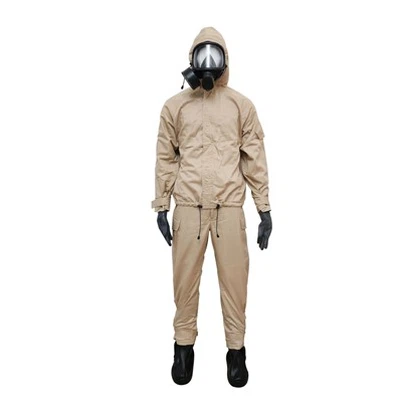
Are chemical suits reusable?
Leave a message

Are chemical suits reusable? This is a question that often comes up in industries where the use of chemical suits is crucial for worker safety. As a supplier of high-quality chemical suits, I've encountered this query from numerous customers. Let's dive into the factors that determine whether chemical suits can be reused and the best practices in this regard.
Understanding Chemical Suits
Before discussing their reusability, it's essential to understand the types of chemical suits available. There are different levels of protection, and each type is designed to safeguard against specific chemicals and hazards. For instance, Totally Enclosed Chemical Suit provides a high level of protection by completely enclosing the wearer. These suits are often used in situations where there is a high risk of exposure to dangerous chemicals. On the other hand, CBRN Protective Chemical Suit is designed to protect against chemical, biological, radiological, and nuclear threats.
Factors Affecting Reusability
Chemical Exposure
The nature of the chemicals the suit has been exposed to is a primary factor. Some chemicals can cause immediate degradation of the suit material. For example, strong acids or solvents may weaken the fabric or the seams of the suit. If a suit has been in contact with highly corrosive chemicals, it may not be safe to reuse as the integrity of the protective barrier could be compromised. Even if the suit appears undamaged on the surface, there could be microscopic damage that makes it less effective in future use.
Duration of Exposure
The length of time the suit was worn during chemical exposure also matters. A short exposure to a relatively mild chemical may not cause significant damage, and the suit may be reusable after proper cleaning. However, a long - term exposure to any chemical, even a less aggressive one, can increase the likelihood of absorption and degradation of the suit material.
Physical Damage
Inspecting the suit for physical damage is crucial. Tears, punctures, or abrasions can significantly reduce the suit's protective capabilities. Even a small hole can allow chemicals to penetrate and reach the wearer's skin. If a suit has visible physical damage, it should not be reused, as it no longer provides the necessary protection.
Contamination Level
The degree of contamination on the suit is another important consideration. If the suit is only lightly contaminated, it may be possible to clean it thoroughly and reuse it. However, if the suit is heavily contaminated, especially with persistent or biohazardous substances, it may be safer to dispose of it. Some contaminants can be extremely difficult to remove, and there is always a risk of residual contamination that could pose a threat to the wearer.
Cleaning and Decontamination
If a chemical suit passes the initial inspection for chemical exposure, physical damage, and contamination level, proper cleaning and decontamination are essential for reuse.
The cleaning process should follow specific guidelines. First, remove any loose debris from the suit by brushing or shaking it gently in a well - ventilated area. Then, use a mild detergent and warm water to wash the suit. It's important to avoid using harsh chemicals or abrasive cleaners, as these can damage the suit material.
After washing, rinse the suit thoroughly to remove all traces of the detergent. The suit should then be dried in a clean, dry, and well - ventilated area, away from direct sunlight and heat sources. Sunlight and high temperatures can cause the suit material to degrade over time.


Some suits may require specialized decontamination methods. For example, suits that have been exposed to biological agents may need to be disinfected using a suitable disinfectant. It's important to follow the manufacturer's recommendations for decontamination to ensure the suit remains effective.
Testing and Inspection
Even after cleaning and decontamination, it's crucial to test and inspect the suit before reuse. Visual inspection should be done to check for any signs of damage that may have occurred during the cleaning process. The suit should also be tested for its integrity. This can involve inflating the suit and checking for air leaks.
Some advanced testing methods may be required for suits that have been exposed to certain chemicals. For example, chemical analysis can be done to ensure that there are no residual contaminants on the suit. If the suit fails any of these tests, it should not be reused.
Reusability Considerations for Different Types of Chemical Suits
Totally Enclosed Chemical Suit
These suits are often used in high - risk environments, and the reusability can be more restricted. Due to the high level of protection they provide, even a minor compromise in the suit's integrity can be extremely dangerous. These suits should be inspected very carefully after each use, and the cleaning and decontamination process should be carried out with the highest level of precision.
CBRN Protective Chemical Suit
Suits designed for CBRN protection are also subject to strict reusability rules. Given the nature of the threats they protect against, any residual contamination or damage can have severe consequences. These suits may require specialized decontamination facilities and testing equipment to ensure safe reuse.
Protective Suit
This type of protective suit offers a more general level of protection. Depending on the nature of the chemical exposure and the physical condition of the suit, it may be more likely to be reusable. However, the same principles of cleaning, inspection, and testing still apply.
The Bottom Line
In conclusion, whether a chemical suit is reusable depends on multiple factors. While it is possible to reuse some chemical suits under the right conditions, it is a decision that should not be taken lightly. Chemical suit users and employers must follow strict protocols for inspection, cleaning, and testing to ensure the safety of the wearer.
As a chemical suit supplier, I understand the importance of providing high - quality products and accurate information. If you are unsure about the reusability of your chemical suits or need advice on which type of suit to choose for your specific application, we are here to help. Reach out to us to discuss your chemical suit needs, and let's work together to ensure the safety of your workers in hazardous environments.
References
- ASTM International Standards on Chemical Protective Clothing
- OSHA Guidelines for Chemical Suit Use and Reuse
- Manufacturer's Manuals for Chemical Suits