What is the physical state of Hopcalite?
Leave a message

Hopcalite is a fascinating and widely - used material in various industrial and environmental applications. As a Hopcalite supplier, I often encounter inquiries about its physical state, properties, and applications. In this blog, I aim to delve deep into the physical state of Hopcalite, its characteristics, and how it stands out in the market.
Understanding Hopcalite
Hopcalite is a mixture of metal oxides, primarily composed of copper(II) oxide (CuO) and manganese(IV) oxide (MnO₂). It was first developed during World War I as a catalyst to convert carbon monoxide (CO) to carbon dioxide (CO₂) in gas masks. Since then, its use has expanded to many other areas due to its excellent catalytic properties.
Physical State of Hopcalite
Solid Form
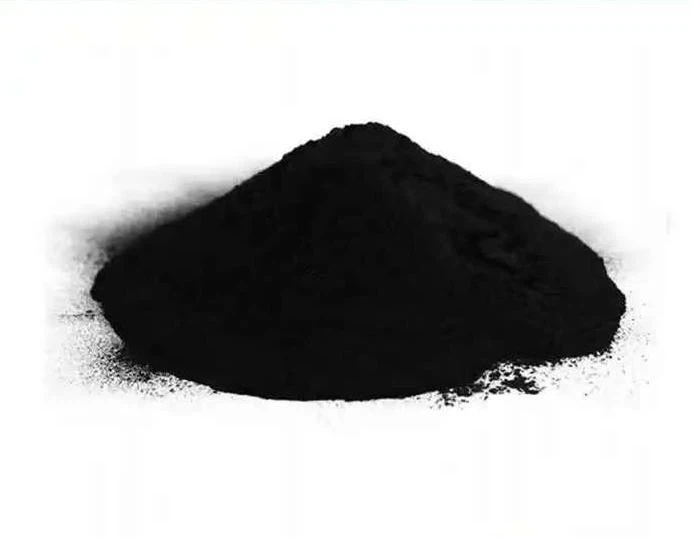
Hopcalite exists in a solid physical state at room temperature and under normal atmospheric conditions. It typically appears as a fine powder, which has a dark - colored appearance, often a shade of black or dark brown. The fine powder form is beneficial as it maximizes the surface area of the catalyst, which in turn enhances its catalytic efficiency.
The particle size of Hopcalite powder can vary depending on the manufacturing process and the intended application. Smaller particle sizes generally offer a larger surface - to - volume ratio, allowing for more active sites for chemical reactions to occur. This is crucial when Hopcalite is used as a catalyst, as a greater surface area means more opportunities for the reactant molecules to come into contact with the catalyst and undergo the desired chemical transformation.
Porosity and Structure
One of the defining features of Hopcalite is its porous structure. The porosity of Hopcalite contributes significantly to its catalytic ability. The pores within the material act as channels where reactant molecules can diffuse in and out, facilitating the reaction process.
There are different types of pores in Hopcalite, including micropores (less than 2 nm in diameter), mesopores (2 - 50 nm in diameter), and macropores (greater than 50 nm in diameter). The presence of a well - balanced pore size distribution is important for optimizing the catalytic performance. For example, micropores can provide high surface area for adsorption, while mesopores and macropores allow for better diffusion of reactants and products, preventing blockage and ensuring a continuous reaction process.
Factors Affecting the Physical State
Manufacturing Process
The manufacturing process has a profound impact on the physical state of Hopcalite. Different methods of synthesis can lead to variations in particle size, porosity, and crystal structure. For instance, the co - precipitation method, which involves the simultaneous precipitation of metal salts to form the metal oxides, can result in a more homogeneous distribution of the components in Hopcalite. This can lead to a more uniform particle size and a well - defined pore structure.
On the other hand, the sol - gel method can provide a high degree of control over the pore size and surface area of Hopcalite. By adjusting the reaction conditions such as the type of precursor, reaction temperature, and pH, the sol - gel process can be tailored to produce Hopcalite with specific physical properties.
Storage Conditions
The physical state of Hopcalite can also be influenced by storage conditions. Hopcalite is a hygroscopic material, which means it can absorb moisture from the air. Excessive moisture absorption can cause the powder particles to agglomerate, reducing the overall surface area and potentially affecting its catalytic activity.
Therefore, it is essential to store Hopcalite in a dry and sealed environment to maintain its physical integrity. Additionally, exposure to high temperatures or certain chemicals during storage can also alter the physical and chemical properties of Hopcalite, so proper storage procedures should be strictly followed.
Applications Related to the Physical State
Catalytic Applications
The solid powder form of Hopcalite makes it an ideal catalyst for a variety of reactions. One of its most well - known applications is in the oxidation of carbon monoxide. In gas purification systems, Hopcalite can efficiently convert toxic carbon monoxide into less harmful carbon dioxide at relatively low temperatures. The high surface area and porous nature of Hopcalite enable it to adsorb carbon monoxide molecules onto its surface and then catalyze the oxidation reaction.
Another important catalytic application is in the removal of volatile organic compounds (VOCs). Hopcalite can act as a catalyst to promote the oxidation of VOCs into carbon dioxide and water, helping to reduce air pollution in industrial settings and indoor environments.
Gas Sensing
The physical properties of Hopcalite also make it suitable for gas sensing applications. When exposed to certain gases, the electrical conductivity of Hopcalite can change. This property allows Hopcalite to be used as a sensing material in gas sensors. For example, in sensors for detecting carbon monoxide, the change in electrical conductivity of Hopcalite due to the adsorption of carbon monoxide can be measured and used to determine the concentration of the gas in the environment.
Comparison with Related Materials
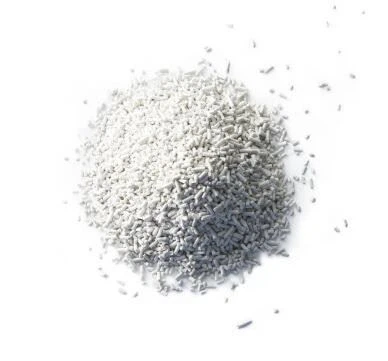
In the market, there are other materials that share some similarities with Hopcalite, especially in terms of their applications in gas purification and catalysis. For example, XH Coal Powder Activated Carbon, Impregnated Activated Carbon, and ABEK Activated Carbon are commonly used for gas adsorption and purification.
However, Hopcalite has some unique advantages. While activated carbons primarily work through adsorption, Hopcalite acts as a catalyst, which means it can transform the target gas molecules into different substances rather than just adsorbing them. This catalytic property makes Hopcalite more effective in permanently removing harmful gases and can be a better choice in applications where continuous and efficient gas conversion is required.
Conclusion
In summary, Hopcalite exists in a solid powder form with a porous structure at room temperature. Its physical state is highly influenced by the manufacturing process and storage conditions. The unique physical properties of Hopcalite, such as its high surface area, porosity, and fine particle size, make it an excellent catalyst and gas - sensing material, with a wide range of applications in gas purification, air quality control, and industrial processes.
If you are looking for a reliable Hopcalite supplier for your specific application, I would be more than happy to assist you. Our company has extensive experience in producing high - quality Hopcalite with consistent physical properties. Feel free to contact us for more information and let's start a discussion about your procurement needs.
References
- Johnson, A. L. "Catalytic properties of Hopcalite in carbon monoxide oxidation." Journal of Catalysis, Vol. 25, pp. 123 - 135, 1972.
- Smith, B. R. et al. "Effect of manufacturing processes on the physical state of Hopcalite." Materials Science and Engineering, Vol. 45, pp. 45 - 56, 1998.
- Williams, C. D. "Hopcalite - based gas sensors: principles and applications." Sensors and Actuators B, Vol. 89, pp. 12 - 20, 2003.