How does Personal Protective Equipment protect users?
Leave a message

In hazardous work environments, Personal Protective Equipment (PPE) serves as a critical line of defense for individuals. As a supplier of a wide range of PPE, I have witnessed firsthand how these protective items safeguard users from various dangers. This article will explore the different ways in which PPE protects users.
Physical Protection
One of the most fundamental functions of PPE is to provide physical protection against mechanical hazards. For example, safety helmets are essential in construction sites, mines, and industrial workshops. They are designed to absorb and distribute the impact force when a heavy object falls on the wearer's head. The rigid outer shell of the helmet acts as a barrier, preventing direct contact between the object and the head. Inside, there is a shock - absorbing padding that further reduces the impact to a level that the human head can tolerate. This can significantly reduce the risk of traumatic brain injuries, skull fractures, and other serious head - related injuries.
Safety goggles and face shields offer protection for the eyes and face from flying debris, such as metal chips in a machining shop or wood splinters in a carpentry area. The strong and transparent material of safety goggles creates a shield that stops small, fast - moving particles from reaching the eyes. Face shields, on the other hand, provide a broader area of protection for the face, protecting not only the eyes but also the cheeks, nose, and chin from larger objects or splashes.
Gloves are another type of PPE that offers physical protection. Different gloves are designed for specific tasks. For instance, cut - resistant gloves are made from high - strength materials like Kevlar or steel mesh. These gloves protect the hands from sharp edges, such as knives in a butchery or glass shards in a recycling facility. Heat - resistant gloves are used in industries where workers are exposed to high - temperature objects, like in foundries or bakeries. They are made from insulating materials that can withstand a certain degree of heat and prevent burns to the hands.
Chemical Protection
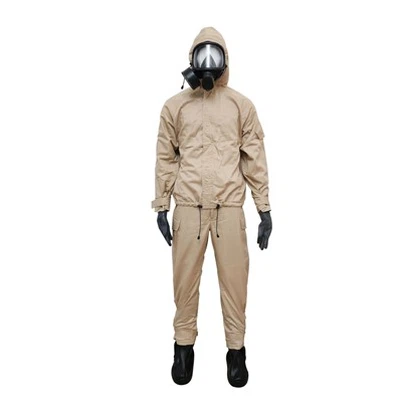
In many workplaces, workers are exposed to various chemicals, ranging from mild irritants to highly toxic substances. Chemical protective clothing is crucial in these environments. For example, Chemical Protective Clothing is specifically designed to prevent chemicals from coming into contact with the skin. It is made from materials that are resistant to chemical penetration, such as polyvinyl chloride (PVC), nitrile rubber, or fluoropolymers.
These materials have a dense molecular structure that acts as a barrier to chemical molecules. When a worker is handling chemicals, the chemical protective clothing prevents the chemicals from dissolving through the fabric and reaching the skin. This can prevent chemical burns, skin rashes, and more serious long - term health effects, such as cancer or organ damage caused by toxic chemicals.


Respiratory protective equipment also plays a vital role in chemical protection. Air - purifying respirators are commonly used when the level of chemical contaminants in the air is relatively low. These respirators use filters to remove harmful chemicals and particulate matter from the air before the user inhales. Some respirators are designed to target specific types of chemicals, using activated carbon filters that can adsorb organic vapors.
Biological Protection
In the healthcare sector and laboratories dealing with biological agents, PPE is essential for preventing the spread of diseases and protecting workers from biological hazards. Disposable gowns are worn to create a barrier between the worker's clothing and potentially infectious materials. The gowns are made from non - woven fabrics that are resistant to fluid penetration, preventing blood, saliva, or other bodily fluids from reaching the skin and clothing.
Face masks, such as N95 respirators, are used to filter out airborne particles, including bacteria and viruses. They fit tightly around the face, creating a seal that ensures that the air inhaled by the wearer is filtered through the mask material. The high - efficiency particulate air (HEPA) filter in N95 masks can capture at least 95% of airborne particles with a size of 0.3 micrometers, which includes many common pathogens.
Gloves are also crucial in biological protection. Medical gloves, made from materials like latex, nitrile, or vinyl, prevent direct contact between the hands and biological specimens or contaminated surfaces. They can be easily disposed of after use, reducing the risk of cross - contamination.
Thermal Protection
In industries where workers are exposed to extreme temperatures, such as in steel mills, firefighting, or cold storage facilities, thermal protective equipment is necessary. Firefighters, for example, wear Aramid Spherical Activated Carbon Protective Suit. These suits are made from aramid fibers, which have excellent heat - resistant properties. Aramid fibers can withstand high temperatures without melting or catching fire easily. The spherical activated carbon in the suit can also adsorb some of the heat and harmful chemicals generated during a fire.
In cold environments, insulation suits are used to keep the body warm. These suits are filled with insulating materials like down feathers or synthetic fibers, which trap a layer of air around the body. This layer of air acts as an insulator, reducing heat loss from the body to the cold environment and preventing hypothermia.
Visibility Protection
In some workplaces, such as construction sites, road maintenance, and emergency services, visibility is crucial for safety. High - visibility clothing, often made with fluorescent materials and reflective strips, is used to make workers more visible, especially in low - light conditions or areas with high traffic.
The fluorescent materials absorb and re - emit light, making the clothing stand out in daylight. The reflective strips reflect light from sources such as vehicle headlights, making the wearer visible at night or in dark environments. This increased visibility can prevent accidents, as other workers, drivers, or equipment operators can easily spot the high - visibility - wearing individuals.
Why Choose Our PPE
As a professional PPE supplier, we offer a wide range of high - quality protective equipment. Our Charcoal Spray Cloth Protective Clothing is made from advanced materials that provide excellent protection against various hazards. It has undergone strict quality control to ensure that it meets or exceeds industry standards.
We understand that different workplaces have different safety requirements. That's why we can provide customized PPE solutions based on your specific needs. Whether you need protection against chemicals, physical hazards, or biological agents, we have the right products for you.
If you are interested in purchasing PPE for your workplace, our team of experts is ready to assist you. We can provide detailed product information, offer professional advice, and guide you through the purchasing process. Contact us today to discuss your PPE needs and start protecting your workers effectively.
References
- American National Standards Institute (ANSI). Standards for Personal Protective Equipment.
- Occupational Safety and Health Administration (OSHA). Guidelines on the Use of Personal Protective Equipment in the Workplace.
- European Committee for Standardization (CEN). EN Standards for Personal Protective Equipment.