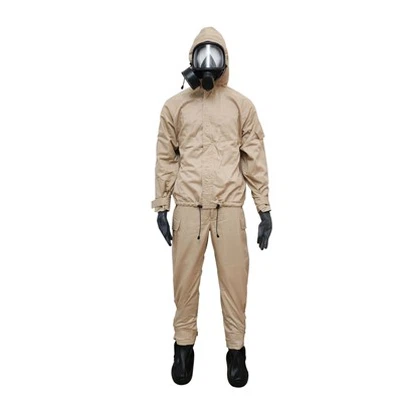
What is the pressure gauge reading when a Fire Air Breathing Apparatus is full?
Leave a message

As a supplier of Fire Air Breathing Apparatus, I've encountered numerous inquiries from customers about the pressure gauge reading when the apparatus is full. This is a crucial aspect, as it directly relates to the safety and effectiveness of firefighting operations. In this blog, I'll delve into the details of what the pressure gauge reading should be when a Fire Air Breathing Apparatus is full, and why it matters.
Understanding the Fire Air Breathing Apparatus
Fire Air Breathing Apparatus is a vital piece of equipment for firefighters and other rescue personnel. It provides a supply of breathable air in environments where the ambient air is contaminated or lacking in oxygen. The apparatus typically consists of a high - pressure air cylinder, a pressure regulator, a demand valve, and a face mask.
The high - pressure air cylinder is the heart of the system, storing compressed air. The pressure gauge is attached to the cylinder to indicate the remaining air pressure. This reading is essential as it allows the user to know how much air is available and plan their operations accordingly.

What is the Typical Full - Cylinder Pressure Reading?
The standard pressure for a full Fire Air Breathing Apparatus cylinder can vary depending on the type of cylinder and the design of the apparatus. However, most commonly, the pressure reading when the cylinder is full is around 300 bar (4350 psi).
This high pressure allows a large volume of air to be stored in a relatively small cylinder. For example, a 6 - liter cylinder at 300 bar can hold approximately 1800 liters of air. This is enough to provide a firefighter with breathable air for a significant period, depending on their rate of air consumption.
Some Fire Air Breathing Apparatus cylinders may have a different full - pressure rating. For instance, certain models may be designed to operate at 200 bar (2900 psi). These lower - pressure cylinders are often lighter and more suitable for applications where mobility is a key concern.
Why Accurate Pressure Reading is Crucial
Accurate pressure reading is of utmost importance for several reasons. Firstly, it ensures the safety of the user. If the pressure reading is inaccurate, the user may believe they have more air than they actually do, which can lead to dangerous situations in a fire or other emergency.
Secondly, it helps in proper planning and resource management. Firefighters need to know how long they can stay in a hazardous environment based on the available air supply. An incorrect pressure reading can disrupt these plans and potentially compromise the success of the operation.
Lastly, regular checking of the pressure gauge reading is part of the maintenance routine for Fire Air Breathing Apparatus. If the pressure is consistently lower than the full - pressure rating, it could indicate a leak or other issues with the cylinder or the apparatus.
Factors Affecting the Pressure Reading
Several factors can affect the pressure gauge reading of a Fire Air Breathing Apparatus. Temperature is one of the most significant factors. According to the ideal gas law, the pressure of a gas is directly proportional to its temperature when the volume is constant. So, if the temperature increases, the pressure inside the cylinder will also increase, and vice versa.
For example, if a cylinder is filled to 300 bar at an ambient temperature of 20°C and then exposed to a higher temperature, say 40°C, the pressure reading on the gauge will rise. Firefighters need to take this into account when using the apparatus in different environmental conditions.
Another factor is the age and condition of the cylinder. Over time, cylinders can develop small leaks or corrosion, which can cause a decrease in pressure. Regular inspections and maintenance are necessary to ensure the integrity of the cylinder and accurate pressure readings.
Maintaining the Pressure Gauge and the Apparatus
To ensure accurate pressure readings, it's essential to maintain the pressure gauge and the entire Fire Air Breathing Apparatus properly. The pressure gauge should be calibrated regularly according to the manufacturer's recommendations. This involves comparing the gauge reading with a known standard pressure and adjusting it if necessary.
The apparatus itself should undergo regular visual inspections. Check for any signs of damage, such as cracks or dents on the cylinder, loose connections, or worn - out parts. Any damaged components should be replaced immediately to prevent leaks and ensure the proper functioning of the apparatus.
Complementary Equipment – Oxygen Booster Pump
If you're looking to enhance the functionality of your Fire Air Breathing Apparatus, an Oxygen Booster Pump can be a valuable addition. An oxygen booster pump is designed to increase the pressure of oxygen or air, allowing for faster and more efficient filling of the breathing apparatus cylinders.
This can be particularly useful in situations where multiple firefighters need to refill their cylinders quickly, such as during large - scale fire operations. The pump can help ensure that the cylinders are filled to the correct pressure, reducing downtime and keeping the firefighters ready for action.
Contact Us for Your Fire Air Breathing Apparatus Needs
If you're in the market for Fire Air Breathing Apparatus or have any questions about pressure gauge readings, maintenance, or complementary equipment like the Oxygen Booster Pump, don't hesitate to reach out to us. We're a trusted supplier with years of experience in providing high - quality firefighting equipment.
We understand the critical role that Fire Air Breathing Apparatus plays in protecting lives and property. Our team of experts is available to assist you in choosing the right apparatus for your specific needs, providing technical support, and ensuring that you have access to the best - in - class products.
Whether you're a fire department, an industrial facility, or any other organization that requires reliable breathing apparatus, we're here to help. Contact us today to start a conversation about your requirements and how we can meet them.
References
- NFPA 1981: Standard on Open - Circuit Self - Contained Breathing Apparatus for Fire and Emergency Services
- Manufacturer's manuals for Fire Air Breathing Apparatus