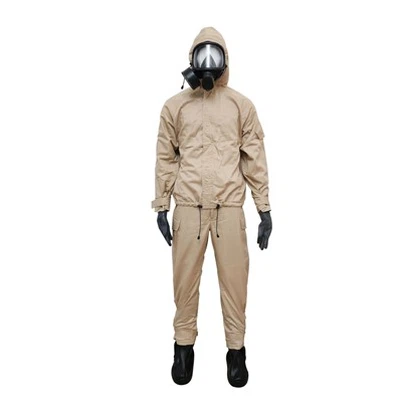
Are non - woven masks approved by regulatory agencies?
Leave a message

In the current global context, the demand for effective personal protective equipment (PPE) has skyrocketed, and non - woven masks have emerged as a popular choice. As a non - woven mask supplier, I often encounter inquiries from potential buyers about whether non - woven masks are approved by regulatory agencies. This blog post aims to shed light on this important topic.
Understanding Non - woven Masks
Non - woven masks are made from non - woven fabrics, which are produced through processes like mechanical, thermal, or chemical bonding. These masks come in various types, including Half face mask, Filter half mask, and Air - purifying dust respirator. They are widely used in different settings, such as healthcare, industrial workplaces, and general public use for protection against dust, pollutants, and infectious agents.
Regulatory Agencies and Their Roles
There are several key regulatory agencies around the world that play a crucial role in approving non - woven masks.
In the United States, the National Institute for Occupational Safety and Health (NIOSH) is responsible for certifying respirators used in occupational settings. NIOSH has strict standards for testing the filtration efficiency, breathability, and fit of masks. For example, N95 masks, which are a type of non - woven respirator, must meet the requirement of filtering at least 95% of airborne particles. If a non - woven mask is to be used in an industrial workplace in the US to protect workers from dust and other harmful substances, it needs to be NIOSH - approved.
The European Union has its own set of regulations under the Personal Protective Equipment (PPE) Regulation (EU) 2016/425. Masks sold in the EU must bear the CE marking, indicating that they comply with the relevant safety, health, and environmental protection requirements. This includes tests for particle filtration efficiency, fluid resistance, and biocompatibility.
In Asia, countries like Japan and South Korea also have their own regulatory bodies. Japan's Ministry of Health, Labour and Welfare sets standards for medical masks, ensuring their quality and effectiveness in preventing the spread of diseases. South Korea's Ministry of Food and Drug Safety regulates the production and sale of masks, including non - woven ones, to protect public health.
Approval Processes
The approval process for non - woven masks is a rigorous one. Manufacturers need to submit their products to the relevant regulatory agencies for testing.
First, the physical properties of the non - woven fabric are examined. This includes the fabric's thickness, density, and fiber structure, which can affect the mask's filtration efficiency. For example, a denser non - woven fabric may offer better filtration but could also reduce breathability.
Next, the mask's filtration efficiency is tested. This involves exposing the mask to a controlled environment with a known concentration of particles and measuring the percentage of particles that are filtered out. Different types of masks have different filtration requirements depending on their intended use.
The fit of the mask is also a critical factor. A poorly fitting mask may allow air to leak around the edges, reducing its effectiveness. Regulatory agencies use various methods to test the fit, such as mannequin testing and real - world fit - testing on human subjects.
Finally, the mask's durability and comfort are evaluated. It should be able to maintain its performance over a reasonable period of time and be comfortable enough for users to wear for extended periods.


Our Company's Commitment to Regulatory Compliance
As a non - woven mask supplier, we understand the importance of regulatory approval. We are committed to producing masks that meet or exceed the standards set by regulatory agencies around the world.
Our manufacturing process is carefully monitored to ensure the quality of the non - woven fabric. We use high - quality raw materials and advanced production techniques to produce masks with consistent filtration efficiency and breathability.
We also invest in regular testing of our products. Our masks are sent to independent testing laboratories that are recognized by regulatory agencies. This ensures that our products are thoroughly evaluated and meet all the necessary requirements.
In addition, we stay updated on the latest regulatory changes. As new standards are introduced or existing ones are revised, we adjust our production processes accordingly to ensure that our masks remain compliant.
Benefits of Using Regulatory - Approved Non - woven Masks
Using regulatory - approved non - woven masks offers several benefits.
For users, it provides assurance of the mask's quality and effectiveness. They can be confident that the mask will protect them from the intended hazards, whether it's dust in an industrial setting or infectious agents in a healthcare environment.
For businesses, using regulatory - approved masks can help meet legal requirements. In many countries, employers are required to provide their workers with appropriate PPE that meets regulatory standards. By using our approved non - woven masks, businesses can avoid potential legal issues and ensure the safety of their employees.
Conclusion
In conclusion, non - woven masks can be approved by regulatory agencies, but it requires a commitment to quality and compliance from manufacturers. As a non - woven mask supplier, we are dedicated to providing our customers with masks that are not only effective but also meet the highest regulatory standards.
If you are in the market for high - quality, regulatory - approved non - woven masks, we invite you to contact us for a procurement discussion. We can provide you with detailed information about our products, including their features, specifications, and regulatory compliance. Our team of experts is ready to assist you in finding the right masks for your specific needs.
References
- National Institute for Occupational Safety and Health (NIOSH). "Respirator Certification."
- European Union. "Personal Protective Equipment (PPE) Regulation (EU) 2016/425."
- Japan Ministry of Health, Labour and Welfare. "Standards for Medical Masks."
- South Korea Ministry of Food and Drug Safety. "Regulations on Mask Production and Sale."