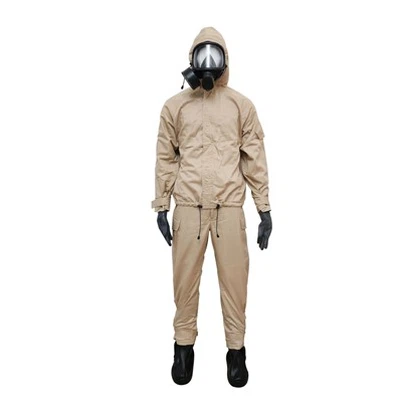
Can a Fire Rescue Breathing Apparatus be used in wildland fire rescue?
Leave a message

Hey there, all you fire - fighting heroes and those interested in wildland fire rescue! I'm a supplier of Fire Rescue Breathing Apparatus, and I've been getting a lot of questions lately about whether our fire rescue breathing apparatus can be used in wildland fire rescue. So, let's dig into this topic and find out the answers.
First things first, what exactly is a Fire Rescue Breathing Apparatus? Well, it's a piece of life - saving equipment that provides breathable air to firefighters in dangerous environments. Our Fire Rescue respirator and Fire Rescue Mask are designed to filter out harmful smoke, toxins, and particulates, allowing firefighters to focus on their rescue work without worrying about inhaling dangerous substances.
Now, let's talk about wildland fires. Wildland fires are different from structure fires in many ways. They occur in natural landscapes such as forests, grasslands, and shrublands. The terrain is often rough and uneven, and there's a lot of vegetation that can fuel the fire and make it spread quickly. The smoke from wildland fires can also be more unpredictable, containing a mix of chemicals from burning plants, soil, and sometimes industrial materials if there are nearby facilities.

So, can a fire rescue breathing apparatus be used in wildland fire rescue? The short answer is yes, but with some considerations.
One of the main advantages of using our fire rescue breathing apparatus in wildland fire rescue is the protection it offers. As I mentioned earlier, wildland fire smoke can be filled with all sorts of harmful stuff. Our breathing apparatus have high - quality filters that can trap a wide range of particulates, including fine dust and ash that are common in wildland fire areas. They also help against toxic gases like carbon monoxide, which is produced when organic materials burn.
In addition, our equipment is designed to be lightweight and comfortable. Since wildland firefighters often have to cover long distances on foot through rough terrain, heavy or cumbersome gear can be a real liability. Our breathing apparatus are built with ergonomics in mind, so they don't put too much strain on the firefighters' bodies, allowing them to move more freely and efficiently.
However, there are also some challenges. One issue is the limited air supply. Most fire rescue breathing apparatus come with a set amount of air. In a large - scale wildland fire, where firefighters may have to be on the scene for hours or even days, running out of air can be a serious problem. That's why planning and management of air resources are crucial. We're constantly working on improving the air - storage capacity of our products, but in the meantime, firefighters need to be trained to use their air supply wisely.
Another challenge is the environmental conditions. Wildland areas can have extreme temperatures, high humidity, or strong winds. These conditions can affect the performance of the breathing apparatus. For example, very high temperatures might cause the filters to degrade more quickly, and strong winds can blow dust and debris into the intake valves. We're aware of these problems and have been testing our equipment in various simulated wildland environments to make sure it can withstand these harsh conditions.
Maintenance is also a key factor. In a wildland setting, the breathing apparatus can get dirty and damaged more easily. Dirt, sand, and vegetation can clog the filters and other components. Regular cleaning and maintenance are essential to keep the equipment in good working condition. We provide detailed maintenance instructions with all our products, and we also offer training for firefighters on how to properly care for their breathing apparatus.
The durability of our fire rescue breathing apparatus is another important consideration. In wildland fire rescue, the equipment might be subject to impacts from branches, rocks, or other objects while firefighters are moving through the brush. Our products are made from high - quality, durable materials that can withstand these kinds of impacts. We've conducted extensive drop tests and impact simulations to ensure that the breathing apparatus can keep its functionality even after a bump or two.
Moreover, the ease of use is vital. In a high - stress wildland fire situation, firefighters need to be able to put on and operate the breathing apparatus quickly. Our designs are user - friendly, with intuitive controls and fast - donning mechanisms. This helps save precious time when every second counts.
Now, I want to emphasize that while our fire rescue breathing apparatus can be used in wildland fire rescue, proper training is a must. Firefighters should be trained on the specific features and limitations of the equipment, as well as how to handle different situations in the wildland environment. We're also more than happy to offer training programs for fire departments interested in our products.
In conclusion, a fire rescue breathing apparatus can be a valuable tool in wildland fire rescue. It provides essential protection against harmful smoke and toxins, and with proper planning, maintenance, and training, it can greatly enhance the safety and effectiveness of firefighters.
If you're a fire department or an organization involved in wildland fire rescue and you're looking for reliable fire rescue breathing apparatus, I encourage you to reach out. We're here to provide you with the best products and support. Whether you have questions about our Fire Rescue respirator or Fire Rescue Mask, or you want to discuss a potential purchase, don't hesitate to start a conversation. Let's work together to keep our firefighters safe and well - equipped!
References
- Various wildland fire research reports on the impact of smoke on firefighters' health.
- Fire fighting equipment industry standards and guidelines for breathing apparatus use.