

Can coal - based activated carbon be used in the plastic industry?
Leave a message

As a seasoned supplier of coal-based activated carbon, I've witnessed firsthand the remarkable versatility of this product across a multitude of industries. Today, I'd like to delve into a particularly intriguing question: Can coal-based activated carbon be used in the plastic industry?
Understanding Coal-Based Activated Carbon
Before we explore its potential in the plastic industry, let's briefly understand what coal-based activated carbon is. Coal-based activated carbon is produced from high-quality coal through a series of processes, including carbonization, activation, and post-treatment. This results in a highly porous material with a large surface area, typically ranging from 800 to 1500 square meters per gram. These pores are what give activated carbon its exceptional adsorption properties, allowing it to trap and remove a wide variety of impurities and contaminants.
Potential Applications in the Plastic Industry
Removal of Impurities
The plastic manufacturing process often involves the use of various raw materials, some of which may contain impurities such as heavy metals, organic compounds, and odorous substances. Coal-based activated carbon can be used as an adsorbent to remove these impurities, ensuring the quality and purity of the final plastic products. For example, in the production of food-grade plastics, it is crucial to eliminate any potential contaminants that could leach into the food. Activated carbon can effectively adsorb these impurities, making the plastic safe for contact with food.
Odor Control
Plastics can sometimes emit unpleasant odors, especially during the manufacturing process or when exposed to high temperatures. Coal-based activated carbon can be incorporated into the plastic formulation to adsorb these odorous compounds, improving the overall smell of the plastic products. This is particularly important for applications where odor is a concern, such as in the production of consumer goods, automotive interiors, and packaging materials.
Color Improvement
In some cases, plastics may have a yellowish or brownish tint due to the presence of impurities or degradation products. Activated carbon can be used to adsorb these color-causing substances, resulting in a clearer and more aesthetically pleasing plastic. This is beneficial for applications where color is a critical factor, such as in the production of transparent plastics or colored plastics with specific color requirements.
Catalyst Support
Coal-based activated carbon can also serve as a support material for catalysts in the plastic industry. Catalysts are used to accelerate chemical reactions during the plastic manufacturing process, such as polymerization and cross-linking. The high surface area and porous structure of activated carbon provide an ideal platform for immobilizing catalysts, enhancing their activity and stability. This can lead to more efficient and cost-effective plastic production processes.
Case Studies and Success Stories
There are already several examples of successful applications of coal-based activated carbon in the plastic industry. For instance, a major plastic packaging manufacturer was facing issues with the odor of its products, which was affecting customer satisfaction. By incorporating Air purification pellet activated carbon into the plastic formulation, the company was able to significantly reduce the odor, resulting in improved product quality and increased customer loyalty.
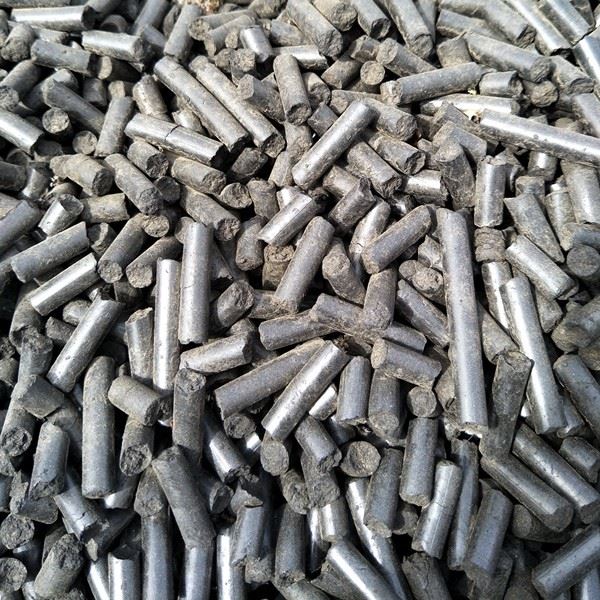

Another example is a plastic recycling company that was struggling to remove heavy metals from recycled plastics. By using Coal-based Activated Carbon for Desulfurization, the company was able to effectively adsorb the heavy metals, making the recycled plastics suitable for reuse in various applications. This not only helped the company meet environmental regulations but also reduced the cost of raw materials.
Advantages of Using Coal-Based Activated Carbon in the Plastic Industry
Cost-Effectiveness
Coal-based activated carbon is relatively inexpensive compared to other types of adsorbents and catalysts. This makes it an attractive option for plastic manufacturers looking to reduce production costs without compromising on quality.
High Adsorption Capacity
As mentioned earlier, coal-based activated carbon has a large surface area and high porosity, which gives it a high adsorption capacity. This means that it can effectively remove a large amount of impurities and contaminants from the plastic, ensuring the quality and purity of the final products.
Chemical Stability
Coal-based activated carbon is chemically stable and can withstand a wide range of temperatures and chemical environments. This makes it suitable for use in various plastic manufacturing processes, including those that involve high temperatures and harsh chemicals.
Environmental Friendliness
Coal-based activated carbon is a sustainable and environmentally friendly option. It is made from a renewable resource (coal) and can be recycled and reused multiple times. This helps to reduce waste and minimize the environmental impact of the plastic industry.
Challenges and Considerations
While coal-based activated carbon offers many advantages for the plastic industry, there are also some challenges and considerations that need to be addressed.
Compatibility with Plastics
The compatibility of coal-based activated carbon with different types of plastics needs to be carefully evaluated. Some plastics may have specific requirements or limitations in terms of the type and amount of activated carbon that can be used. For example, in some cases, the addition of activated carbon may affect the mechanical properties or processing characteristics of the plastic.
Quality Control
Ensuring the quality and consistency of coal-based activated carbon is crucial for its effective use in the plastic industry. The quality of activated carbon can vary depending on the source of coal, the production process, and the post-treatment methods. Therefore, it is important to work with a reliable supplier who can provide high-quality activated carbon that meets the specific requirements of the plastic manufacturing process.
Regulatory Compliance
The use of coal-based activated carbon in the plastic industry may be subject to certain regulatory requirements, especially in terms of food safety and environmental protection. Plastic manufacturers need to ensure that they comply with all relevant regulations and standards when using activated carbon in their products.
Conclusion
In conclusion, coal-based activated carbon has significant potential for use in the plastic industry. Its ability to remove impurities, control odor, improve color, and support catalysts makes it a valuable addition to the plastic manufacturing process. While there are some challenges and considerations that need to be addressed, the benefits of using coal-based activated carbon far outweigh the drawbacks.
As a supplier of coal-based activated carbon, I am committed to providing high-quality products and technical support to the plastic industry. If you are interested in exploring the use of coal-based activated carbon in your plastic manufacturing processes, I encourage you to contact me for further information and to discuss your specific requirements. Let's work together to enhance the quality and sustainability of the plastic products.
References
- "Activated Carbon: Surface Chemistry, Adsorption Kinetics, and Applications" by S. K. Bhattacharyya and A. K. Gupta
- "Plastic Additives: An A-Z Reference" by Geoffrey Pritchard
- "Environmental Impact of Plastic Production and Recycling" by R. A. Thompson, et al.


