Can Personal Protective Equipment prevent all types of hazards?
Leave a message

Hey there! As a supplier of Personal Protective Equipment (PPE), I've been in the thick of the industry for quite some time. One question that keeps popping up is, "Can Personal Protective Equipment prevent all types of hazards?" Well, let's dive right into this topic and break it down.


First off, PPE is super important. It's designed to protect workers from a whole bunch of different hazards in various work environments. Whether you're working in construction, manufacturing, healthcare, or any other field, there's a good chance you'll need some form of PPE. But can it really prevent all types of hazards? The short answer is no, but let's look at the reasons behind it.
Let's start with the types of hazards out there. There are physical hazards like falling objects, sharp edges, and extreme temperatures. Chemical hazards include exposure to toxic substances, corrosive materials, and harmful gases. Biological hazards involve things like bacteria, viruses, and fungi. And then there are ergonomic hazards, which are related to poor posture, repetitive motions, and heavy lifting.
PPE comes in many forms to tackle these hazards. For physical hazards, we've got hard hats to protect your head from falling objects, safety glasses to shield your eyes from debris, and Protective Boots to guard your feet from heavy objects and sharp tools. These items are great at reducing the risk of injury, but they're not foolproof. For example, a hard hat can withstand a certain amount of impact, but if a really heavy or fast - moving object hits it, there's still a chance of injury.
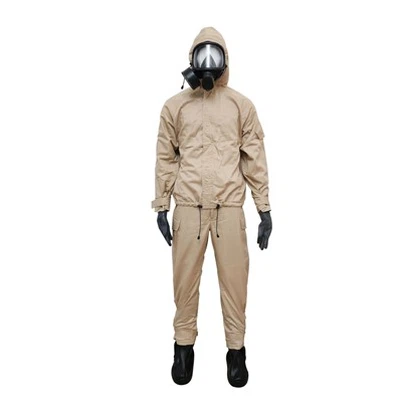
When it comes to chemical hazards, we have chemical - resistant gloves, suits, and respirators. These are designed to prevent contact with harmful chemicals and filter out toxic fumes. However, not all chemicals are created equal. Some are so corrosive or reactive that even the best - quality PPE might not provide complete protection. And if the PPE is damaged or not used correctly, the risk of exposure increases significantly.
Biological hazards are a big concern, especially in healthcare settings. Masks, gowns, and gloves are commonly used to prevent the spread of infectious diseases. But viruses and bacteria can be sneaky. They can find their way through small gaps in the PPE or if the equipment is removed incorrectly. For instance, if a healthcare worker touches their face while wearing contaminated gloves, they can still get infected.
Ergonomic hazards are a bit different. PPE like back braces and anti - fatigue mats can help reduce the strain on your body, but they can't completely eliminate the risk. These hazards are often related to the way we work, and PPE can only do so much. Changing work practices, like taking regular breaks and using proper lifting techniques, is also crucial.
Now, let's talk about some of the limitations of PPE in more detail. One major issue is human error. Even the best PPE won't work if it's not worn correctly or maintained properly. Workers might forget to put on all the necessary equipment, or they might not adjust it correctly. For example, a respirator needs to fit snugly on the face to work effectively. If it's loose, it won't filter out the harmful particles.
Another limitation is the fact that PPE is designed for specific hazards. A pair of Gas - protection Boots is great for protecting against gas leaks, but it won't do much if you're dealing with a physical impact hazard. So, you need to have the right type of PPE for the job, and sometimes it's hard to predict all the hazards you might face.
The quality of PPE also plays a huge role. Cheaper, low - quality equipment might not provide the same level of protection as high - end products. It might be less durable, more prone to damage, and less effective at blocking hazards. That's why it's important to invest in good - quality PPE from a reliable supplier.
But that doesn't mean PPE isn't useful. It's an essential part of any safety program. It can significantly reduce the risk of injury and illness, and in many cases, it can save lives. For example, in a construction site, a hard hat can prevent a serious head injury from a falling tool, and safety glasses can keep your eyes from being damaged by flying dust.
In addition to using PPE, there are other ways to manage hazards. Engineering controls, like installing machine guards or ventilation systems, can reduce the source of the hazard. Administrative controls, such as training workers and implementing safety policies, can also help. PPE should be seen as a last line of defense, used when other control measures aren't enough.
So, to sum it up, Personal Protective Equipment is a valuable tool in preventing hazards, but it can't prevent all types of hazards on its own. It has its limitations, mainly due to human error, the complexity of hazards, and the quality of the equipment. However, when used correctly in combination with other safety measures, it can make a big difference in keeping workers safe.
If you're in the market for high - quality PPE, we've got you covered. We offer a wide range of products, including Protective Boot Cover, hard hats, safety glasses, and more. Our products are designed to meet the highest safety standards and provide reliable protection.
If you're interested in learning more about our PPE products or have any questions about which equipment is right for your needs, don't hesitate to reach out. We're here to help you find the best solutions for your safety requirements. Let's work together to create a safer work environment!
References
- Occupational Safety and Health Administration (OSHA) guidelines on Personal Protective Equipment
- Industry research reports on the effectiveness of PPE in different work environments
- Studies on the impact of human error on PPE performance