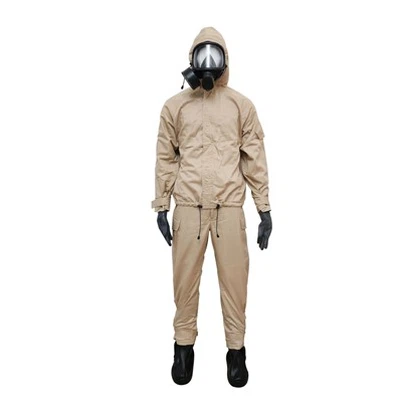
How do chemical suits protect against chemical aerosols?
Leave a message

Hey there! As a supplier of chemical suits, I often get asked how these nifty pieces of gear protect against chemical aerosols. So, I thought I'd take a deep dive into this topic and share some insights with you all.
First off, let's talk about what chemical aerosols are. Chemical aerosols are tiny particles of chemicals suspended in the air. They can come from a variety of sources, like industrial processes, chemical spills, or even certain types of weapons. These aerosols can be extremely dangerous because they can be inhaled, absorbed through the skin, or ingested, leading to all sorts of health problems, from minor irritations to serious, life - threatening conditions.
Now, let's get into how chemical suits come to the rescue. The main way chemical suits protect against chemical aerosols is through their material. Most chemical suits are made from specialized polymers that have excellent resistance to chemicals. These polymers act as a barrier between your body and the chemical aerosols.
One of the key properties of these materials is their impermeability. Impermeability means that the chemical aerosols can't pass through the fabric of the suit. For example, suits made from materials like butyl rubber or neoprene are great at preventing the penetration of many types of chemicals. Butyl rubber is especially good at blocking organic solvents and gases, which are often present in chemical aerosols.
Another important factor is the thickness of the suit material. Thicker materials generally provide better protection, but they also come with some drawbacks. They can be heavier and less breathable, which can make the wearer uncomfortable and reduce their mobility. So, there's always a balance to strike between protection and comfort.
The design of the chemical suit also plays a crucial role in protecting against chemical aerosols. A well - designed suit will have a tight fit around the wrists, ankles, and neck. This prevents the chemical aerosols from sneaking into the suit through the openings. Some suits even come with additional features like elastic cuffs or drawstrings to ensure a snug fit.
Seams are another area where the design matters. In a good chemical suit, the seams are sealed to prevent any leakage. There are different methods of sealing seams, such as taping or heat - sealing. Heat - sealing is often considered more reliable as it creates a continuous, seamless barrier.
Now, let's talk about the different types of chemical suits available. There are several classes of chemical suits, each offering different levels of protection.
Level A suits are the highest level of protection. They are fully encapsulating suits that provide protection against the most hazardous chemicals. These suits are often used in situations where there's a high risk of exposure to chemical aerosols, like in chemical spills or in the military for protection against chemical warfare agents. You can check out our CBRN Protective Chemical Suit for a great example of a Level A suit.
Level B suits offer a high level of protection but are not fully encapsulating. They are typically used when there's a high risk of exposure to liquid chemicals but a lower risk of inhalation of chemical aerosols.
Level C suits are less protective than Level A and B suits. They are used in situations where the chemical hazard is known and the exposure level is relatively low. Our Protective Chemical Suit falls into this category and is suitable for many common industrial applications.
Level D suits provide the least amount of protection. They are mainly used for nuisance dust protection and do not offer protection against chemical aerosols.
It's also important to note that proper use and maintenance of chemical suits are essential for effective protection. Before using a suit, you should always inspect it for any signs of damage, such as tears or holes. If you find any damage, the suit should not be used as it may not provide adequate protection.
After use, the suit should be properly decontaminated. This involves removing any chemical residues from the surface of the suit. The decontamination process can vary depending on the type of chemical and the suit material. In some cases, you may need to use special cleaning agents.
Now, let's touch on some real - world scenarios where chemical suits protect against chemical aerosols. In the industrial sector, workers in chemical plants are often exposed to chemical aerosols during manufacturing processes. For example, in a paint factory, workers may be exposed to aerosols containing solvents and pigments. Wearing a proper chemical suit can prevent these chemicals from coming into contact with their skin and being inhaled.
In the environmental cleanup industry, workers dealing with chemical spills need to be protected from the aerosols that can be generated. These spills can release a variety of chemicals into the air, and a good chemical suit can keep the workers safe while they clean up the mess.
In the military, chemical suits are used to protect soldiers from chemical warfare agents. These agents can be released as aerosols, and a high - quality chemical suit is a crucial piece of equipment for the soldiers' safety.
If you're in an industry where there's a risk of exposure to chemical aerosols, investing in a good chemical suit is a no - brainer. At our company, we offer a wide range of Protective Suit options to meet different needs and budgets.


Whether you're looking for a high - end Level A suit for the most hazardous situations or a more budget - friendly Level C suit for common industrial use, we've got you covered. Our suits are made from high - quality materials and are designed to provide maximum protection and comfort.
If you're interested in learning more about our chemical suits or have any questions about which suit is right for your specific situation, don't hesitate to reach out. We're here to help you make the best choice for your safety. Let's start a conversation about your chemical suit needs and find the perfect solution together.
References
- "Chemical Protective Clothing: Selection, Use, and Limitations" by the National Institute for Occupational Safety and Health (NIOSH)
- "Handbook of Chemical Resistance" by Carl A. Harper