How many filters does the MF39 type Gas Mask usually come with?
Leave a message

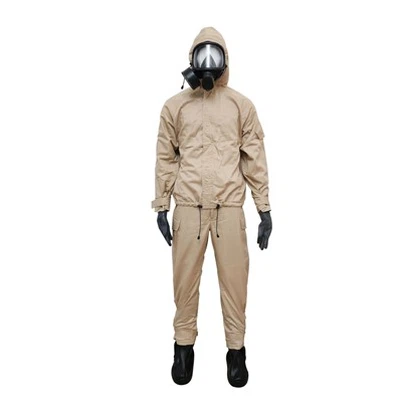
The MF39 type Gas Mask is a well - recognized piece of personal protective equipment in the market, especially for those working in environments where exposure to harmful gases, vapors, and particulates is a concern. As a supplier of the MF39 type Gas Mask, I often receive inquiries about the number of filters that usually come with this product. In this blog, I will delve into this topic and provide detailed information.
Understanding the MF39 Type Gas Mask
Before discussing the filters, it's essential to understand the MF39 type Gas Mask itself. It is designed to offer reliable protection in various hazardous situations. The mask is available in different forms, such as the Half Mask, Full Face Gas Mask, and Half - face Gas Mask. Each type is tailored to specific needs and usage scenarios.
The half - mask version covers the nose and mouth, providing protection against inhaled contaminants for the respiratory tract. It is suitable for less severe hazardous environments or when mobility and a lighter equipment load are required. The full - face gas mask, on the other hand, covers the entire face, offering not only respiratory protection but also protection for the eyes and face from splashes, aerosols, and other harmful substances. It is ideal for more extreme and dangerous work conditions.
Standard Filter Configuration
Typically, the MF39 type Gas Mask comes with two filters as a standard configuration. This dual - filter design is based on several scientific and practical considerations.
1. Filtration Efficiency
Two filters significantly enhance the overall filtration efficiency of the gas mask. When air is drawn into the mask, it passes through both filters in sequence. Each filter can capture different types of contaminants. For example, one filter may be more effective at removing particulate matter such as dust, pollen, and asbestos fibers, while the other can target gaseous pollutants like carbon monoxide, sulfur dioxide, and organic vapors. By having two filters, the mask can provide comprehensive protection against a wider range of hazards.
2. Redundancy and Safety
In case one filter fails or becomes clogged during use, the second filter can still provide a certain level of protection. This redundancy is crucial in high - risk environments where a sudden loss of filtration could have serious consequences for the user's health. It gives users an extra layer of safety and peace of mind, knowing that they are protected even if there is an issue with one of the filters.
3. Balanced Airflow
The two - filter setup helps to maintain a balanced airflow through the gas mask. When air is evenly distributed between the two filters, it reduces the resistance to inhalation, making it easier for the user to breathe. This is especially important during extended periods of use, as it can prevent fatigue and discomfort caused by difficult breathing.
Optional Filter Configurations
While the standard configuration includes two filters, we also offer optional filter setups to meet the diverse needs of our customers.
1. Single - Filter Option
For some users who are working in relatively clean environments with only a low risk of exposure to contaminants, a single - filter option may be sufficient. This configuration reduces the weight and cost of the gas mask, making it more suitable for short - term or occasional use. However, it's important to note that the single - filter option provides less comprehensive protection and redundancy compared to the dual - filter setup.
2. Multiple - Filter Option
In extremely hazardous environments, such as chemical spills, industrial fires, or areas with high levels of radioactive particles, we can provide gas masks with more than two filters. These multiple - filter configurations can be customized according to the specific types of contaminants present in the environment. For example, additional filters can be added to target specific gases or particulates, providing enhanced protection for the user.
Factors Affecting Filter Selection
When choosing the appropriate filter configuration for the MF39 type Gas Mask, several factors need to be considered.
1. Nature of the Hazard
The type of contaminants present in the environment is the most important factor. Different filters are designed to remove specific types of gases, vapors, and particulates. For example, a filter marked with "A" is suitable for organic gases and vapors, while a filter marked with "P3" is effective against high - efficiency particulate matter. By identifying the nature of the hazard, users can select the most appropriate filters for their needs.
2. Duration of Use
The length of time the gas mask will be used also affects filter selection. For short - term use, a single - filter or standard dual - filter configuration may be sufficient. However, for extended periods of use, especially in high - concentration contaminant environments, multiple - filter options or filters with a higher capacity may be required to ensure continuous protection.
3. User Comfort
User comfort is another important consideration. More filters generally mean more weight and potentially more resistance to breathing. Therefore, it's necessary to strike a balance between protection and comfort. We offer a variety of filter types and sizes, allowing users to choose the combination that best suits their comfort requirements while still providing adequate protection.
Maintenance and Replacement of Filters
Proper maintenance and timely replacement of filters are essential to ensure the effectiveness of the MF39 type Gas Mask.
1. Maintenance
Filters should be inspected regularly for signs of damage, clogging, or deterioration. If a filter appears dirty or damaged, it should be cleaned or replaced immediately. Cleaning methods may vary depending on the type of filter, but in general, gentle brushing or rinsing with clean water can be used for some particulate filters. However, it's important to follow the manufacturer's instructions to avoid damaging the filter.
2. Replacement
The replacement interval of filters depends on several factors, including the type of filter, the concentration of contaminants in the environment, and the duration of use. As a general rule, filters should be replaced when they reach their maximum service life or when their performance is significantly reduced. We provide detailed guidelines on filter replacement for our customers to ensure that they are using the gas mask safely and effectively.


Conclusion
The MF39 type Gas Mask usually comes with two filters as a standard configuration, which provides high filtration efficiency, redundancy, and balanced airflow. However, we also offer optional filter setups to meet the diverse needs of our customers. When selecting the appropriate filter configuration, factors such as the nature of the hazard, duration of use, and user comfort should be considered. Proper maintenance and timely replacement of filters are crucial to ensure the effectiveness of the gas mask.
If you are interested in purchasing the MF39 type Gas Mask or have any questions about filter configurations, please feel free to contact us for further discussion. We are committed to providing high - quality products and professional advice to meet your personal protective equipment needs.
References
- Occupational Safety and Health Administration (OSHA). Guidelines for Respiratory Protection.
- National Institute for Occupational Safety and Health (NIOSH). Standards for Gas Mask Filters.