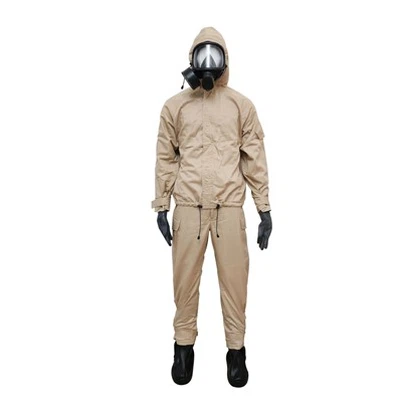
How to wear a Fire Rescue Breathing Apparatus correctly?
Leave a message

Hey there, fellow fire - fighting enthusiasts and safety warriors! I'm part of a Fire Rescue Breathing Apparatus supplier team, and I'm super stoked to share with you all the ins and outs of wearing a Fire Rescue Breathing Apparatus correctly.
Why Correct Usage Matters
Let's kick things off by talking about why it's so crucial to wear this equipment the right way. In a fire - fighting scenario, a Fire Rescue Breathing Apparatus (FRBA) is your lifeline. It gives you clean, breathable air in an environment filled with toxic fumes, smoke, and low oxygen levels. A single mistake in wearing it can lead to oxygen deprivation, exposure to harmful chemicals, and even loss of life. So, getting it right is not just a nice - to - have; it's a must - have.
Pre - use Inspection
Before you even think about strapping on the FRBA, you need to do a thorough pre - use inspection. First, check the cylinder. Make sure it's properly charged. You can usually tell by looking at the pressure gauge. If the pressure is below the recommended level, don't use it. You don't want to run out of air in the middle of a rescue operation.
Next, examine the facepiece. Look for any signs of damage, like cracks or tears. The facepiece is what seals the air supply from the outside environment, so a damaged one won't do its job. Also, check the straps. They should be in good condition, without any fraying or weak spots.
Inspect the hoses as well. Ensure there are no kinks, cuts, or leaks. A leaky hose can cause a loss of air pressure, which is a big no - no. And don't forget to test the regulator. Breathe gently through the mouthpiece to see if the airflow is smooth and consistent.
Putting on the Apparatus
Once you've passed the inspection, it's time to put on the FRBA. Start by adjusting the harness. The harness should fit snugly but not too tight. You want to be able to move freely, but you also don't want the apparatus bouncing around on your back. Adjust the shoulder straps and the waist belt so that the weight of the cylinder is evenly distributed.
Now, pick up the facepiece. Hold it in front of your face with the chin cup at the bottom. Place your chin in the cup and then pull the head straps over your head. Start with the bottom strap and work your way up. Make sure the facepiece is centered on your face and that the edges seal tightly against your skin. You can do a quick seal check by covering the exhalation valve with your hand and inhaling gently. If the facepiece collapses slightly and holds its shape, the seal is good.
After getting the facepiece on, connect the hose to the regulator. Make sure it's firmly attached. You don't want it coming loose during a rescue.
During Use
While you're using the FRBA, there are a few things to keep in mind. First, breathe normally. Don't take short, rapid breaths. Slow, deep breaths will help you use the air more efficiently.
Keep an eye on the pressure gauge. It's a good idea to have a mental plan of when you'll need to exit the area based on the remaining air. For example, if you know you'll need a certain amount of air to get back to safety, start making your way out when the gauge reaches that level.
Also, be aware of your surroundings. The FRBA can be a bit bulky and limit your field of vision to some extent. Take extra care when moving around, especially in tight spaces.
Taking it Off
Once you're out of the hazardous area, it's time to take off the FRBA. First, disconnect the hose from the regulator. Then, loosen the harness straps. Start with the waist belt and then the shoulder straps. Carefully lift the apparatus off your back and place it on a clean, dry surface.
Remove the facepiece by loosening the head straps. Start from the top and work your way down. Gently lift the facepiece off your face.
Maintenance After Use
After using the FRBA, proper maintenance is key. Clean the facepiece with a mild detergent and warm water. Rinse it thoroughly and let it air dry. Don't use harsh chemicals as they can damage the materials.
Inspect the apparatus again for any signs of wear and tear. If you notice any issues, get them fixed right away. Also, recharge the cylinder if needed.
Additional Tips
If you're new to using a Fire Rescue Breathing Apparatus, practice wearing it in a controlled environment. Get used to the feel of it on your back and the way the facepiece fits. You can do some simple drills, like walking around or climbing stairs while wearing it.
It's also a good idea to have a buddy system. When you're in a fire - fighting situation, having someone to watch your back and help you with the apparatus if needed can be a lifesaver.
Conclusion
Wearing a Fire Rescue Breathing Apparatus correctly is a skill that every fire - fighter and rescue worker should master. It's not just about putting on a piece of equipment; it's about ensuring your safety and the success of your mission. By following these steps, doing regular inspections, and practicing proper maintenance, you can make the most of your FRBA.
If you're in the market for a high - quality Fire Rescue Breathing Apparatus, look no further. We, as a supplier, are committed to providing top - notch equipment that meets all safety standards. Check out our Fire Rescue respirator for more details.
If you're interested in purchasing our products or have any questions about our Fire Rescue Breathing Apparatus, feel free to reach out. We're here to help you make the right choice for your safety needs. Let's work together to keep our communities safe!

References
- National Fire Protection Association (NFPA) standards on fire - fighting equipment
- Manufacturer's manuals for Fire Rescue Breathing Apparatus