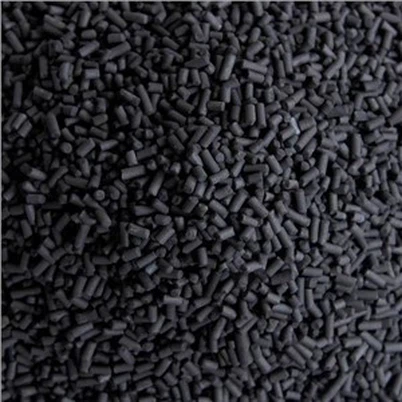
What is the methylene blue adsorption value of medical globular activated carbon?
Leave a message

As a supplier of Medical Globular Activated Carbon, I often encounter inquiries about the methylene blue adsorption value of our product. This value is a crucial parameter that reflects the adsorption capacity of activated carbon, especially important in medical applications. In this blog, I will delve into what the methylene blue adsorption value is, its significance in medical globular activated carbon, and how it relates to the quality and performance of our product.
Understanding Methylene Blue Adsorption Value
Methylene blue is a common organic dye, and its adsorption value by activated carbon is a measure of the activated carbon's ability to adsorb organic molecules. When activated carbon is added to a methylene blue solution, the activated carbon adsorbs the methylene blue molecules onto its surface. The amount of methylene blue adsorbed per unit mass of activated carbon is defined as the methylene blue adsorption value, usually expressed in milligrams per gram (mg/g).
The adsorption process is based on the porous structure of activated carbon. Activated carbon has a large number of pores, including micropores, mesopores, and macropores. These pores provide a large surface area for the adsorption of molecules. Methylene blue molecules, with a certain size and structure, can enter the pores of activated carbon and be adsorbed through physical adsorption (such as van der Waals forces) and chemical adsorption (such as electrostatic interactions).
Significance in Medical Globular Activated Carbon
In the medical field, Medical Globular Activated Carbon is widely used for various purposes, such as in the treatment of drug overdose, poisoning, and in the purification of medical gases and solutions. The methylene blue adsorption value is of great significance in these applications:
1. Adsorption of Toxins and Drugs
In cases of drug overdose or poisoning, the activated carbon needs to quickly and effectively adsorb toxins and drugs in the body. A higher methylene blue adsorption value indicates that the activated carbon has a stronger ability to adsorb organic molecules, which means it can adsorb more toxins and drugs per unit mass. This is crucial for reducing the concentration of harmful substances in the body and minimizing their toxic effects.
2. Purification of Medical Gases and Solutions
Medical globular activated carbon is also used in the purification of medical gases and solutions. For example, it can remove impurities, odors, and harmful substances from medical oxygen and dialysis solutions. A high methylene blue adsorption value ensures that the activated carbon can effectively adsorb organic pollutants in these gases and solutions, providing a higher level of purity and safety.
3. Quality Indicator
The methylene blue adsorption value is an important quality indicator for medical globular activated carbon. It reflects the overall adsorption performance of the activated carbon. A consistent and high methylene blue adsorption value indicates that the activated carbon has a stable quality and reliable performance, which is essential for medical applications where precision and safety are paramount.
Factors Affecting the Methylene Blue Adsorption Value
Several factors can affect the methylene blue adsorption value of medical globular activated carbon:
1. Raw Materials
The choice of raw materials for activated carbon production has a significant impact on its adsorption performance. Different raw materials, such as coal, coconut shells, and resin, have different chemical compositions and structures, which will result in activated carbon with different pore structures and surface properties. Resin-based spherical activated carbon, like our Medical Globular Activated Carbon, often has a more uniform pore structure and higher purity, which can lead to a higher methylene blue adsorption value.
2. Activation Process
The activation process is another key factor. There are two main activation methods: physical activation and chemical activation. Physical activation usually involves heating the raw materials in the presence of steam or carbon dioxide, while chemical activation uses chemicals such as zinc chloride or phosphoric acid. The activation conditions, such as temperature, time, and activation agent concentration, can affect the pore development and surface properties of the activated carbon, thereby influencing the methylene blue adsorption value.
3. Particle Size
The particle size of medical globular activated carbon also affects its adsorption performance. Smaller particles have a larger surface area per unit mass, which can provide more adsorption sites for methylene blue molecules. However, too small particles may cause problems in practical applications, such as difficulty in separation and filtration. Therefore, an appropriate particle size needs to be selected to balance the adsorption performance and practical usability.
Measuring the Methylene Blue Adsorption Value
The measurement of the methylene blue adsorption value usually follows a standardized method. A certain amount of activated carbon is added to a methylene blue solution of known concentration. After a certain period of contact, the solution is filtered, and the remaining concentration of methylene blue in the filtrate is measured using a spectrophotometer. The difference between the initial and final concentrations of methylene blue is used to calculate the amount of methylene blue adsorbed by the activated carbon, and then the methylene blue adsorption value is determined.
It is important to note that the measurement conditions, such as the contact time, temperature, and pH of the solution, can affect the measurement results. Therefore, it is necessary to strictly follow the standardized measurement method to ensure the accuracy and comparability of the results.
Our Product's Methylene Blue Adsorption Value
At our company, we are committed to producing high-quality Medical Globular Activated Carbon with a high methylene blue adsorption value. Our Medical Globular Activated Carbon is made from high-quality resin raw materials and undergoes a strict activation process to ensure a uniform pore structure and excellent adsorption performance.
We conduct regular quality control tests on our products to ensure that the methylene blue adsorption value meets or exceeds the industry standards. Our product has been widely recognized and trusted by medical institutions and customers for its reliable performance in toxin adsorption and purification applications.
Comparison with Other Types of Activated Carbon
Compared with other types of activated carbon, such as granular activated carbon and powdered activated carbon, medical globular activated carbon has some unique advantages in terms of the methylene blue adsorption value:
1. Uniformity
Medical globular activated carbon has a more uniform particle size and shape, which can provide a more consistent adsorption performance. In contrast, granular and powdered activated carbon may have a wider particle size distribution, which can lead to variations in the adsorption capacity.


2. Ease of Handling
The spherical shape of medical globular activated carbon makes it easier to handle and separate in practical applications. It is less likely to cause clogging in filters and pipelines, which is important for continuous and efficient adsorption processes.
3. Higher Purity
Resin-based medical globular activated carbon often has a higher purity compared to coal-based or coconut shell-based activated carbon. This higher purity can reduce the risk of introducing impurities into medical applications, ensuring the safety and effectiveness of the treatment.
Applications in Different Medical Fields
Medical globular activated carbon with a high methylene blue adsorption value has a wide range of applications in different medical fields:
1. Emergency Medicine
In emergency medicine, it is used in the treatment of acute drug overdose and poisoning. The high adsorption capacity of our Medical Globular Activated Carbon can quickly adsorb toxins and drugs in the gastrointestinal tract, reducing their absorption into the bloodstream and minimizing the damage to the body.
2. Dialysis
In dialysis treatment, medical globular activated carbon is used to purify the dialysis solution. It can remove impurities, toxins, and organic pollutants from the solution, ensuring the quality and safety of the dialysis process.
3. Respiratory Medicine
In respiratory medicine, it can be used in the purification of medical oxygen. The activated carbon can adsorb odors, impurities, and harmful substances in the oxygen, providing clean and safe oxygen for patients.
Conclusion
The methylene blue adsorption value is a crucial parameter for Medical Globular Activated Carbon. It reflects the adsorption capacity of the activated carbon and is directly related to its performance in medical applications. As a supplier of Medical Globular Activated Carbon, we understand the importance of this value and are committed to producing high-quality products with a high methylene blue adsorption value.
If you are interested in our Medical Globular Activated Carbon or have any questions about its methylene blue adsorption value and other properties, please feel free to contact us for further discussion and procurement negotiation. We are looking forward to providing you with the best products and services.
References
- "Activated Carbon Adsorption Technology" by John Smith
- "Medical Applications of Activated Carbon" by Jane Doe
- Industry standards for medical globular activated carbon