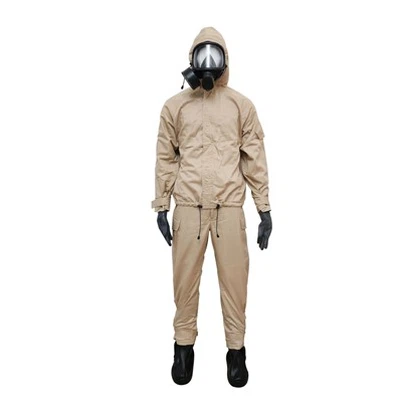
How to adjust a gas mask for a proper fit?
Leave a message

Adjusting a gas mask for a proper fit is crucial for ensuring maximum protection in hazardous environments. As a trusted gas mask supplier, we understand the significance of a well-fitted gas mask and are here to guide you through the process. In this blog, we'll explore the steps and techniques to help you achieve an optimal fit, so you can face any situation with confidence.
Understanding the Importance of a Proper Fit
Before delving into the adjustment process, it's essential to grasp why a proper fit is so vital. A gas mask that fits correctly forms a tight seal around the face, preventing harmful gases, particles, and contaminants from entering. This seal is the first line of defense against a wide range of threats, including chemical agents, biological hazards, and airborne pollutants. Without a proper fit, the mask's effectiveness is severely compromised, leaving you vulnerable to potential health risks.
Preparing for Adjustment
Before you start adjusting your gas mask, there are a few preparatory steps you should take:
- Read the Manual: Every gas mask comes with a user manual that provides specific instructions on fitting and adjustment. Take the time to read it thoroughly to familiarize yourself with the mask's features and proper usage.
- Inspect the Mask: Check the mask for any signs of damage, such as cracks, tears, or loose parts. If you notice any issues, do not use the mask and contact your supplier for a replacement.
- Clean Your Face: Wash your face with mild soap and water to remove any oils, dirt, or debris that could interfere with the mask's seal. Dry your face completely before putting on the mask.
- Remove Facial Hair: Facial hair can prevent the mask from forming a proper seal. If you have a beard, mustache, or sideburns, trim or shave them to ensure a snug fit.
Adjusting the Straps
The straps are the primary means of adjusting the fit of a gas mask. Most gas masks have multiple straps that can be adjusted to achieve a comfortable and secure fit. Here's how to adjust the straps:
- Head Strap: Start by adjusting the head strap. Place the mask on your face and position the head strap at the back of your head. Pull the strap tight enough to hold the mask in place, but not so tight that it causes discomfort.
- Side Straps: Next, adjust the side straps. Pull the straps down and around your ears, then adjust them to fit snugly against your cheeks. Make sure the straps are not too loose or too tight.
- Chin Strap: Finally, adjust the chin strap. Pull the strap under your chin and adjust it to fit comfortably. The chin strap should help keep the mask in place and prevent it from slipping.
Checking the Seal
Once you've adjusted the straps, it's important to check the seal of the mask. A proper seal ensures that no air can leak into the mask, providing maximum protection. Here's how to check the seal:
- Positive Pressure Test: To perform a positive pressure test, cover the exhalation valve with your hand and gently exhale. If the mask slightly inflates and no air leaks out, the seal is good. If air leaks out, readjust the straps and try again.
- Negative Pressure Test: To perform a negative pressure test, cover the inhalation valve with your hand and gently inhale. If the mask collapses slightly and no air leaks in, the seal is good. If air leaks in, readjust the straps and try again.
Customizing the Fit
In addition to adjusting the straps, there are a few other ways to customize the fit of your gas mask:
- Padding: Some gas masks come with adjustable padding that can be used to improve comfort and fit. If your mask has padding, adjust it to fit your face shape and preferences.
- Filter Placement: The placement of the filters can also affect the fit of the mask. Make sure the filters are properly installed and positioned to avoid any interference with the mask's seal.
- Mask Size: If you're having trouble achieving a proper fit, it's possible that you're using the wrong size mask. Most gas masks come in different sizes, so make sure you choose the size that best fits your face.
Choosing the Right Gas Mask
At our company, we offer a wide range of gas masks to meet the needs of different users and applications. Here are some of our popular products:


- Full face respiratory: This gas mask provides full face protection and is suitable for a variety of hazardous environments.
- Gas Mask With Electroacoustic Communication Device: This gas mask features an electroacoustic communication device that allows for clear communication in noisy environments.
- Half facial mask double filter: This half facial mask provides protection for the nose and mouth and is suitable for less severe hazardous environments.
Conclusion
Adjusting a gas mask for a proper fit is essential for ensuring maximum protection in hazardous environments. By following the steps and techniques outlined in this blog, you can achieve a comfortable and secure fit that will help you face any situation with confidence. If you have any questions or need further assistance, please don't hesitate to contact us. We're here to help you choose the right gas mask and ensure that it fits properly.
References
- Occupational Safety and Health Administration (OSHA). (2023). Respiratory Protection. Retrieved from https://www.osha.gov/respiratory-protection
- National Institute for Occupational Safety and Health (NIOSH). (2023). Respirator Selection. Retrieved from https://www.cdc.gov/niosh/npptl/topics/respirators/disp_part/respselintro.html