What is the methylene blue adsorption value of coal - based activated carbon?
Leave a message

Hey there! As a supplier of coal-based activated carbon, I often get asked about the methylene blue adsorption value of coal-based activated carbon. So, I thought I'd take a few minutes to explain what it is, why it matters, and how it relates to the quality of our products.
What is the Methylene Blue Adsorption Value?
The methylene blue adsorption value is a key indicator of the adsorption capacity of activated carbon. Methylene blue is a synthetic organic compound that's commonly used as a dye. When it comes to activated carbon, we use it as a test substance to measure how well the carbon can adsorb certain types of molecules.
Here's the deal: activated carbon has a porous structure, kind of like a sponge but on a microscopic level. These pores are what give it its amazing adsorption properties. When we measure the methylene blue adsorption value, we're essentially seeing how much methylene blue the activated carbon can soak up.
The test is pretty straightforward. We mix a known amount of activated carbon with a methylene blue solution. The carbon adsorbs the methylene blue, and then we measure the remaining concentration of the dye in the solution. The difference between the initial and final concentrations tells us how much methylene blue the carbon has adsorbed. The result is usually expressed in milligrams of methylene blue per gram of activated carbon (mg/g).
Why Does the Methylene Blue Adsorption Value Matter?
The methylene blue adsorption value is a big deal for a few reasons. First off, it gives us an idea of the overall adsorption capacity of the activated carbon. A higher value means the carbon can adsorb more of the target molecules. This is super important because in most applications, we want the activated carbon to remove as many impurities as possible.
For example, in water treatment, activated carbon is used to remove organic contaminants, colors, and odors. A high methylene blue adsorption value indicates that the carbon will be more effective at removing these unwanted substances. The same goes for air purification. If you're using activated carbon to filter out volatile organic compounds (VOCs) or other pollutants from the air, a higher adsorption value means better performance.
Another reason it matters is that it helps us compare different types of activated carbon. Not all activated carbons are created equal, and the methylene blue adsorption value is one of the key factors we use to evaluate their quality. When you're looking for the right activated carbon for your specific application, this value can help you make an informed decision.
Methylene Blue Adsorption Value and Coal - Based Activated Carbon
As a supplier of coal-based activated carbon, I can tell you that the methylene blue adsorption value of our products is influenced by several factors. One of the most important is the raw material. Coal is a complex substance, and different types of coal have different properties. The type of coal we use to make our activated carbon can have a significant impact on its adsorption capacity.
The activation process is another crucial factor. There are two main methods of activating coal-based activated carbon: physical activation and chemical activation. Physical activation involves heating the coal in the presence of an oxidizing gas, while chemical activation uses chemicals to create the pores. The choice of activation method, as well as the specific conditions used (like temperature and time), can affect the size and distribution of the pores in the activated carbon, which in turn affects the methylene blue adsorption value.
Our coal-based activated carbon products have a wide range of methylene blue adsorption values, depending on the specific application. For instance, Coal-based Activated Carbon for Catalyst Carrier or Catalyst often requires a high adsorption capacity to ensure efficient catalytic reactions. On the other hand, Activated Carbon for Desulfurization may have different requirements based on the type of sulfur compounds it needs to remove.

Applications and Methylene Blue Adsorption Value
Let's take a closer look at some of the common applications of coal-based activated carbon and how the methylene blue adsorption value plays a role.
Water Treatment
In water treatment, coal-based activated carbon is used to remove a variety of contaminants. The methylene blue adsorption value helps us determine how well the carbon will perform. For example, if you're dealing with a water source that has a high concentration of organic matter, you'll want an activated carbon with a high methylene blue adsorption value. This will ensure that more of the organic contaminants are removed, resulting in cleaner, better - tasting water.
Air Purification
When it comes to air purification, coal-based activated carbon is used to filter out pollutants. The methylene blue adsorption value gives us an indication of how well the carbon will adsorb VOCs and other harmful gases. In industrial settings where there are high levels of pollutants, a high - value activated carbon can make a big difference in improving air quality.
Solvent Recovery
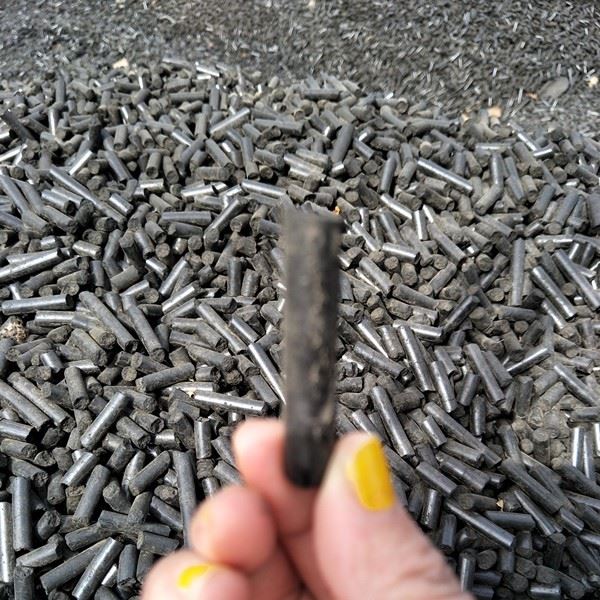
Pellet activated carbon gas separation is another important application. In solvent recovery processes, the activated carbon needs to adsorb solvents from gas streams. A high methylene blue adsorption value means that the carbon can adsorb more solvent molecules, making the recovery process more efficient.
How We Ensure High - Quality Methylene Blue Adsorption Values
At our company, we take several steps to ensure that our coal-based activated carbon has high and consistent methylene blue adsorption values. First, we carefully select the raw materials. We source high - quality coal from reliable suppliers and test it to make sure it has the right properties for activation.
During the activation process, we use advanced equipment and strict quality control measures. We monitor the temperature, pressure, and other parameters to ensure that the activation is carried out under optimal conditions. This helps us create a porous structure with the right size and distribution of pores, which is essential for a high methylene blue adsorption value.
After the activation process, we conduct thorough testing on every batch of activated carbon. We measure the methylene blue adsorption value, along with other important properties like iodine number and surface area. Only products that meet our strict quality standards are released to the market.
Contact Us for Your Coal - Based Activated Carbon Needs
If you're in the market for coal-based activated carbon and want to learn more about how the methylene blue adsorption value can benefit your specific application, we'd love to hear from you. Whether you need activated carbon for water treatment, air purification, or any other application, we have the expertise and the products to meet your needs.
Feel free to reach out to us to discuss your requirements, get a quote, or learn more about our coal-based activated carbon products. We're here to help you find the perfect solution for your business.
References
- "Activated Carbon: Adsorption Technology and Applications" by John Crittenden et al.
- "Carbon Materials for Advanced Technologies" edited by M. S. Dresselhaus et al.